Tag Archives: Hand Spun

Edo period katazome patches and sashiko

IMG_2437 IMG_2438

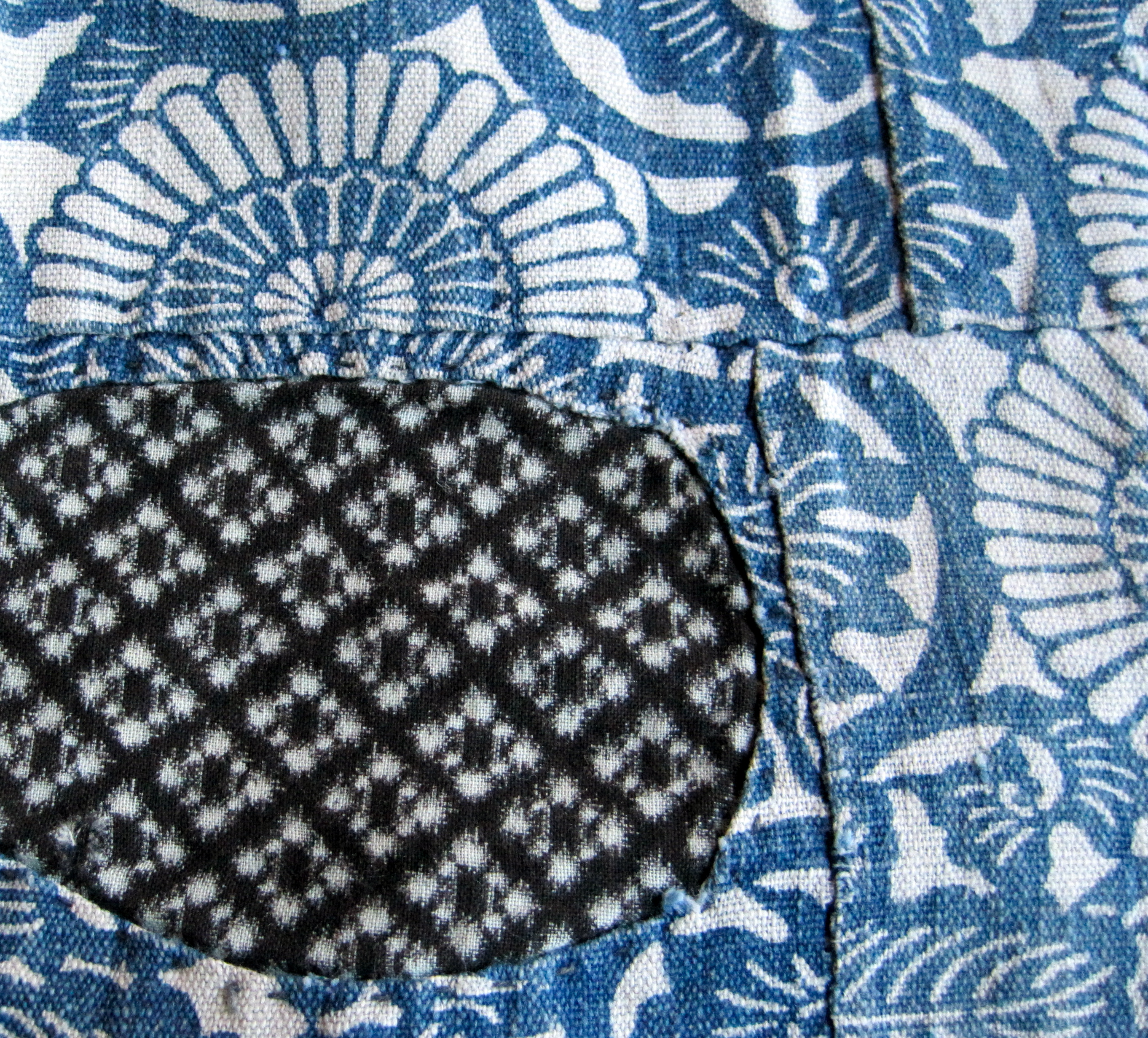
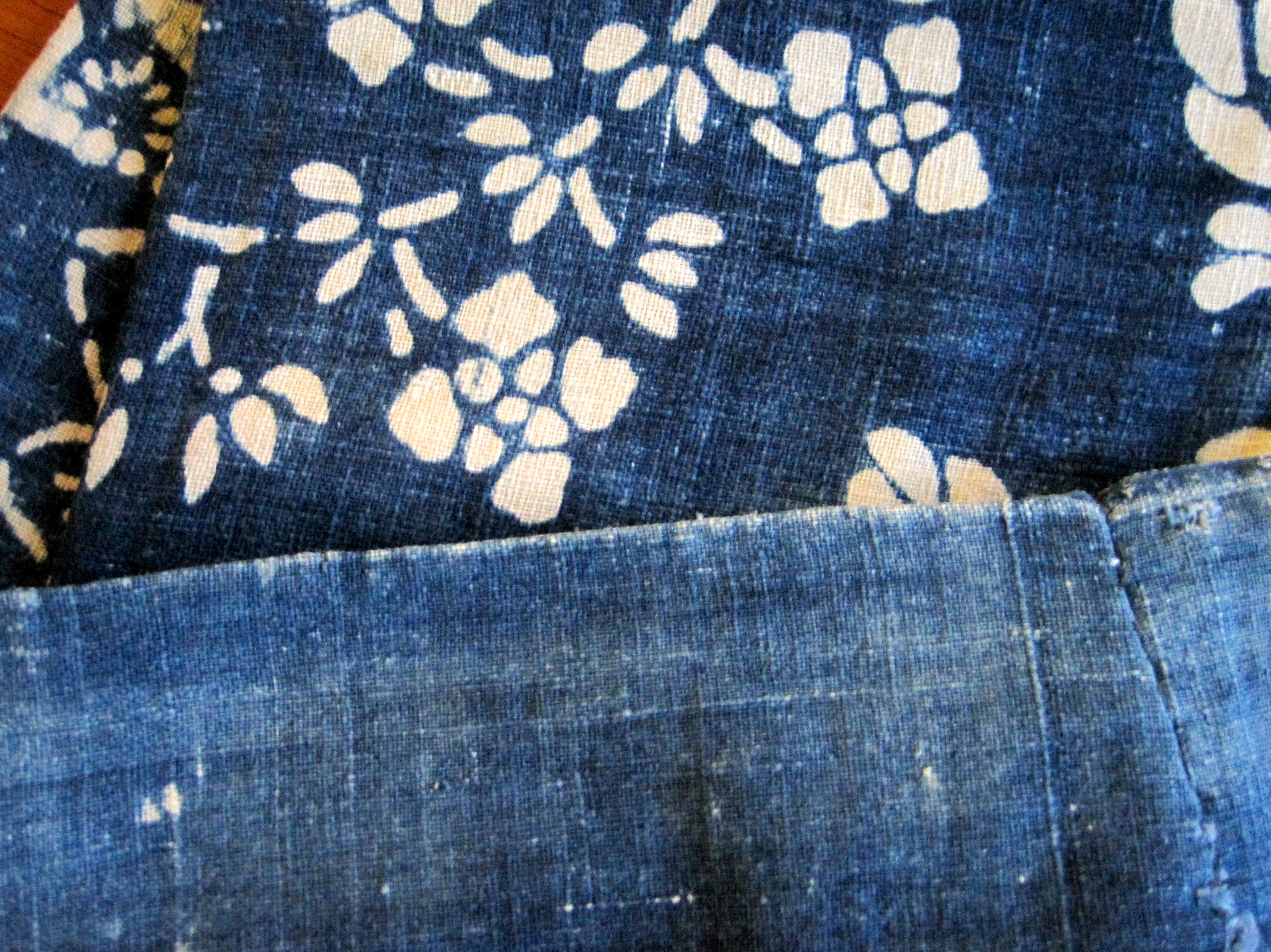
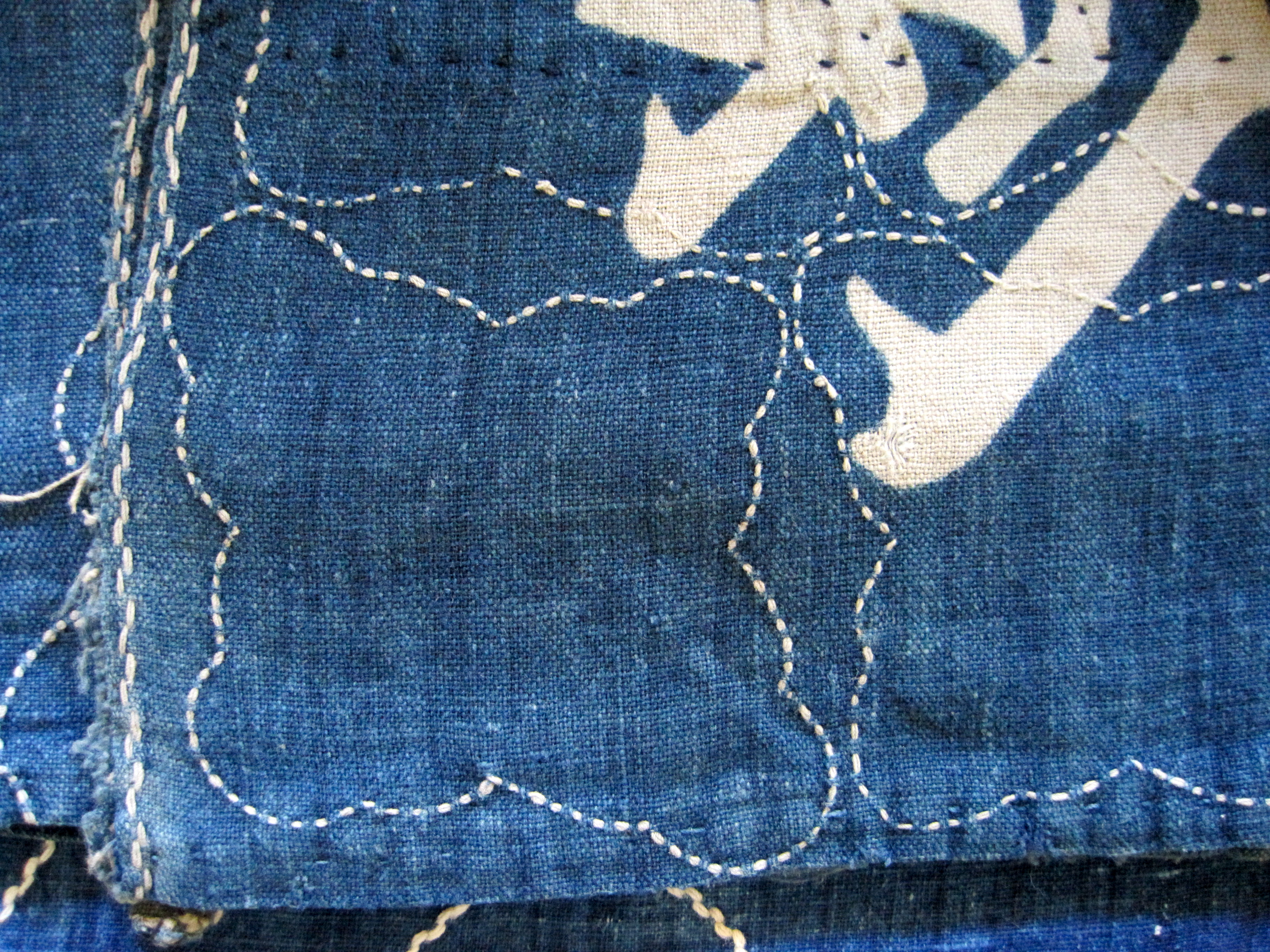
At first glance these patches seem ordinary. The first is a patch of small sashiko stitches and the second a normal enough blue patch with haphazard stitching holding the two pieces of fabric together. When you turn the piece over it reveals two beautiful patches made from beautiful Edo period katazome.IMG_2432

This patch is decorated with an amazing fern design often seen in late Edo and early Meiji tsutsugaki and katazome fabrics.  IMG_2434

The next patch has a beautiful double design of black leaves and branches on an indigo ground, as well as, resist dyed cherry or plum trees with stylized blossoms. I can’t even begin to understand the process of dying something like this.IMG_2433IMG_2439

I think these patches elevate this beautiful Edo period katazome, and I am in complete reverence of the masterful hands that created these fabrics so many years ago.

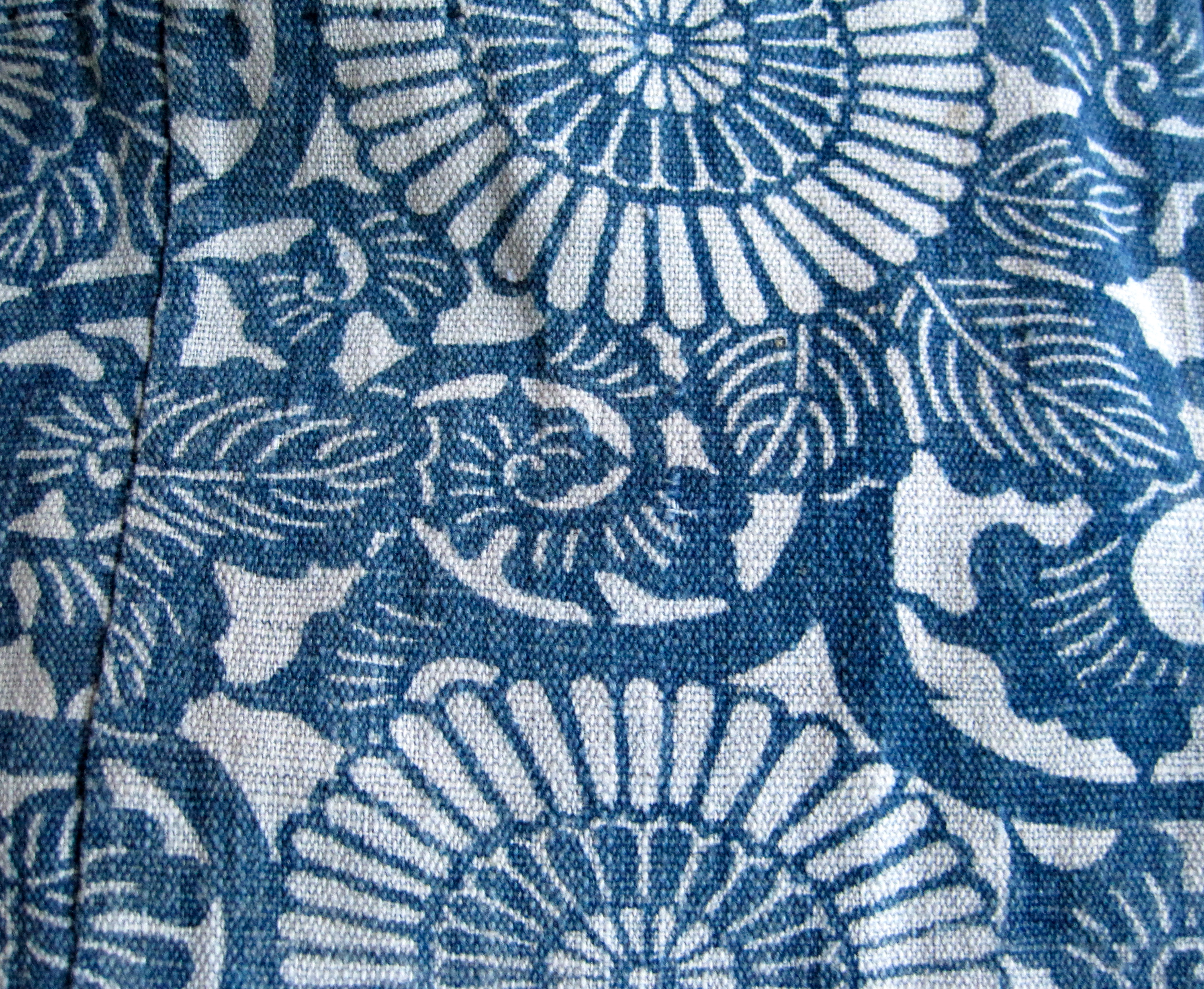
Early Meiji katazome

IMG_2403

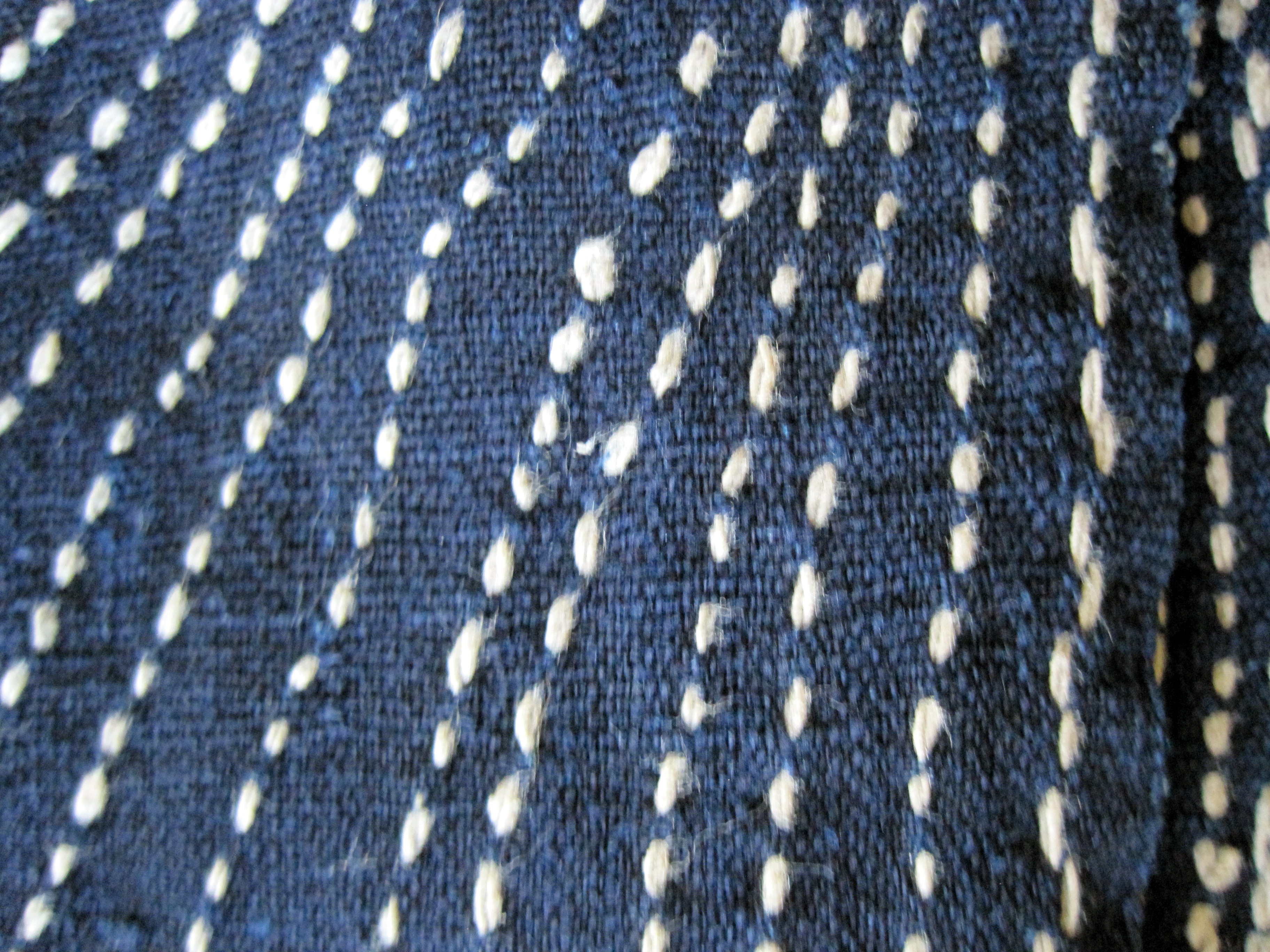
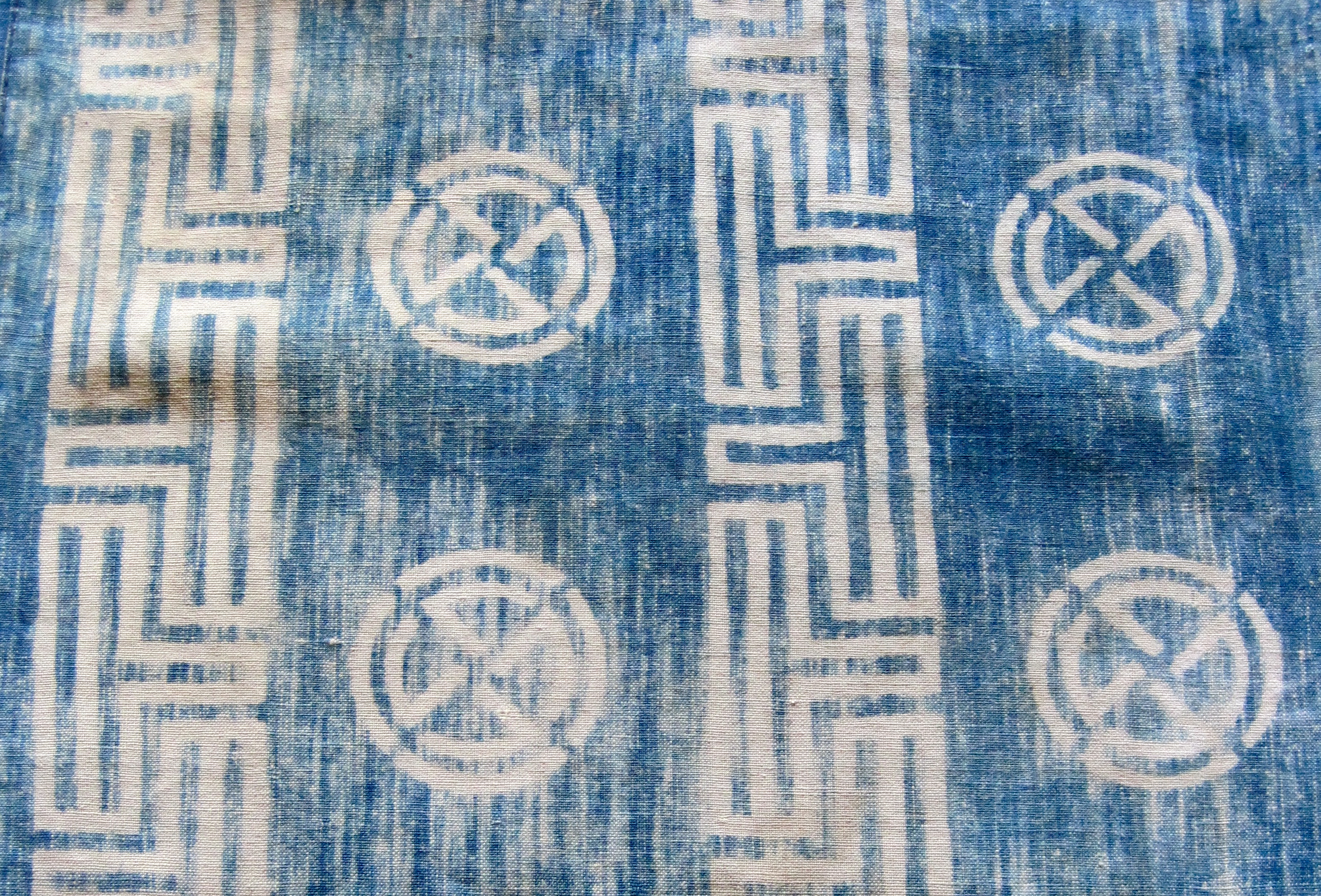
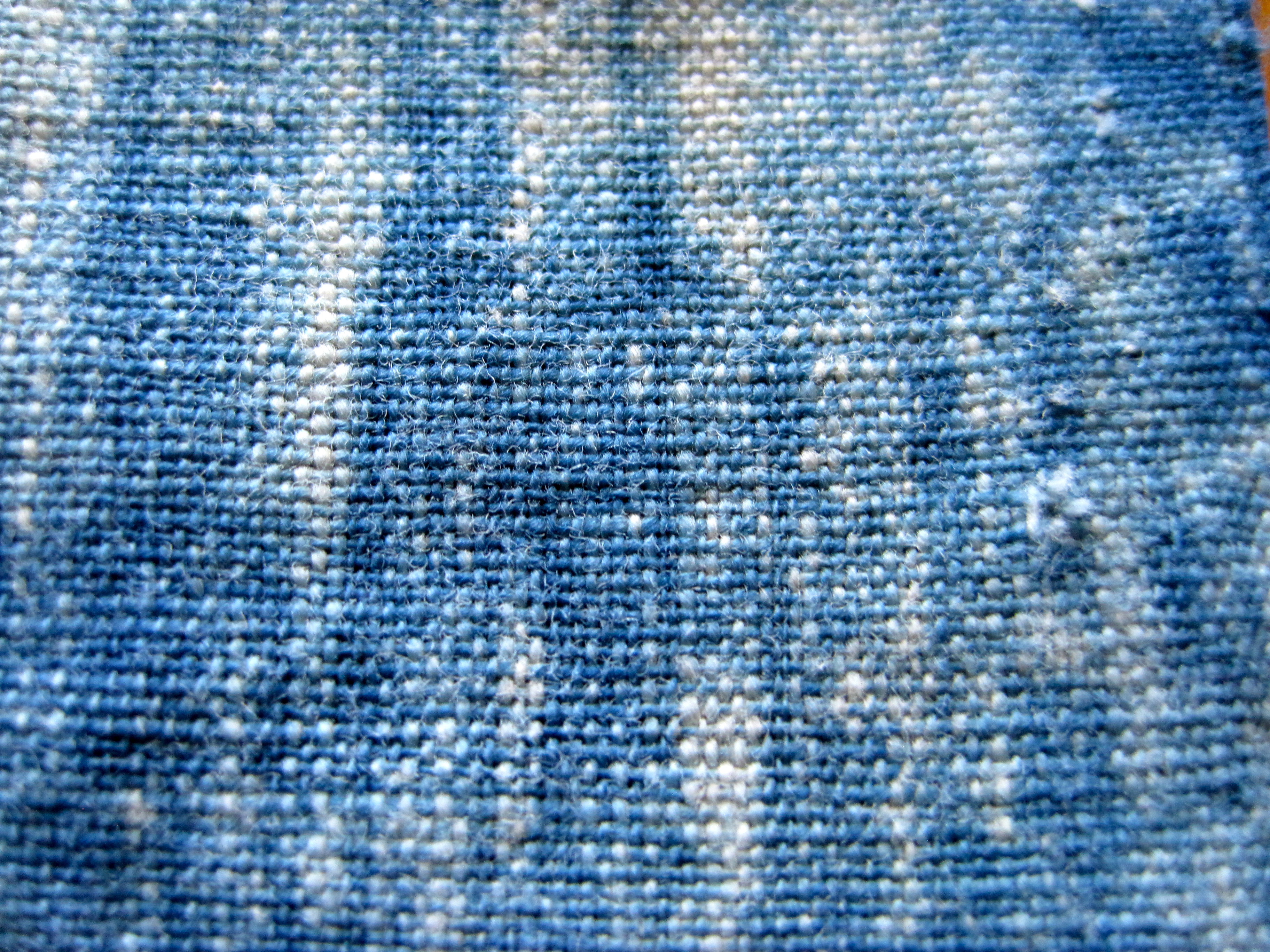
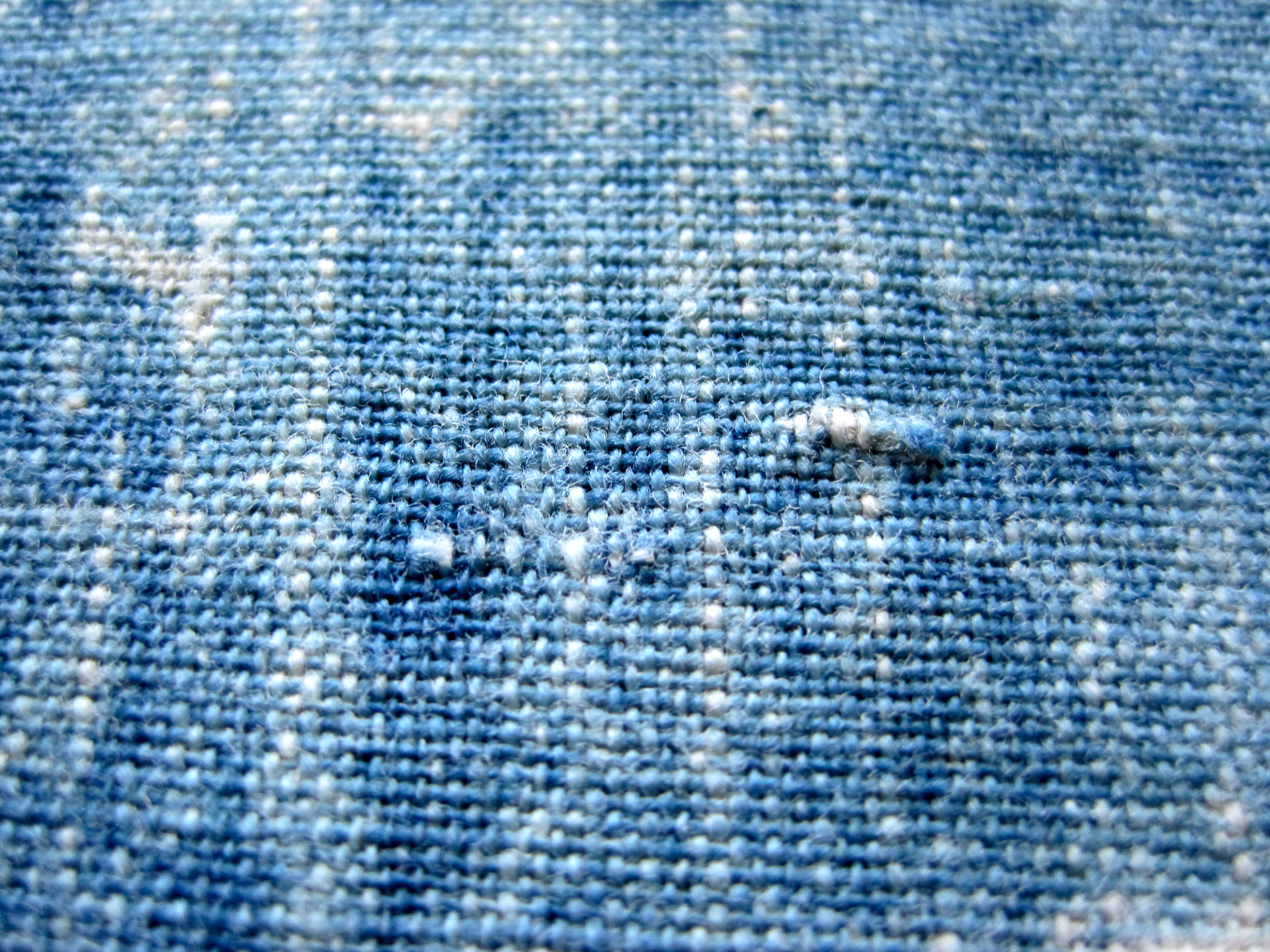
This early Meiji period katazome is made of indigo dyed cotton that has been hand spun and hand woven. The fabric is thick and has been worn soft by years of use. This piece was probably the top of a futonji and has been pieced together from 15 small pieces of the same fabric. It has also been mended with several large patches. IMG_2404IMG_2406IMG_2407IMG_2405

This last photo shows the irregular hand spun threads that produce a fabric with such amazing weight and texture.

Antique Miao blankets

IMG_2368

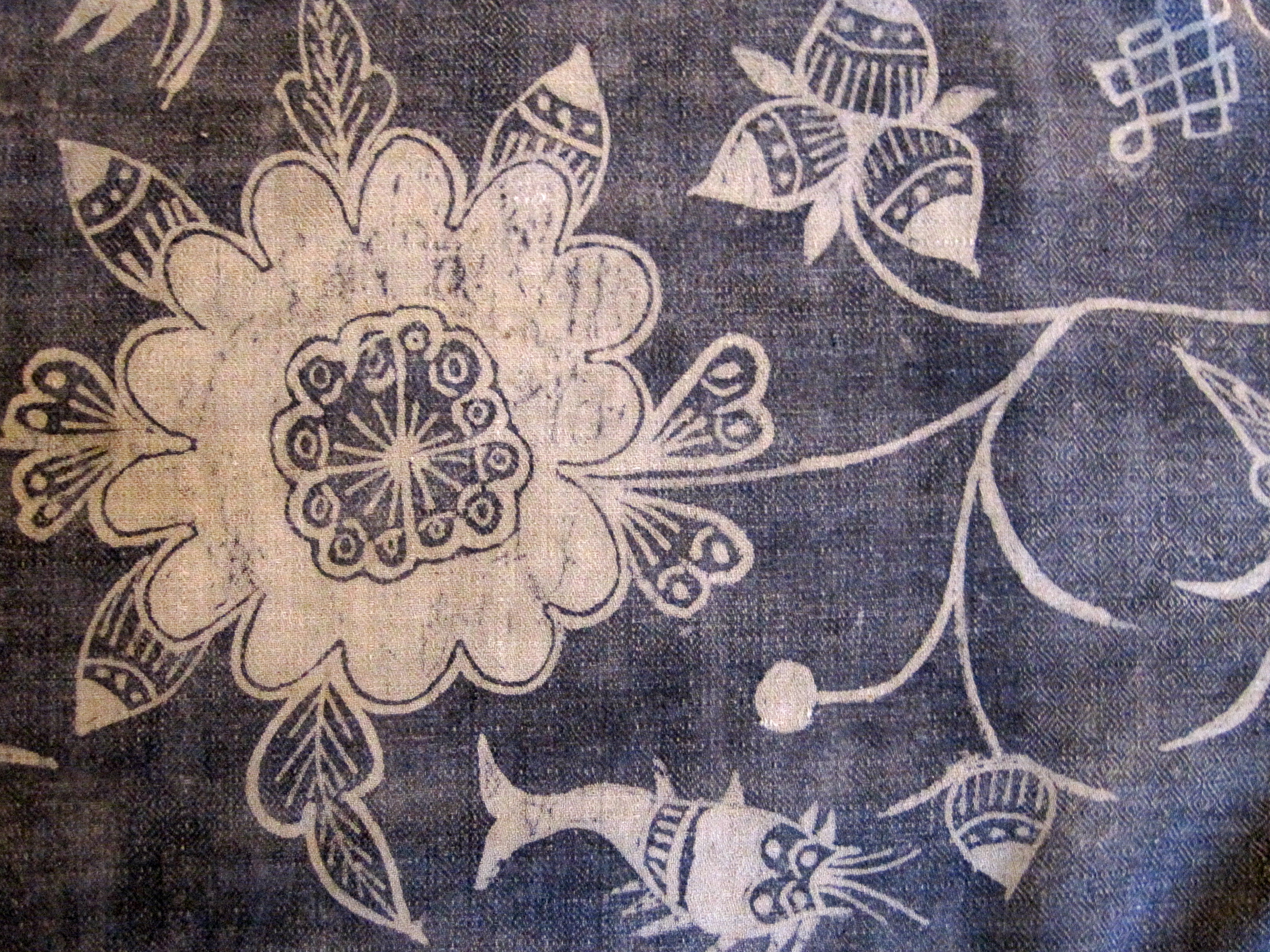
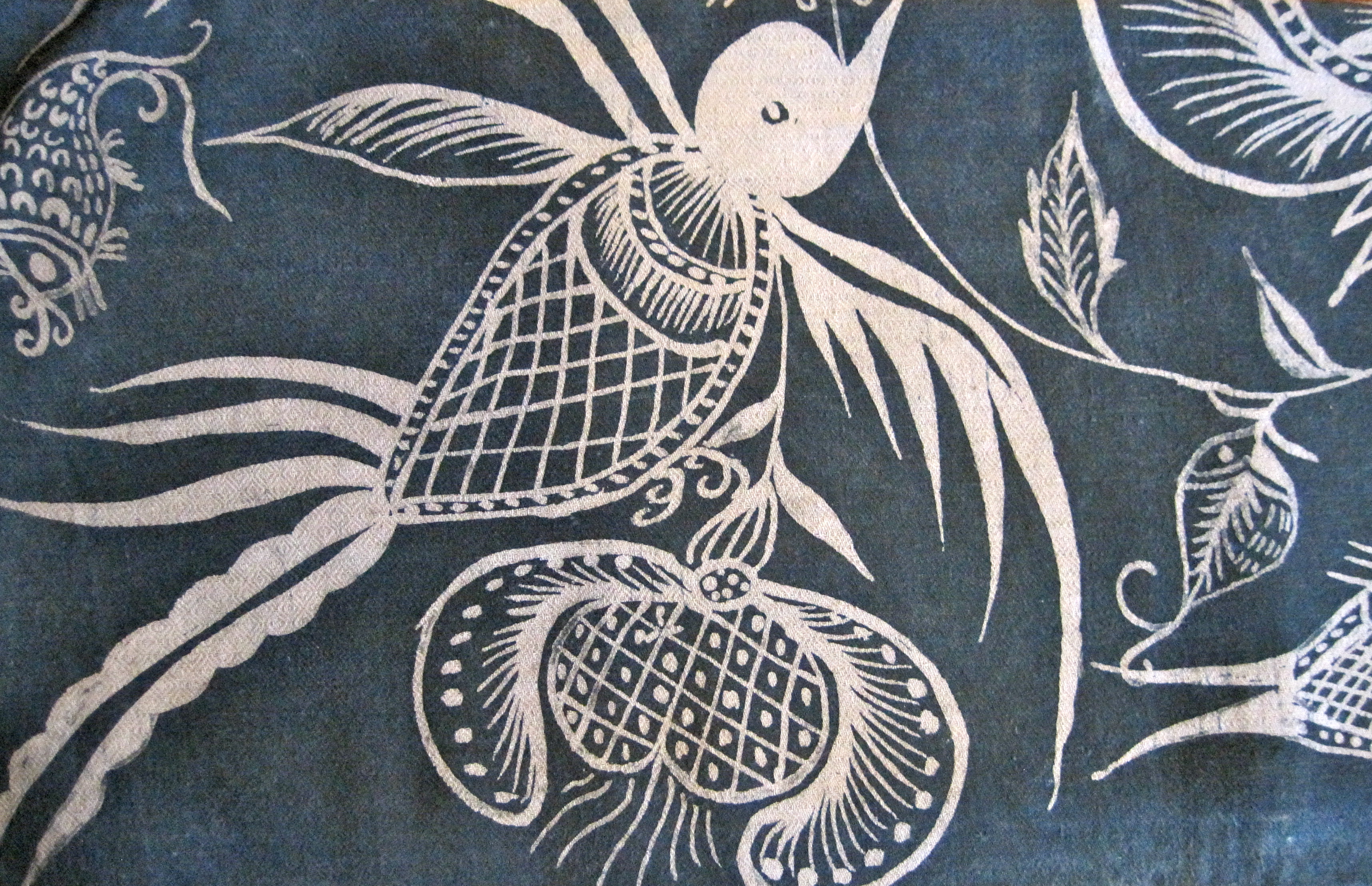
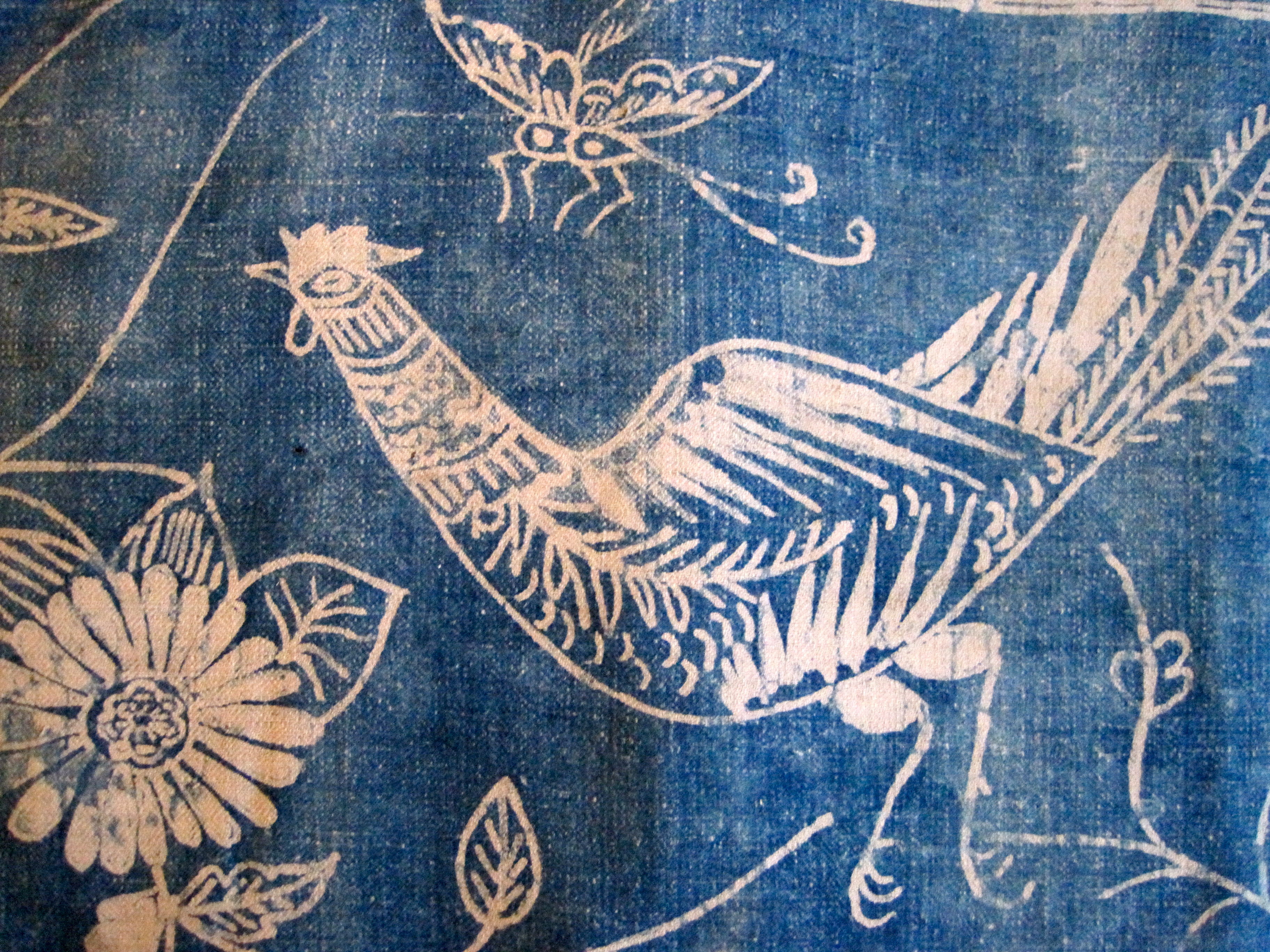
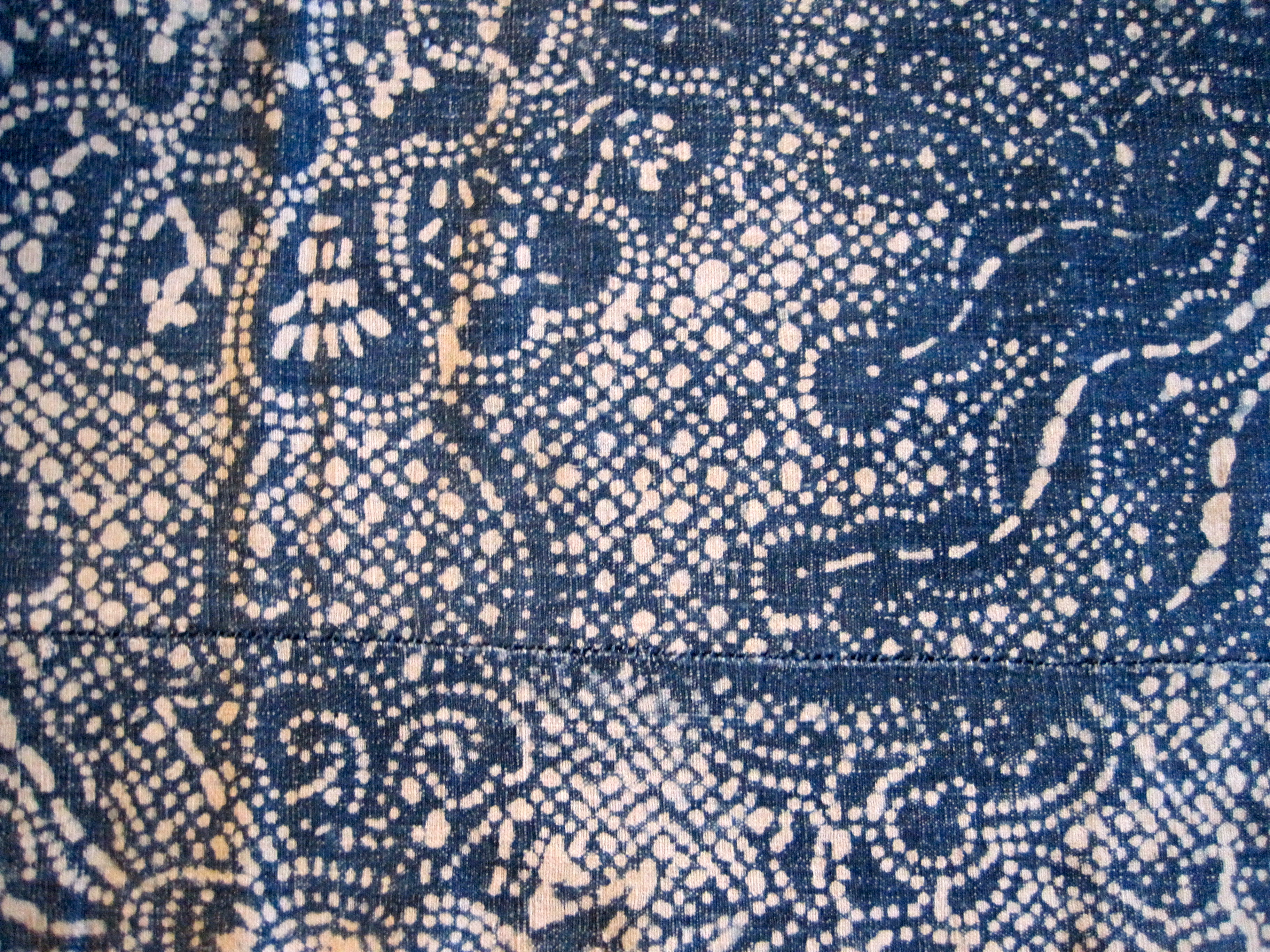
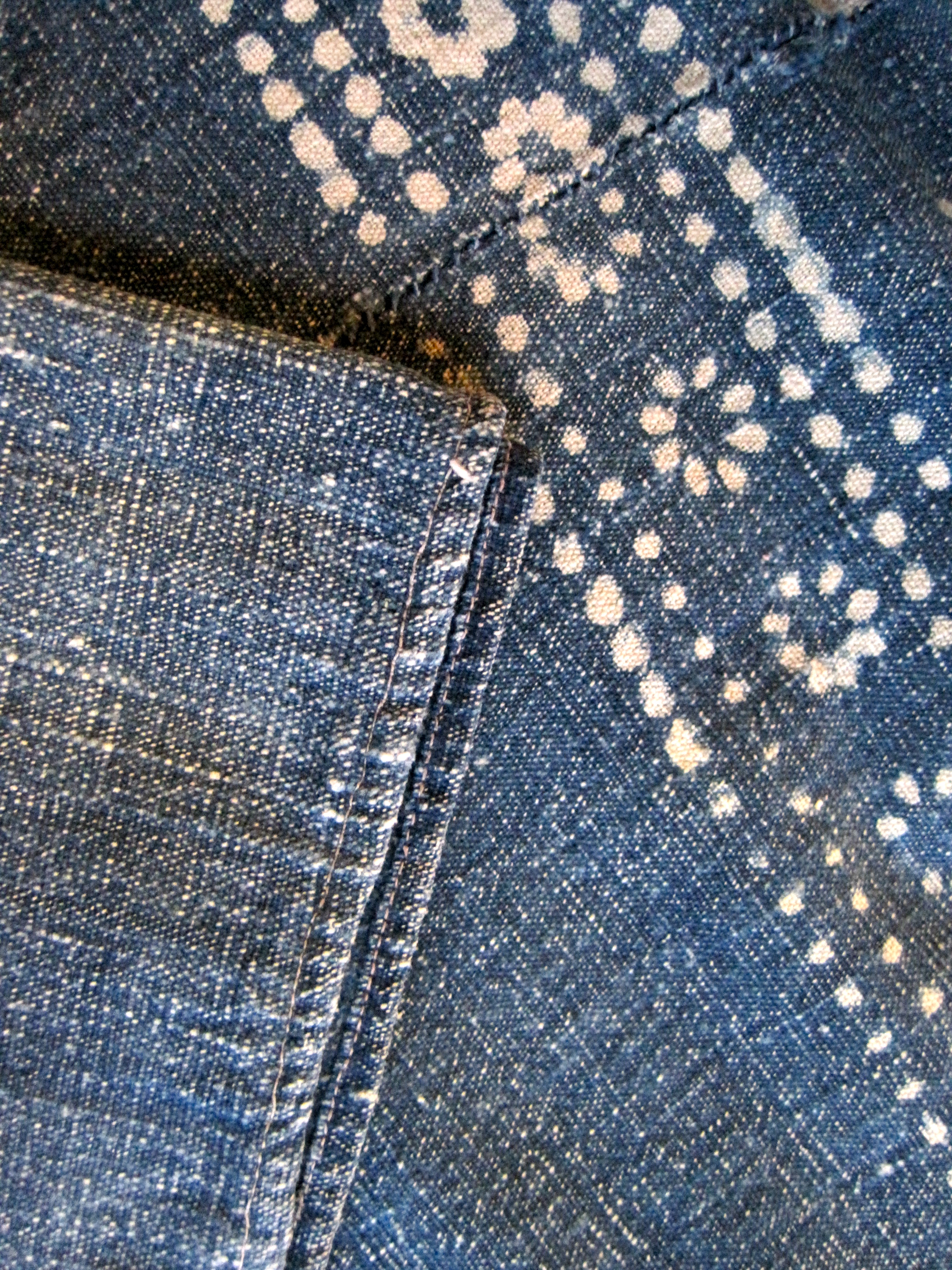
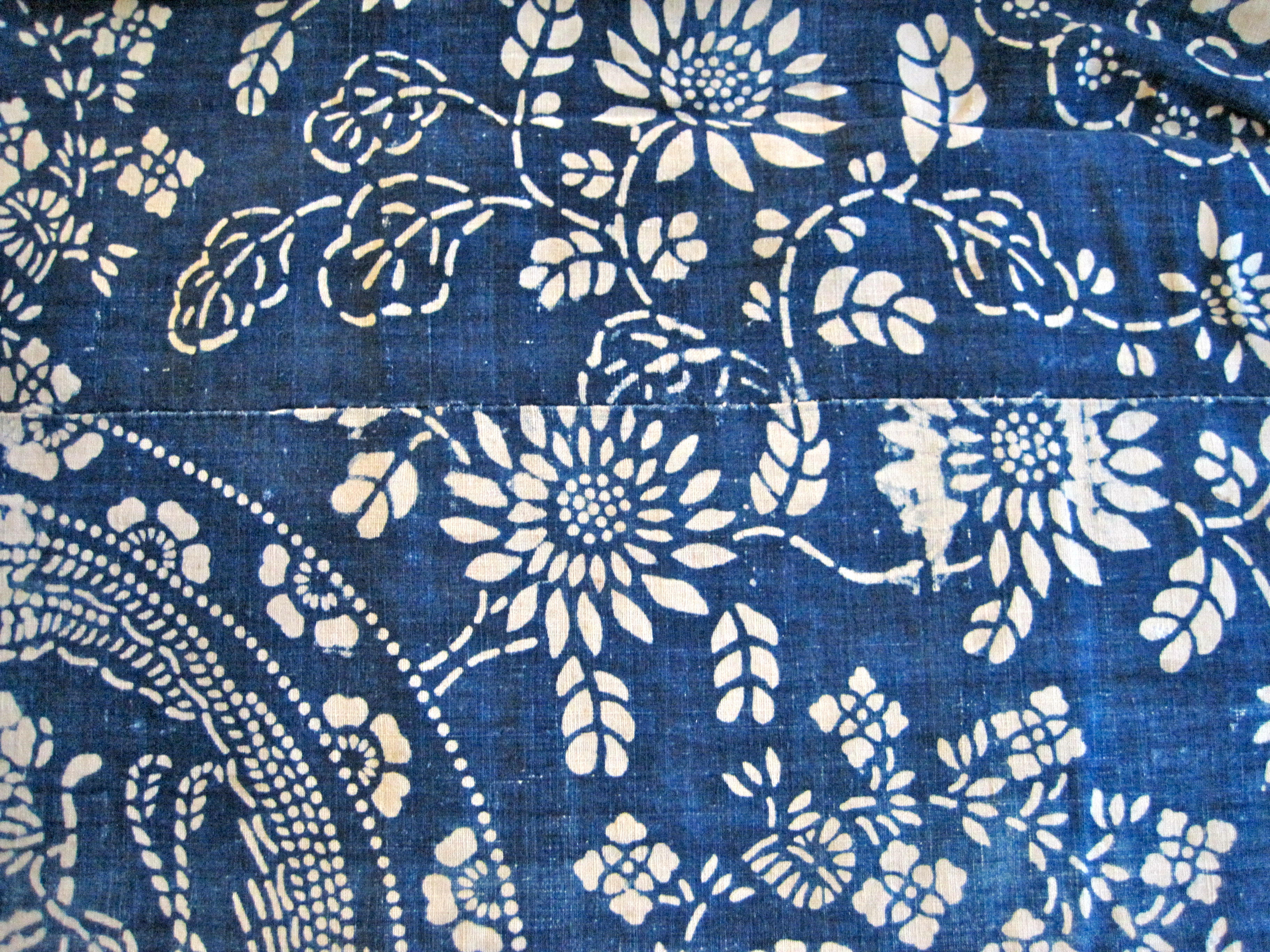
These images come from six antique Miao blankets. all of the blankets are cotton and they have all been dyed using indigo.  Freehand drawing and stencil methods of resist dying have been employed to create the designs on these blankets. two different weaving patterns have been used to create the cotton base fabrics. The two older blankets are woven with a plain weave and the four remaining have a diamond pattern that is traditional to the Miao of Guizhou provience, China. IMG_2370IMG_2367IMG_2369IMG_2371IMG_2372IMG_2373IMG_2374IMG_2375IMG_2376IMG_2378
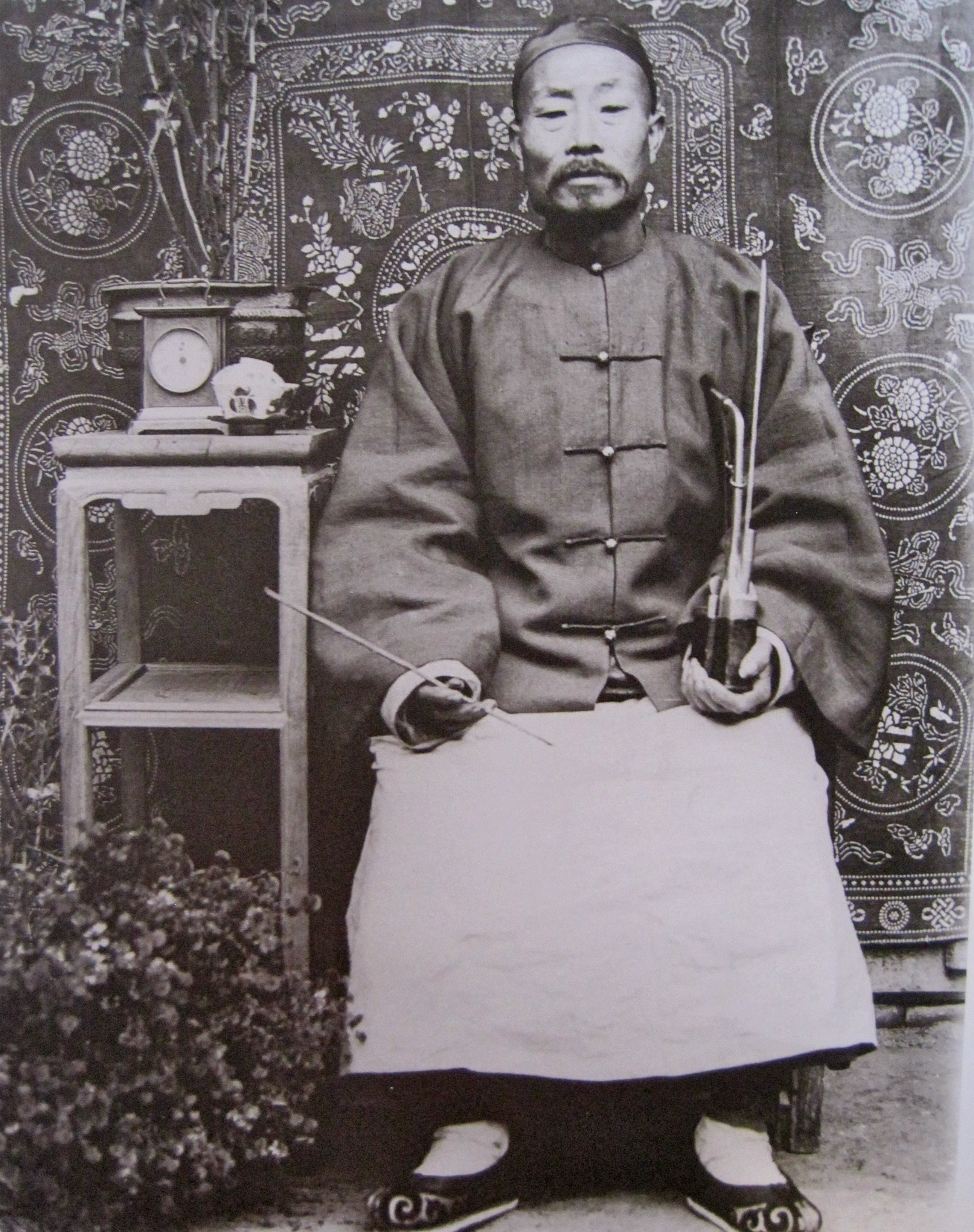
This photo comes from a book titled Lost China. The blanket hanging behind the man in the photo is simular in construction, narrow strips of fabric, and in the use of stencil resist designs to the older blankets shown above.

Crane furoshiki

IMG_2355

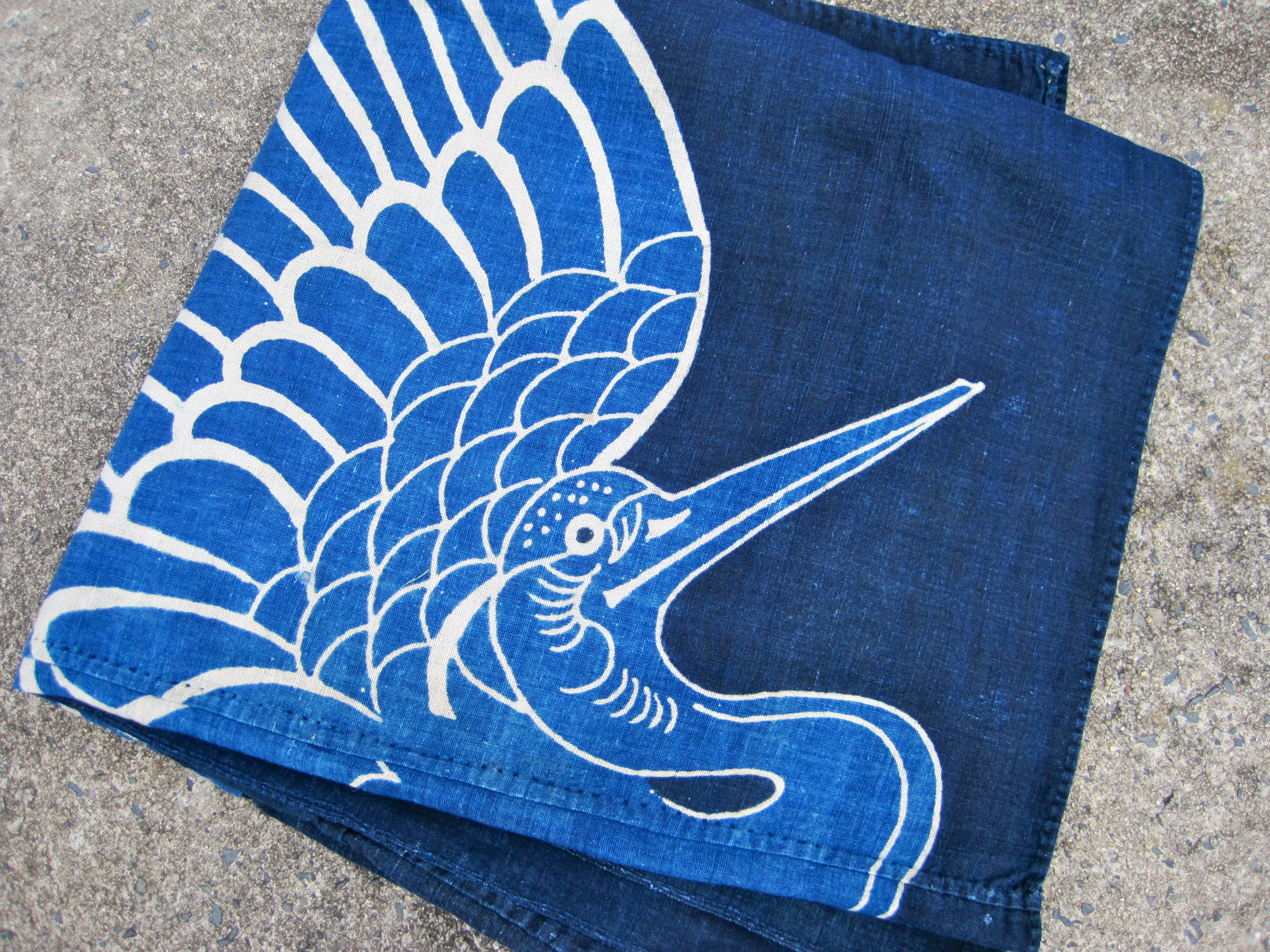
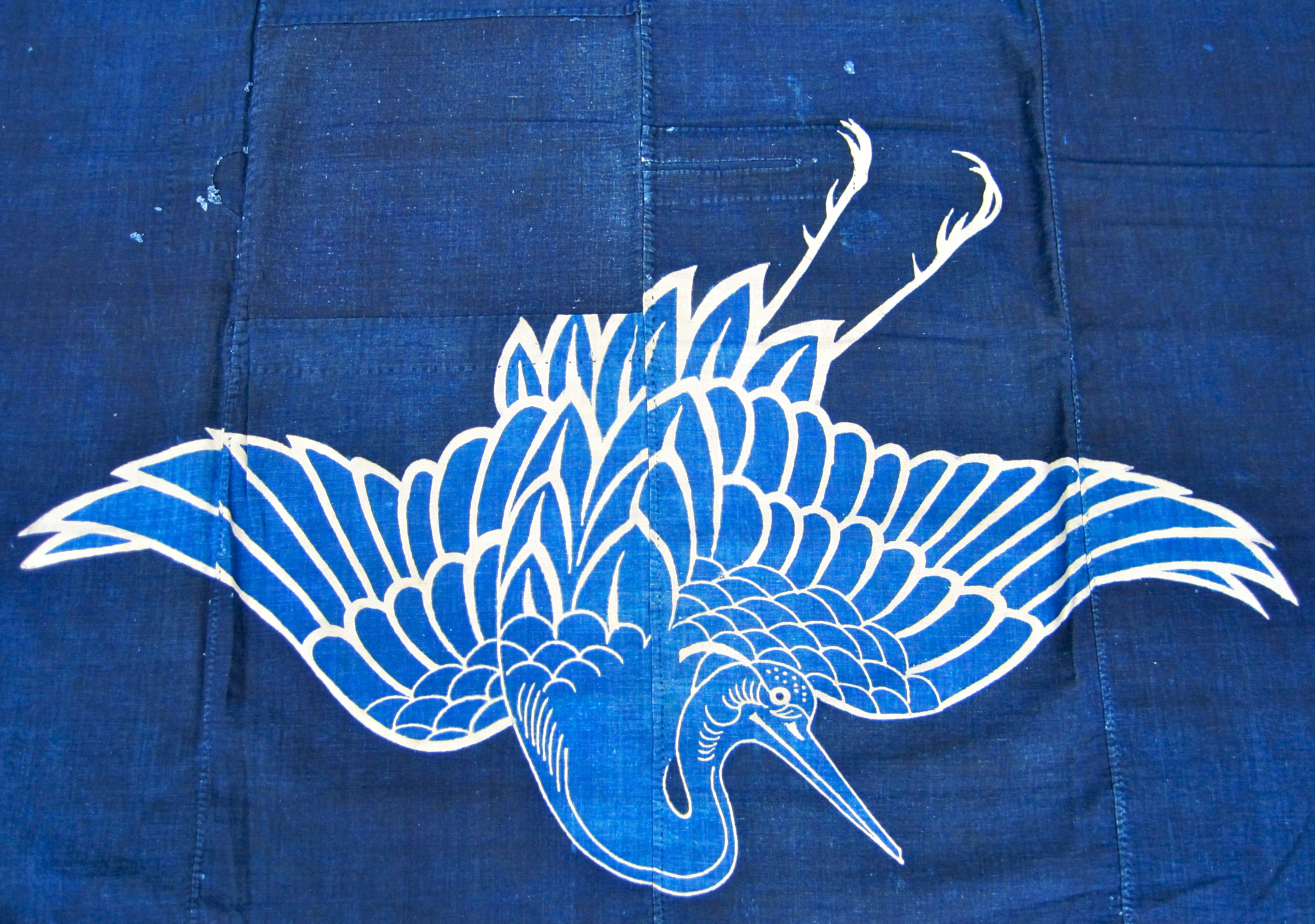
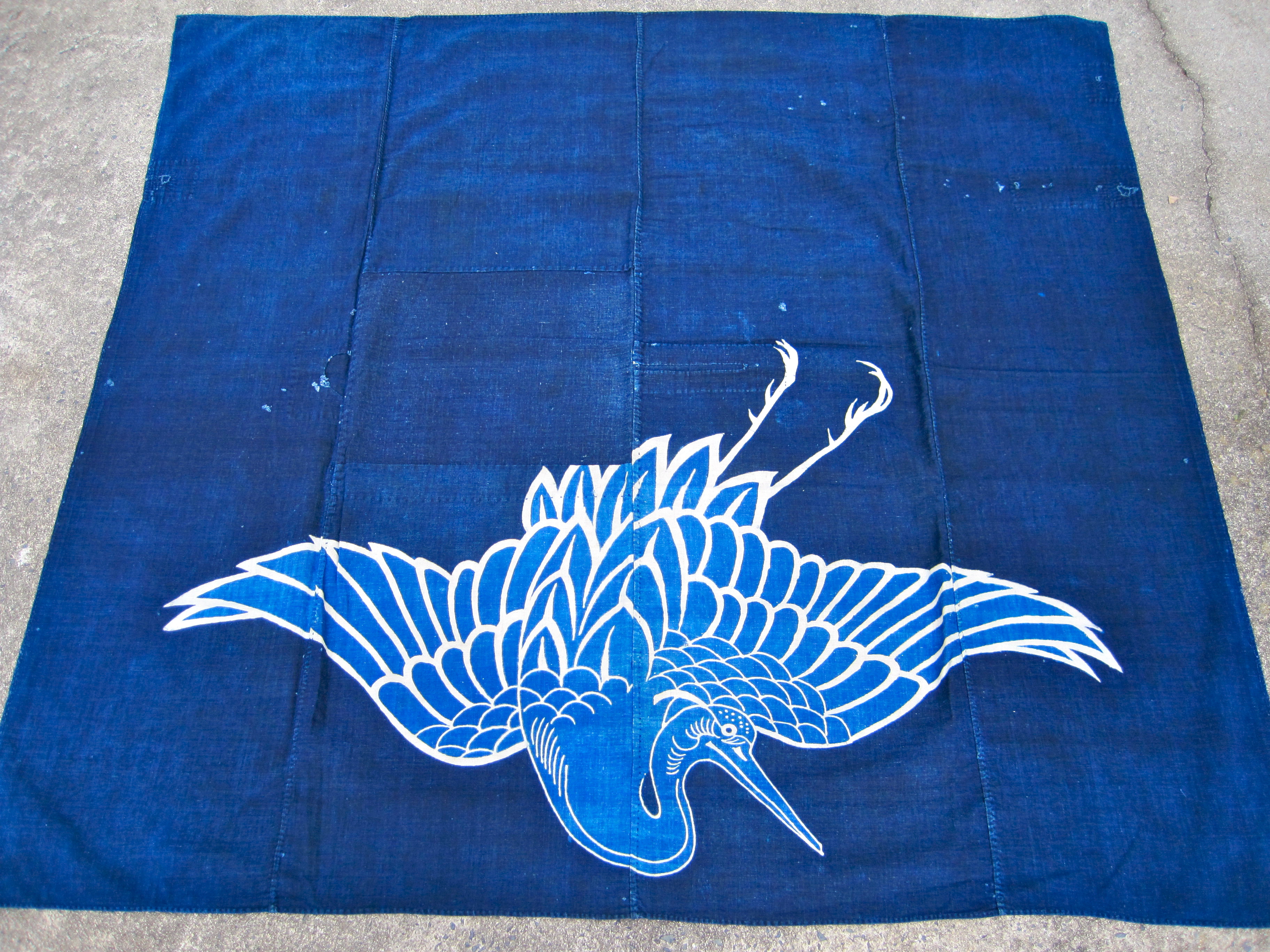
This furoshiki or “carrying cloth” dates to the Meiji period and was made from hand spun and hand woven cotton fabric. The crane was expertly dyed using natural indigo. This type of decoration is known as tsutsugaki it was created by a dyer who used a paper cone or “tsutsu”. The tsutsu was used to apply a mixture of ground rice bran, rice flour, salt, and water onto the fabric to create a resist. This resist was washed away after dying to reveal the design. It must have taken several applications of rice paste and many dips in the indigo dye bath to create the colors in this furoshiki. IMG_2350IMG_2349IMG_2353
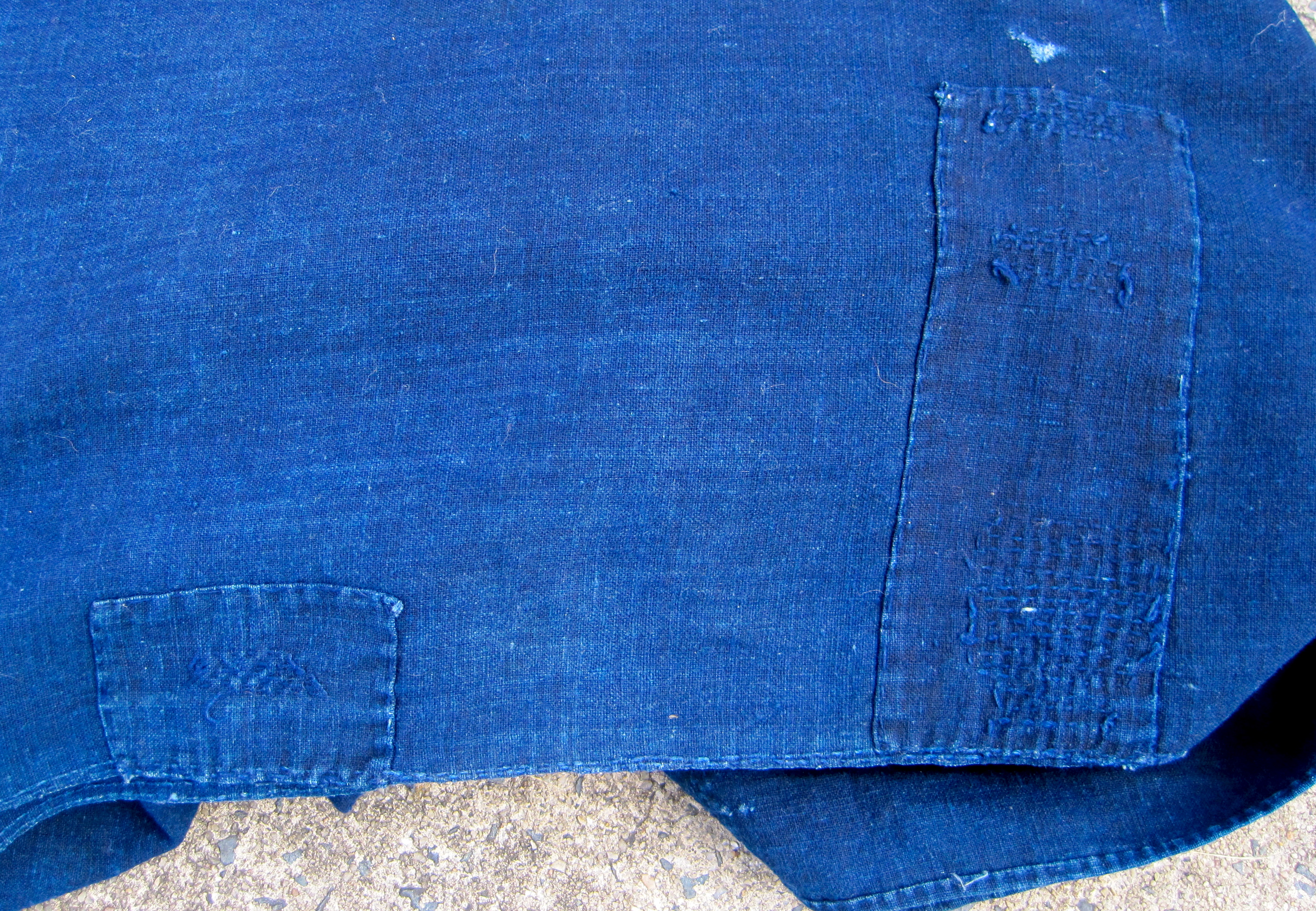
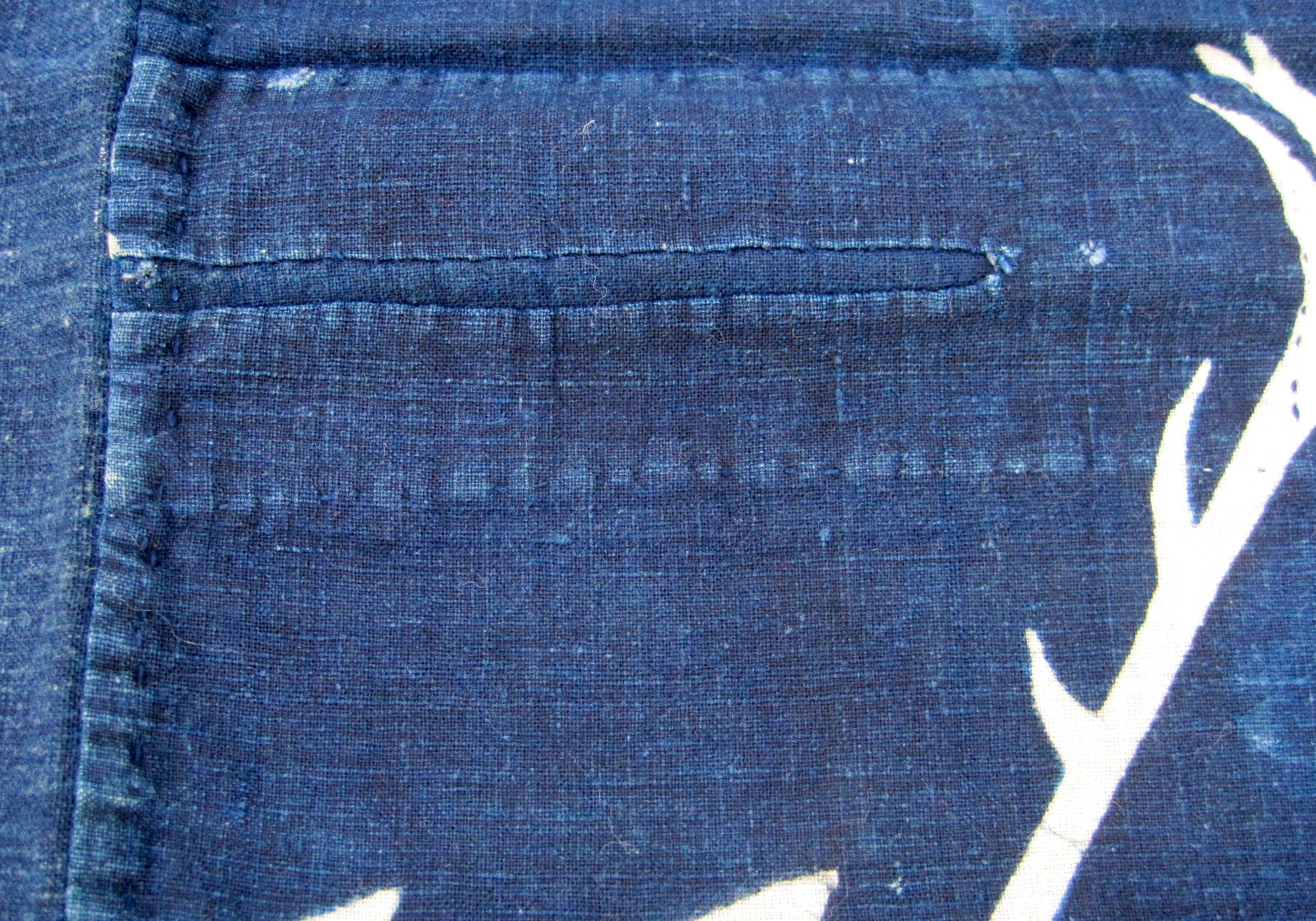
This furoshiki may have started its life as a futonji or “padded futon cover”. The symbolism of the crane was one often used on items made to be given to a bride and groom as a wedding gift. It has several large repairs that attest its use over the years. The repairs have all been mended using hand spun and hand woven cotton. The large patch in the middle of the furoshiki is made of very thick course homespun. IMG_2354IMG_2351

Sashiko

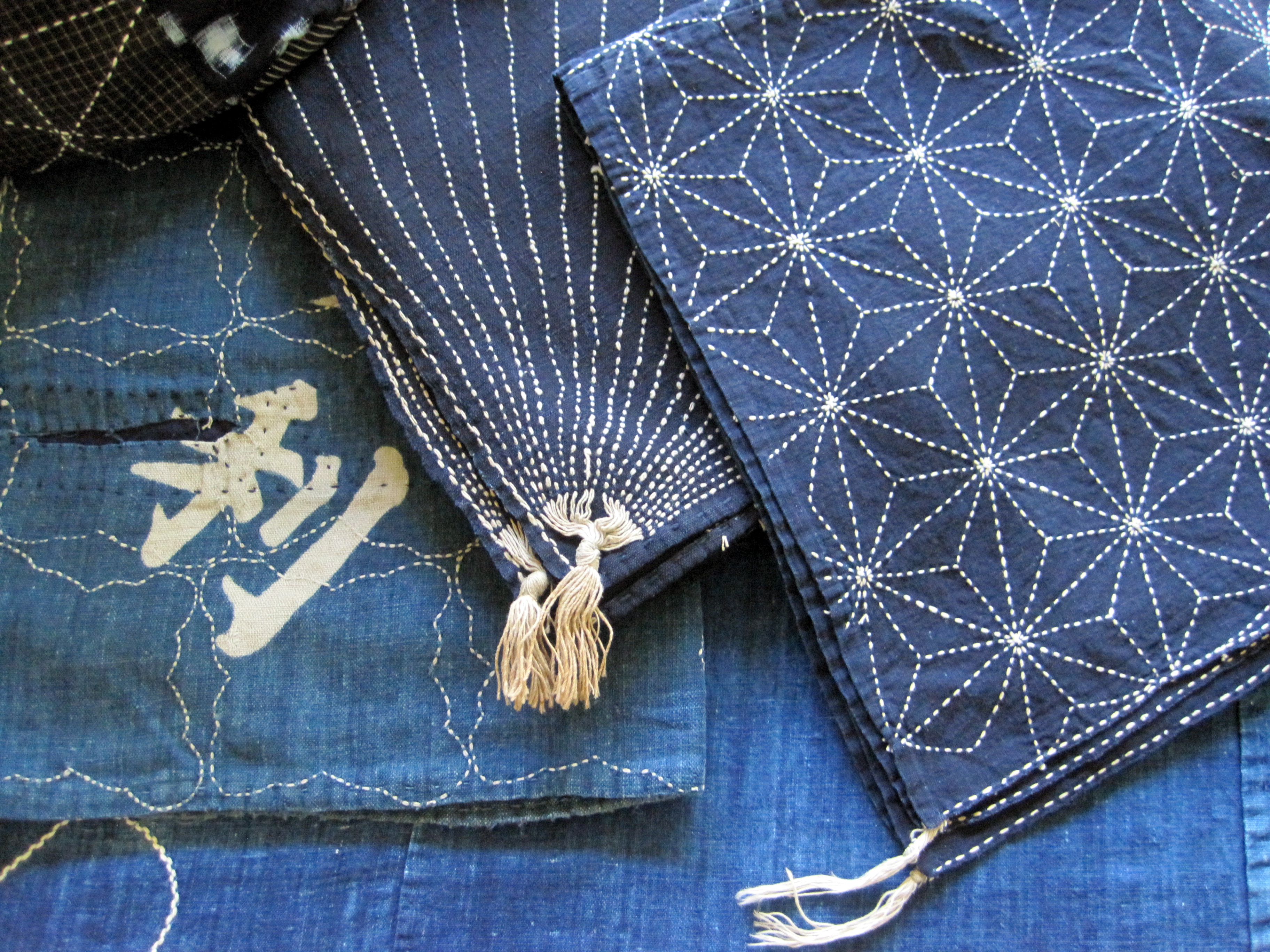
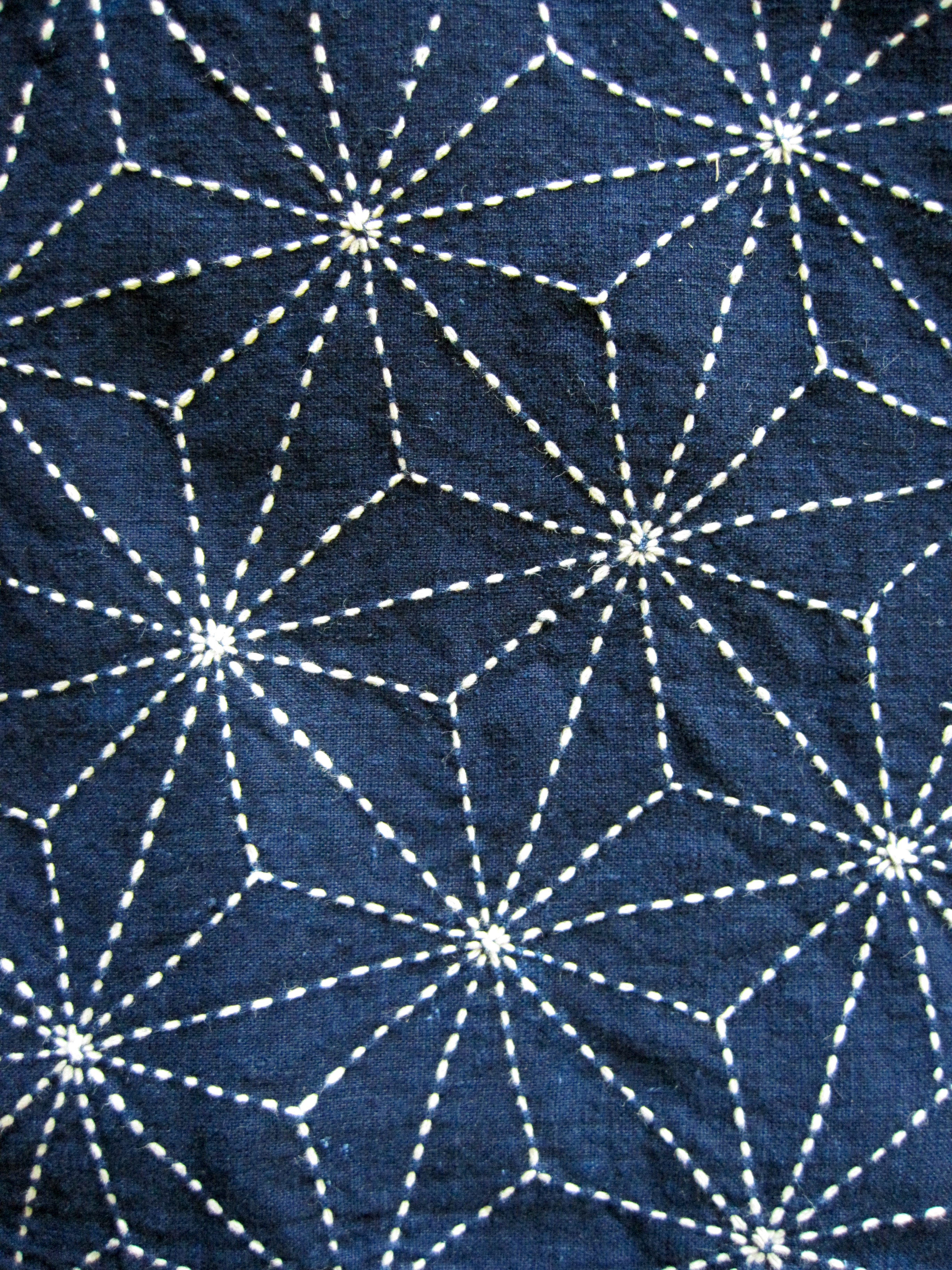
Sashiko is a form of traditional Japanese embroidery originally used to reinforce garments and as a means of repair. In the northern regions of Japan garments were made stronger and warmer by layering cloth and stitching the layers together with long running stitches. This embroidery served a utilitarian purpose but also became a way to add decorative patterns and interest to garments and carrying cloths. IMG_2303 IMG_2304 IMG_2305 IMG_2306

Three of these sashiko furoshiki were created from hand spun and handwoven cotton which has been dyed with natural indigo. the forth furoshiki with the star pattern is made from hand dyed commercially produced cotton. 

Vintage Handmade Chinese Cotton Fabric

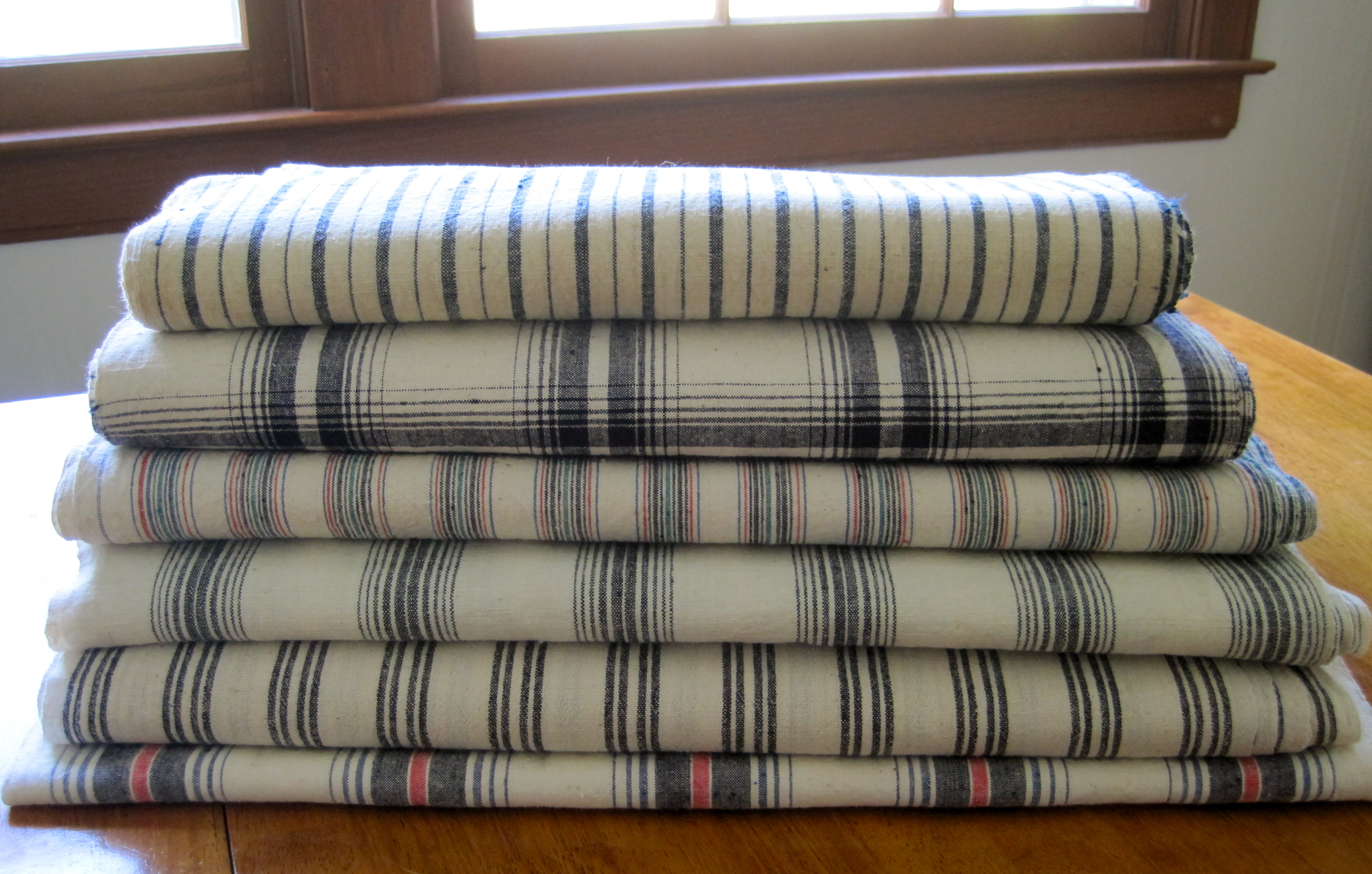
Here is my collection of hand spun and hand woven Chinese fabrics from the Chongming Islands near Shanghai at the mouth of the Yangtze river. In the past it was the custom on these Islands to present newlyweds with handmade fabric in honor of their weddings. much of this fabric was never used instead it was stored and treasured by the couple. This fabric has a beautiful texture due to the hand spun threads. IMG_2257 IMG_2258

The width of the fabric varies between thirteen and nineteen inches. This width is a good indicator that these fabrics were woven on a small hand loom. Much of the fabric has small bits of organic material from the cotton plants that show up on the fabric as small tan dots. I love these fabrics. Some of them can be purchased at my shop: https://www.etsy.com/shop/luckyredbat

Katazome obi

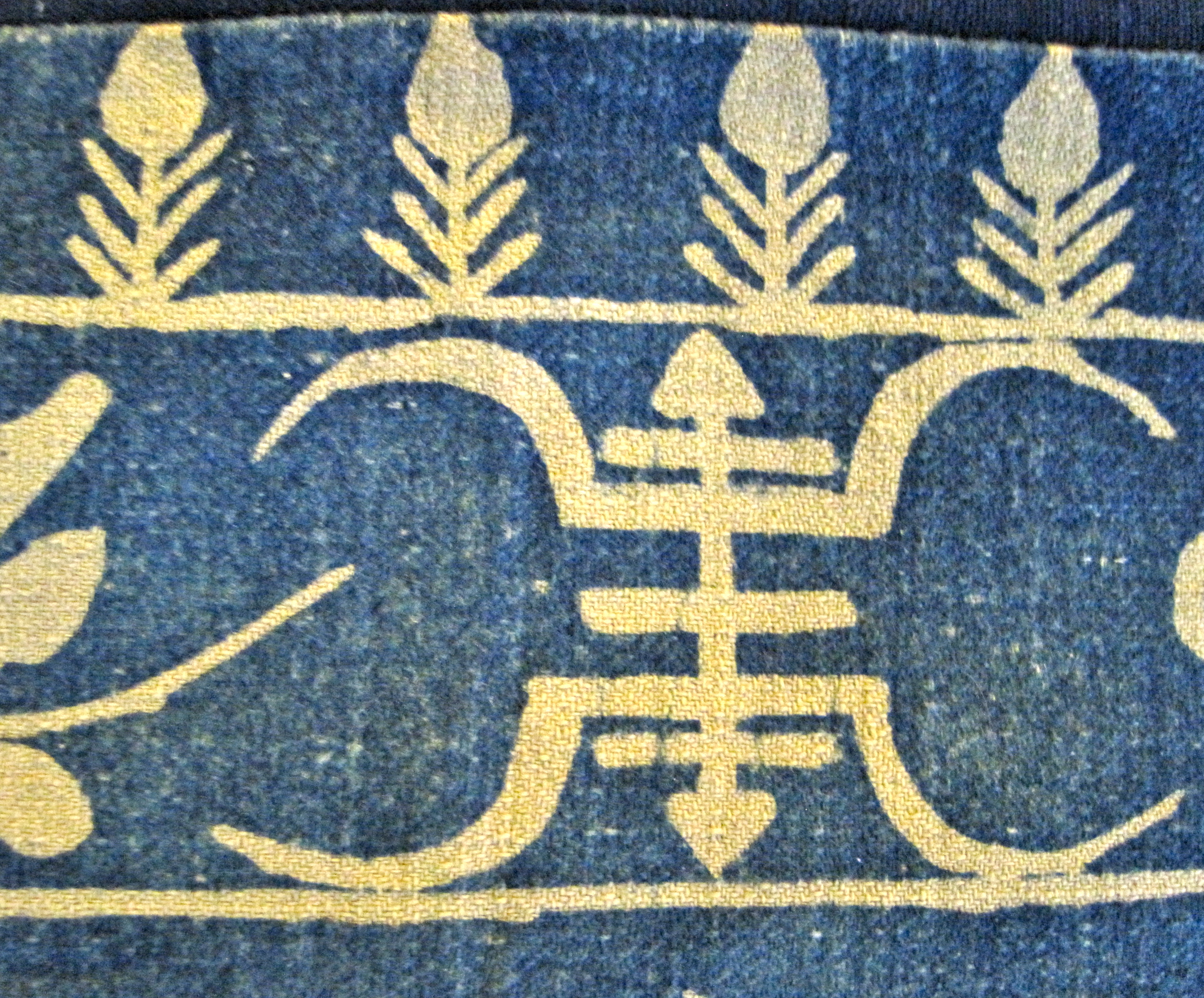
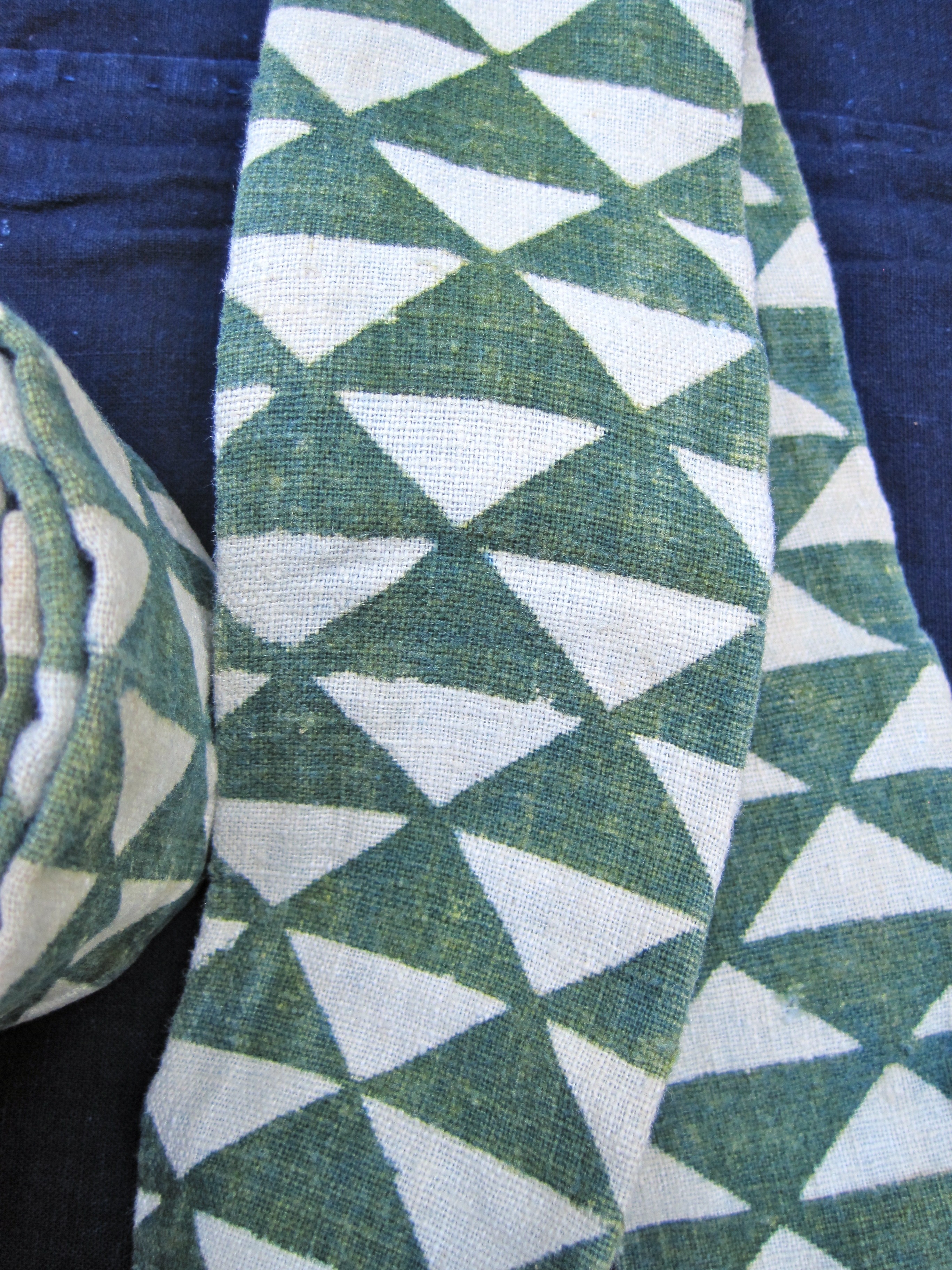
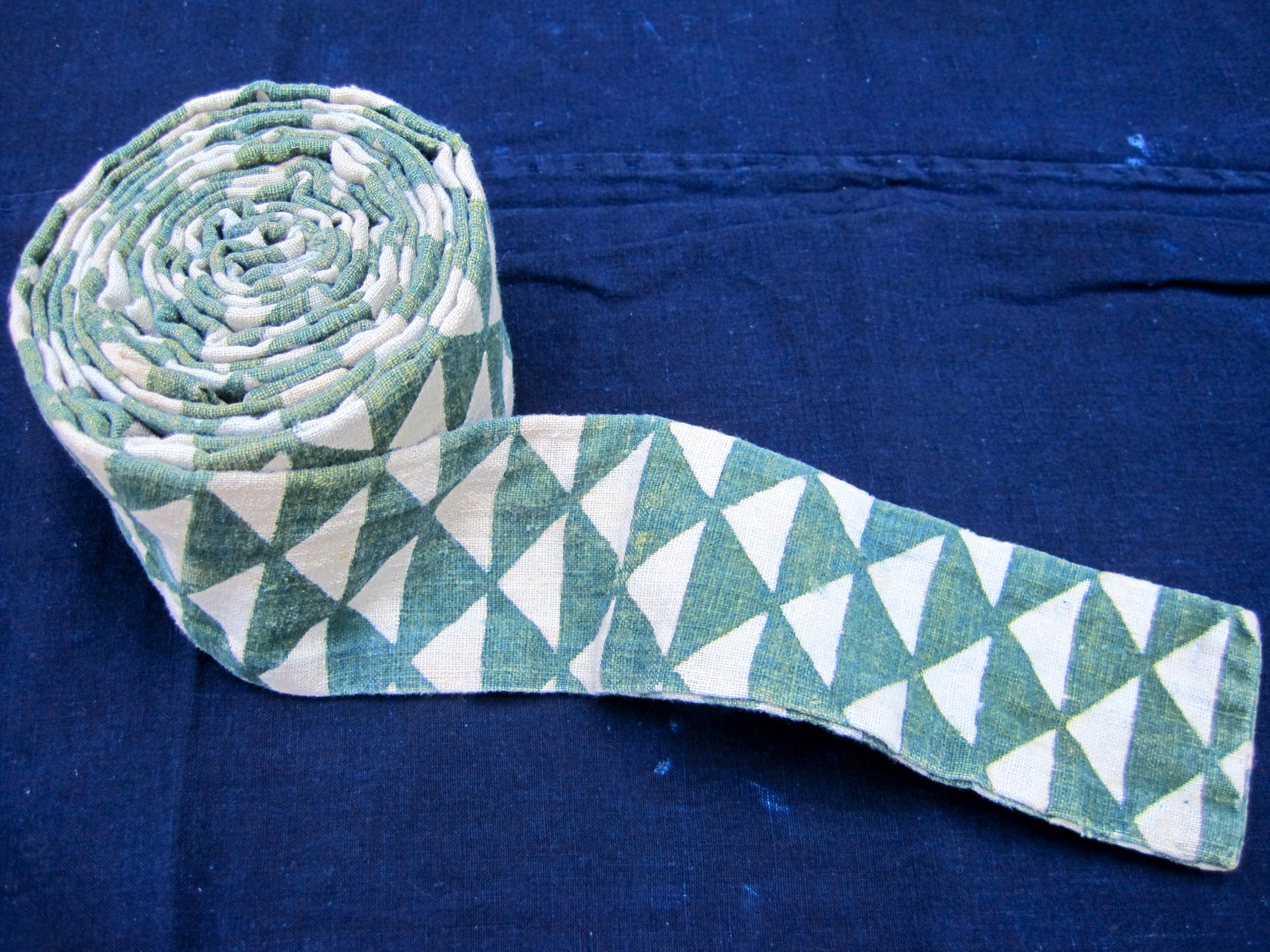
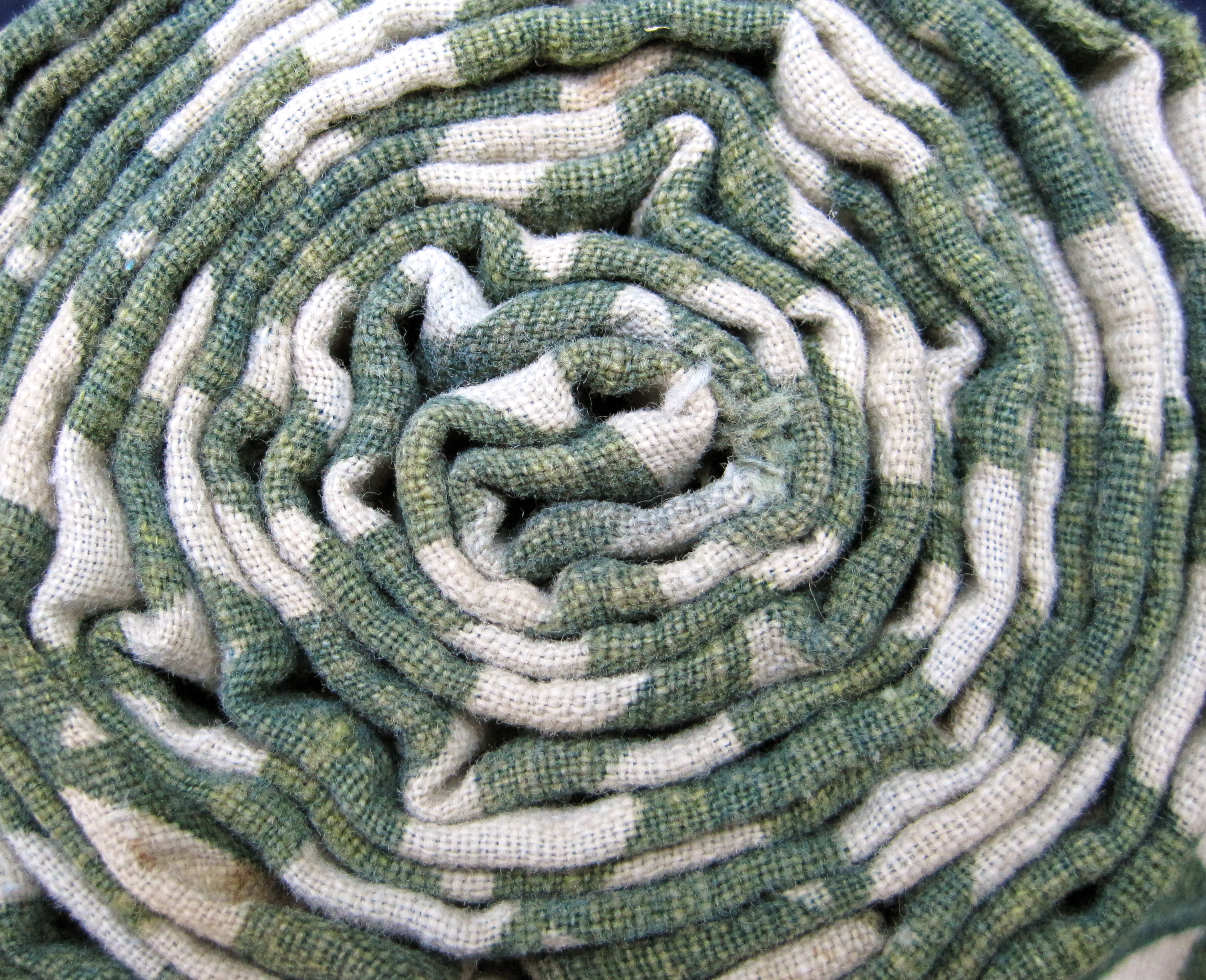
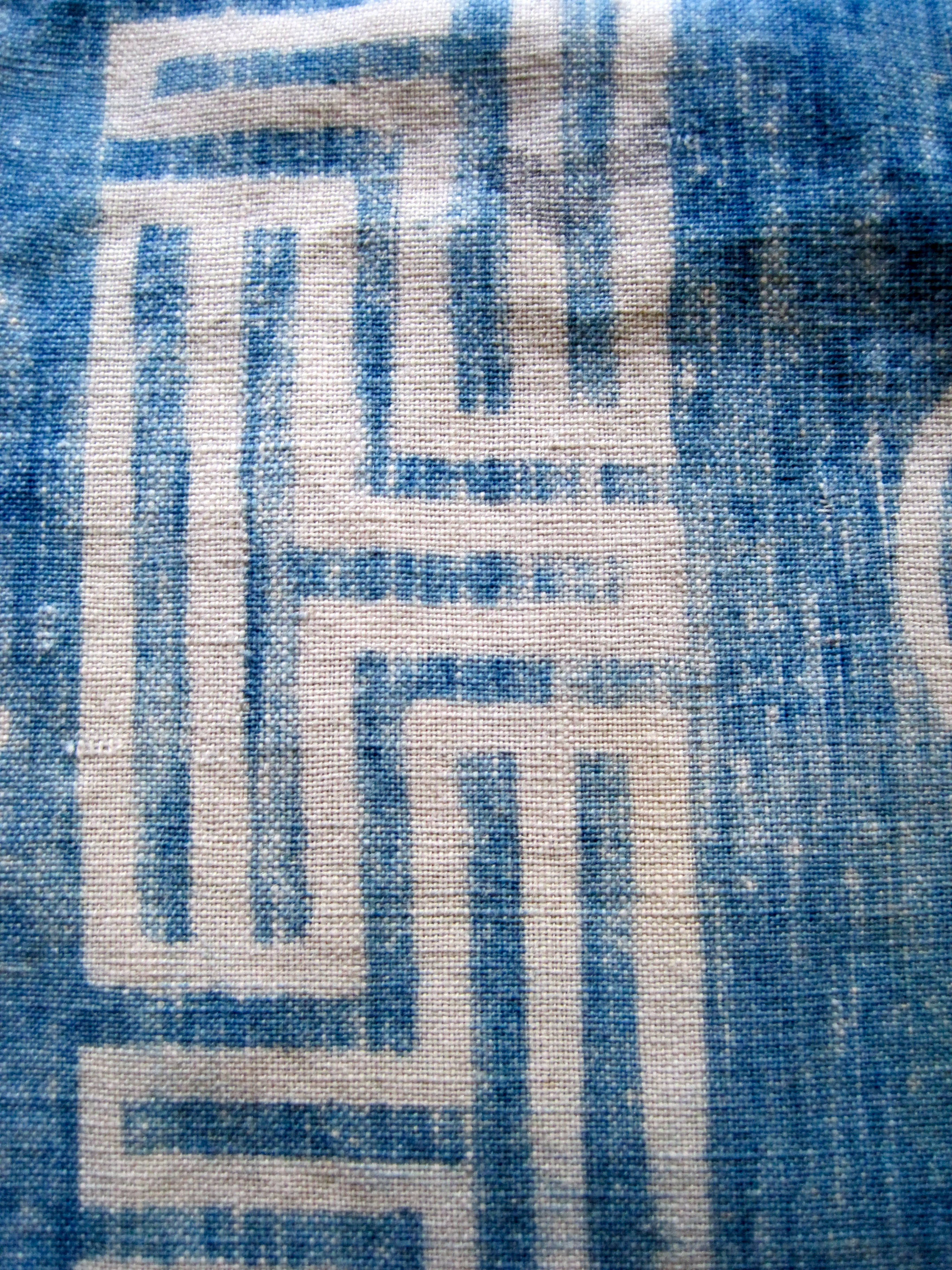
I recently found this late Edo or early Meiji period obi made from hand spun cotton. The obi has been dyed using indigo over dyed with a yellow to create a green color. The pattern was created using a katagami or “stencil” to deposit rice paste onto the fabric before dying. The obi is made from two lengths of fabric sewn together in the middle. I think it was made this way because the person who made it was taking advantage of leftover fabric.

IMG_2255IMG_2251IMG_2252IMG_2253IMG_2254I love this geometric repeat pattern. I think it could really work as a modern textile. I would like to try to reproduce this fabric in the future. The colors that come out in this last photo show off the colors possible when over dying indigo.

Late Edo period katazome

This is a completely hand made cotton textile. I think it dates to the late Edo or early Meiji period. The fabric is soft and worn and has probably seen many different uses in its long life. The pattern is odd and I haven’t seen many others like it. I love the way the indigo has worn to produce an almost ikat pattern under the applied katazome decorations.

IMG_2166IMG_2167IMG_2168IMG_2169IMG_2170

My Hand Spun Cotton Thread

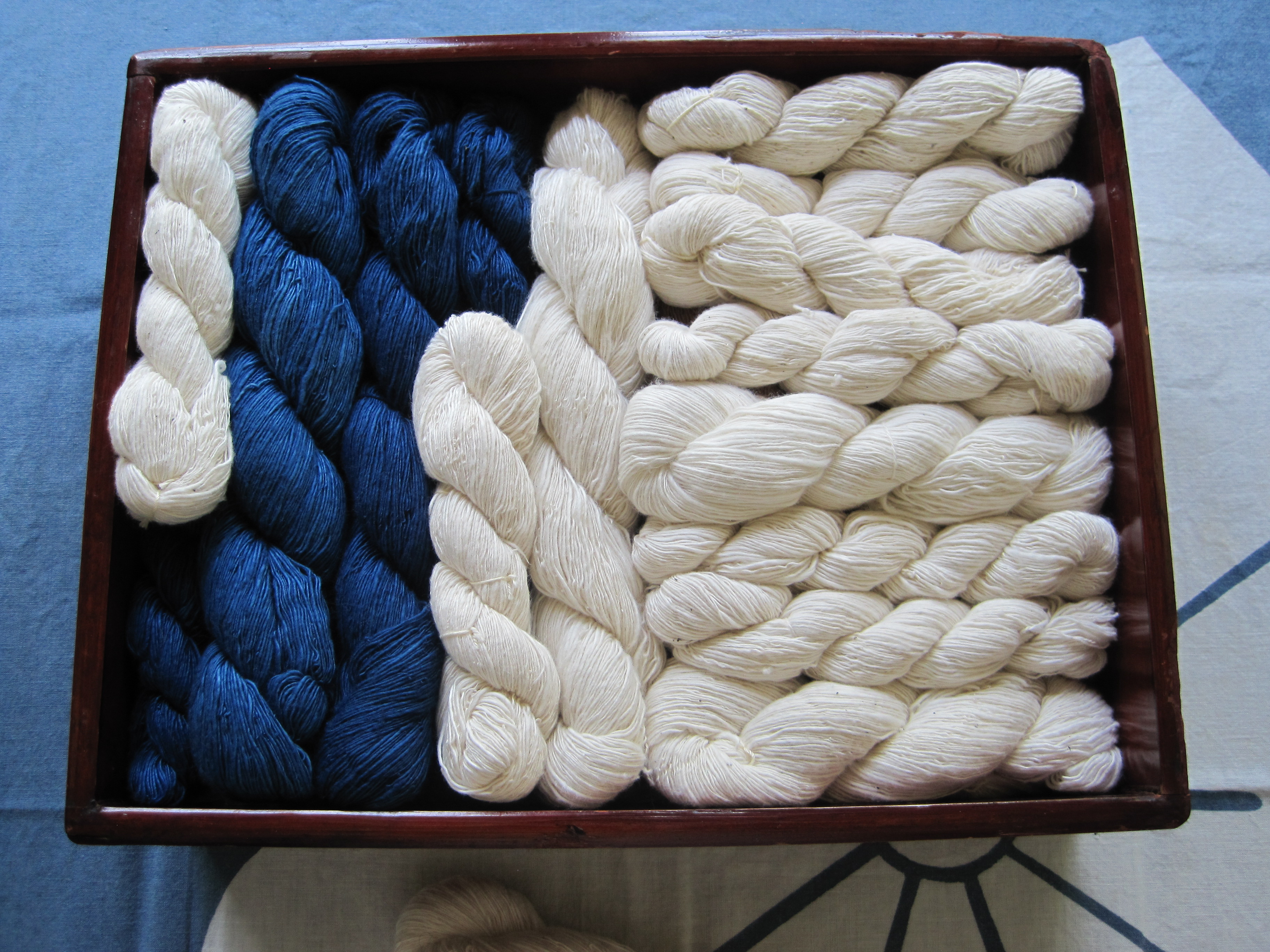
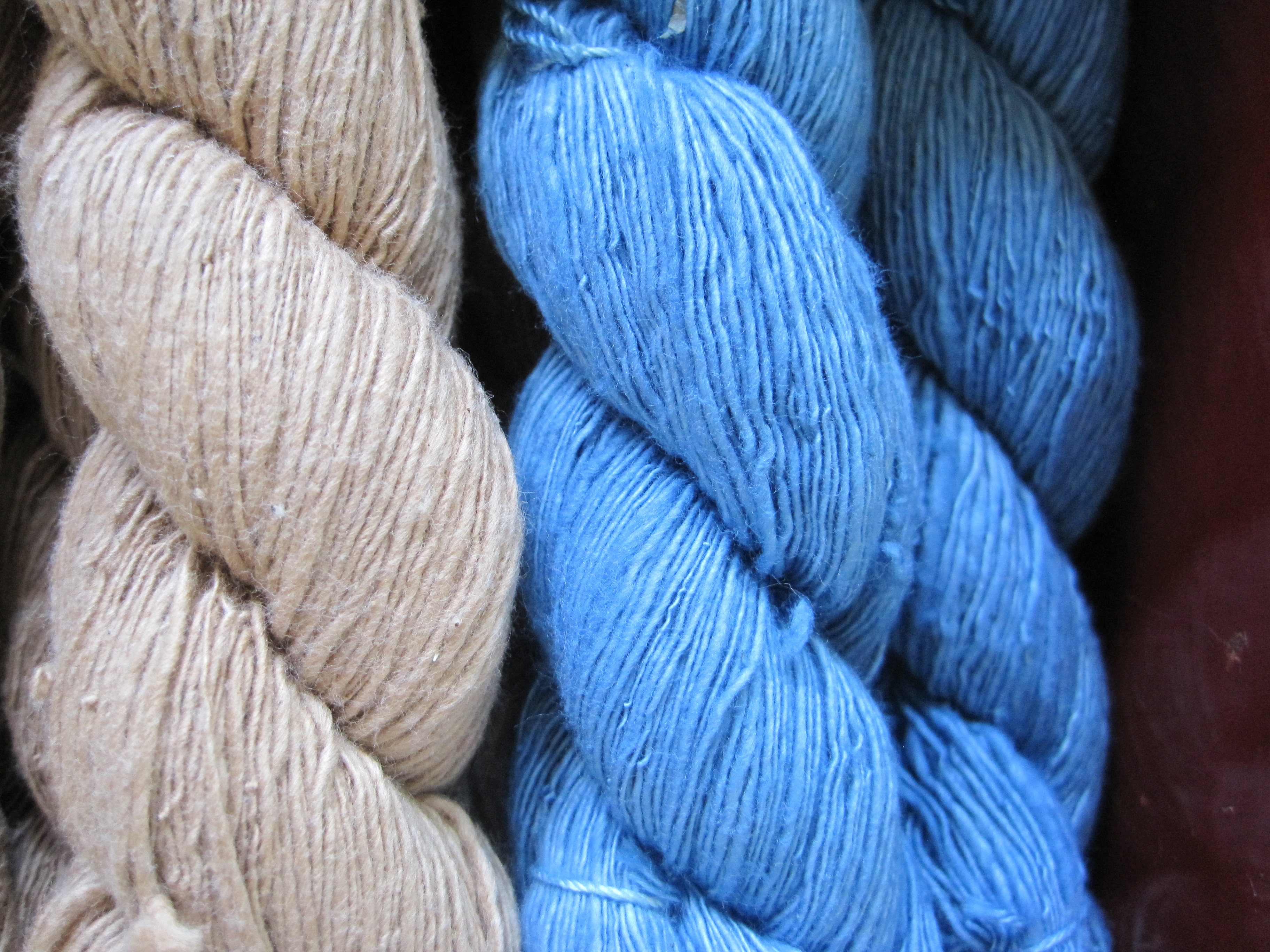
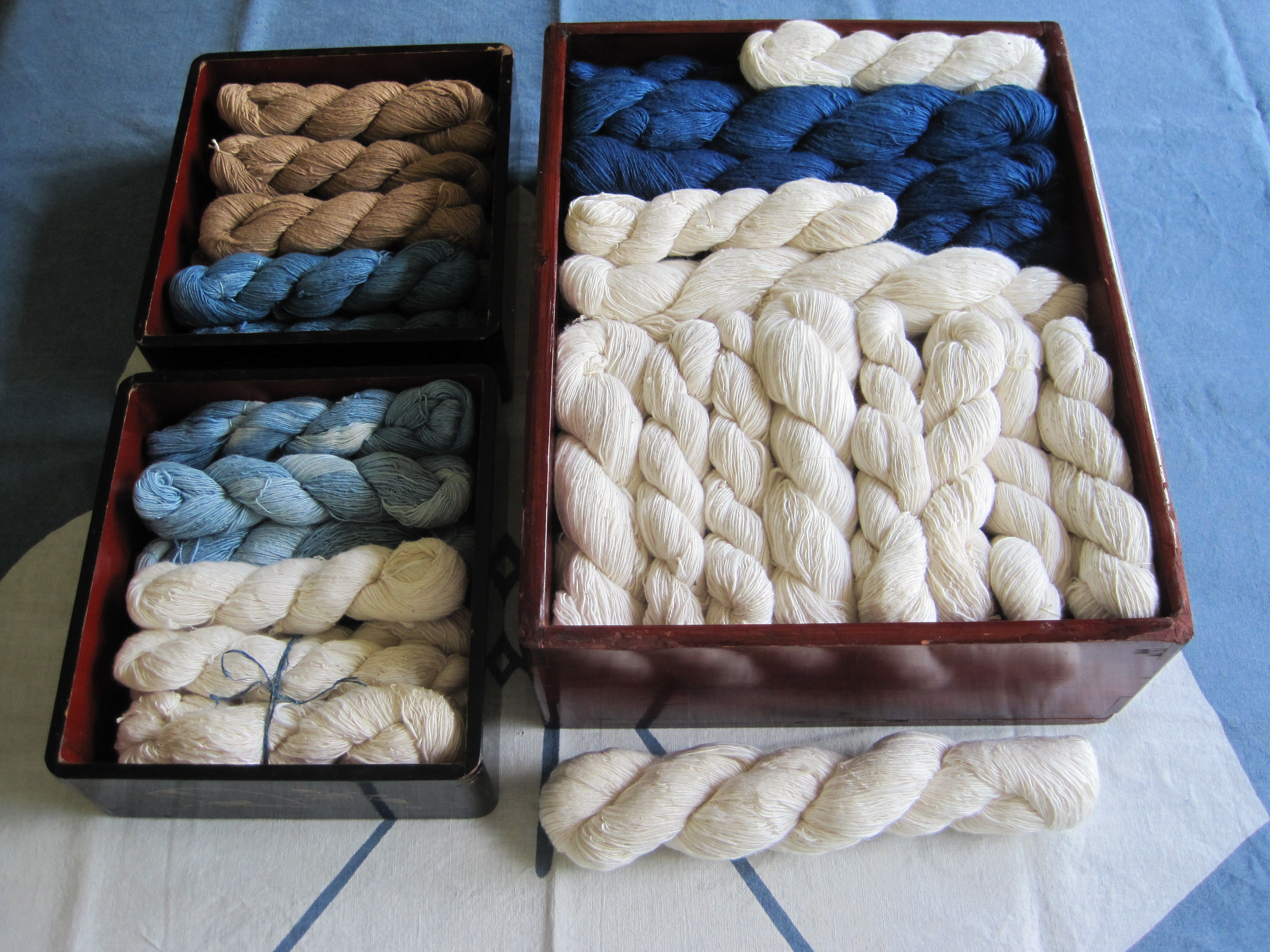
IMG_2218I’ve been spinning cotton for about 3 years now. I started by using a drop spindle and then moved to a spinning wheel and charkha. I have experimented spinning short staple, long staple upland and naturally colored cotton. Its really rewarding to dye upland cotton thread with indigo. Because of the luster in upland cotton the resulting color is bright and picks up different levels of color due to how much oxidation occurs. IMG_2212IMG_2215The process of spinning my own thread has allowed me understand the huge amount of patience and talent held by spinners dyers and weavers in the past. IMG_2216

Zanshiori

Image

Here is some Zanshi or “left over thread” fabric I recently found. Zanshi was traditionally woven at the end of a bolt of kimono fabric. Once the kimono length had been woven the weaver would use up left over threads and bits and pieces left at the ends of bobbins to fill up the end length of warp. The resulting fabric was used for domestic purposes while the kimono bolt was more than likely sold. Zanshi was used most often for futon covers or work clothing. Notice the variation in pattern due to the different colors of left over threads.

Image

Image

Image

In these last two photos you can see the numerous knots used to bind the left over threads.

Image