All posts by Nathan S

Unknown's avatar

About Nathan S

Minami means southern in Japanese.
Sashiko

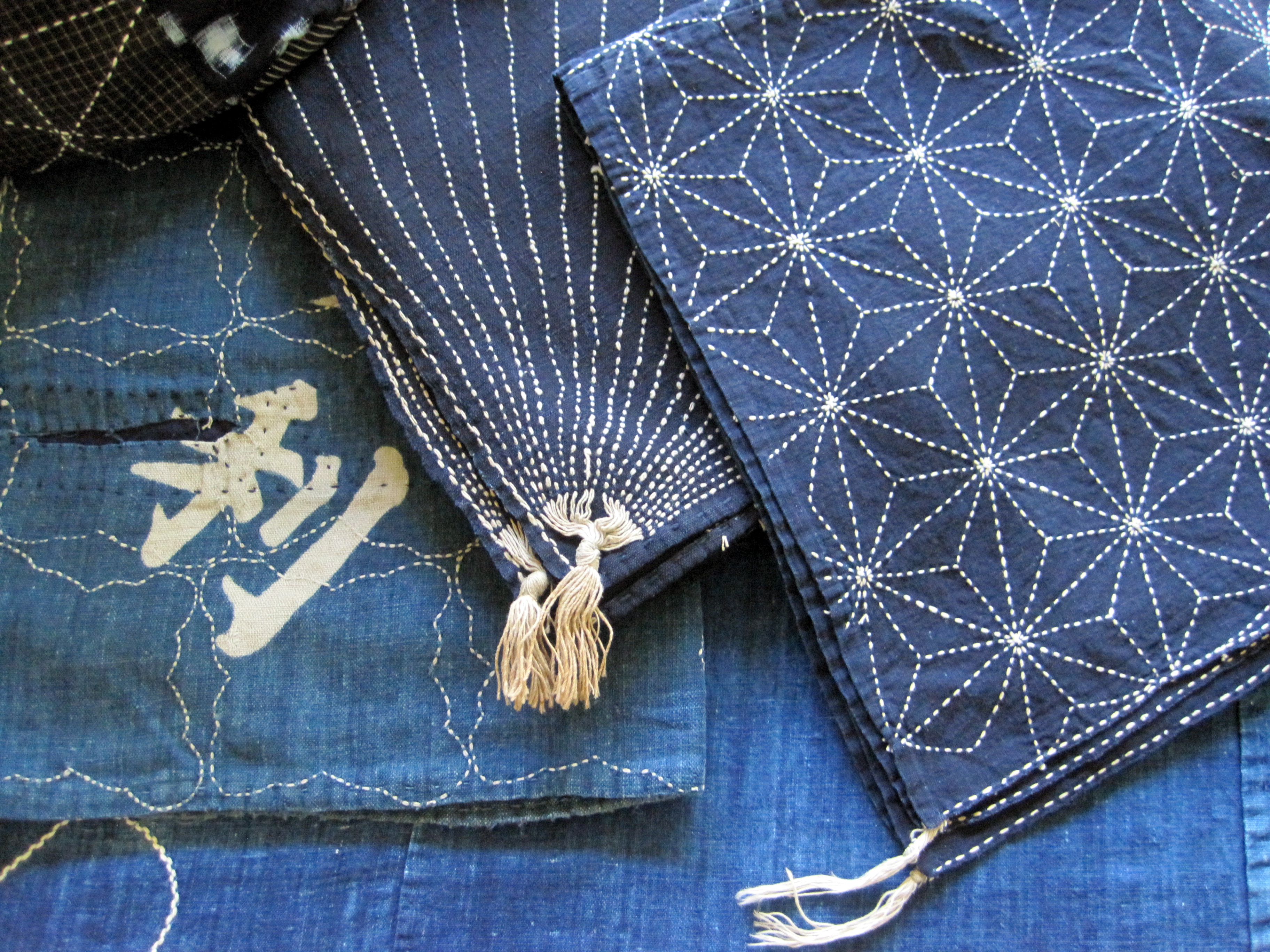
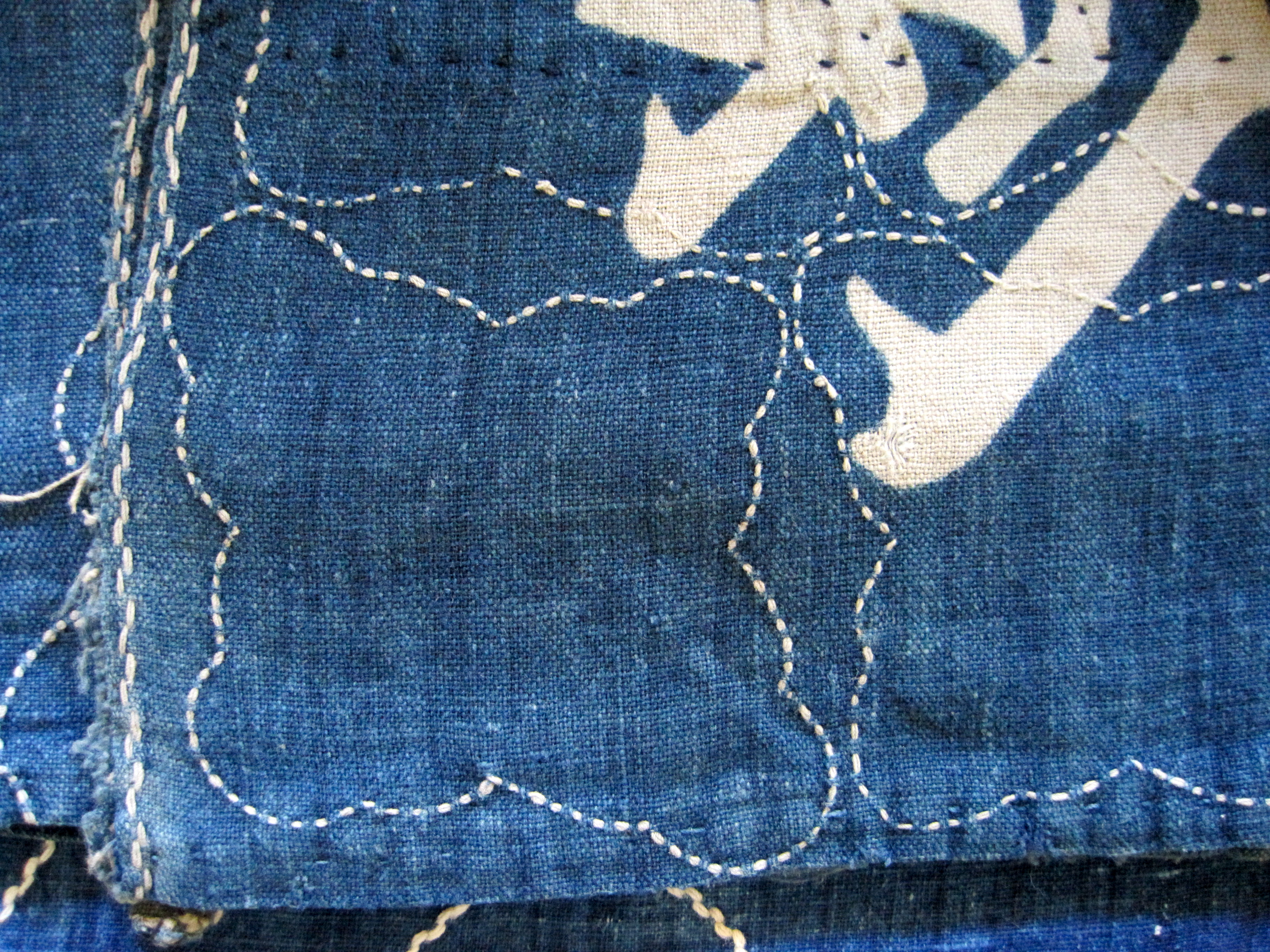
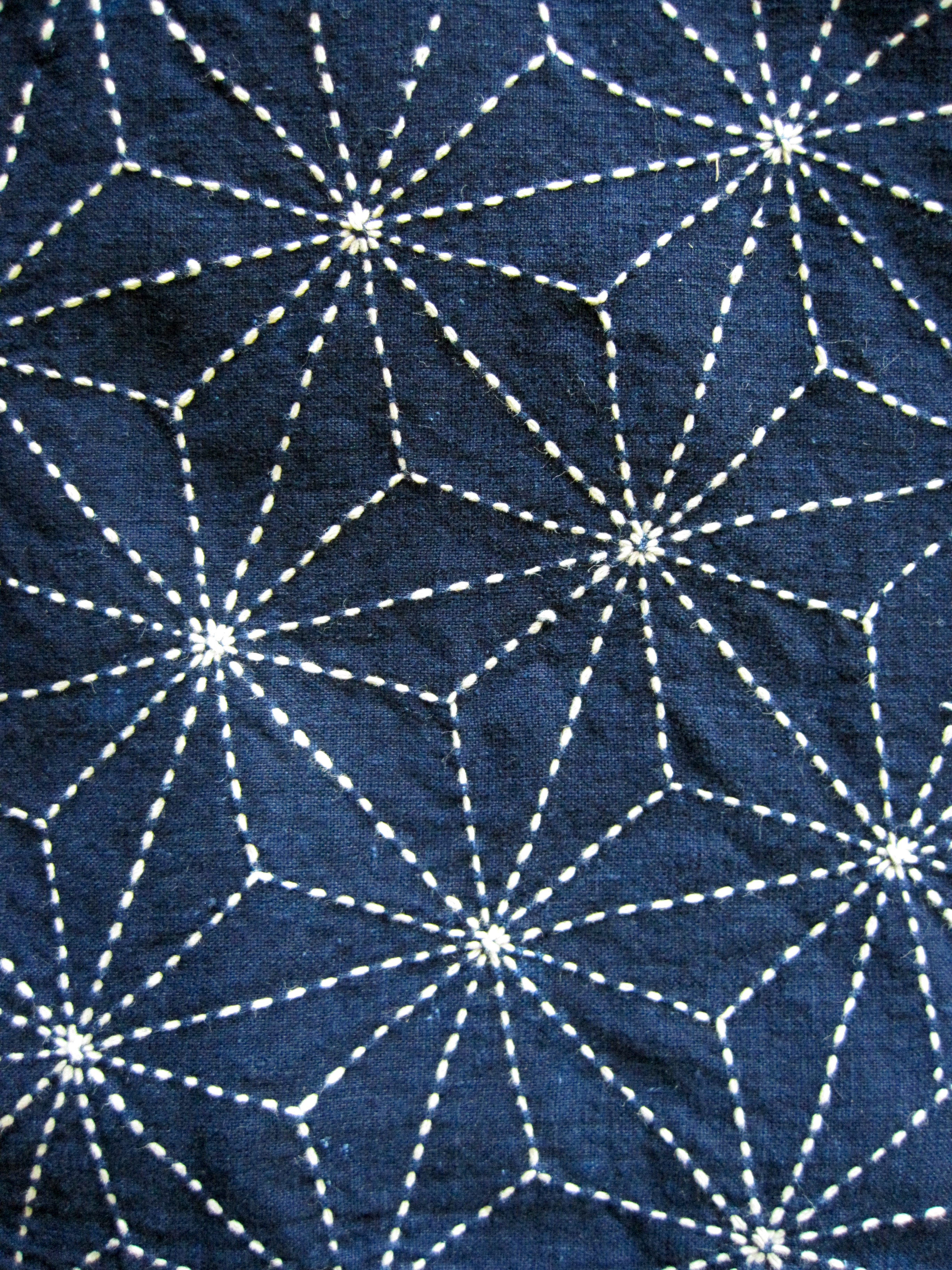
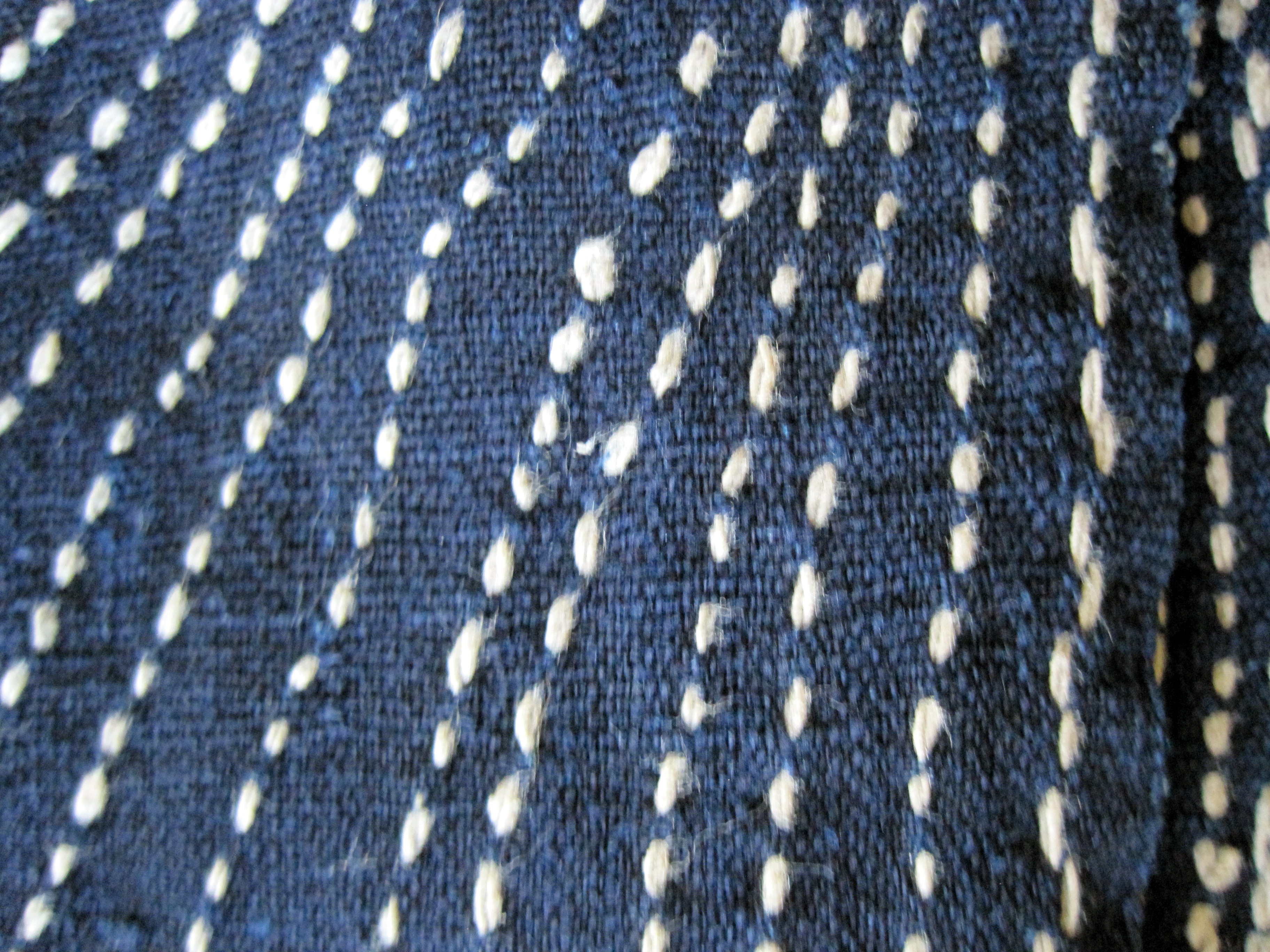
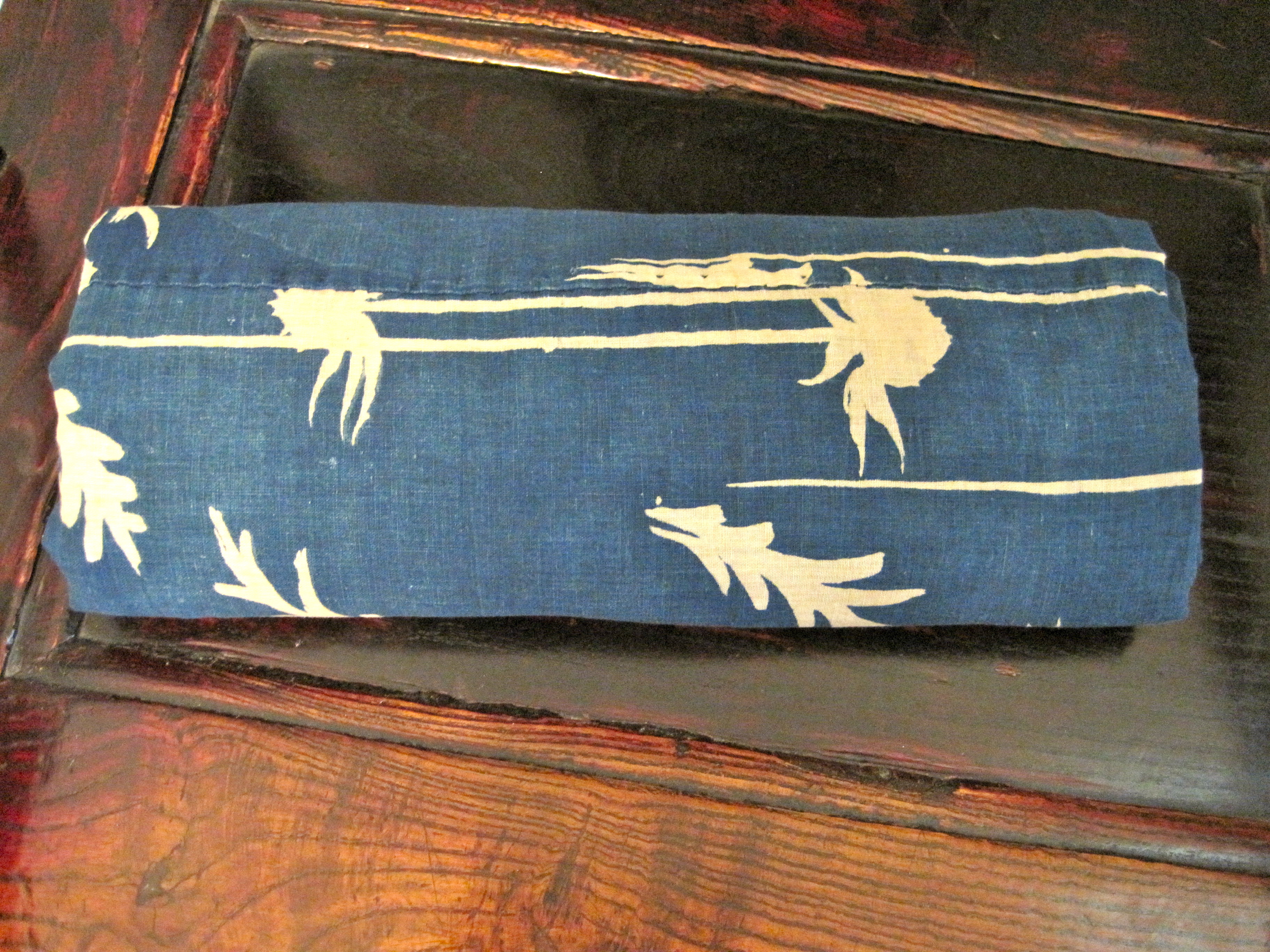
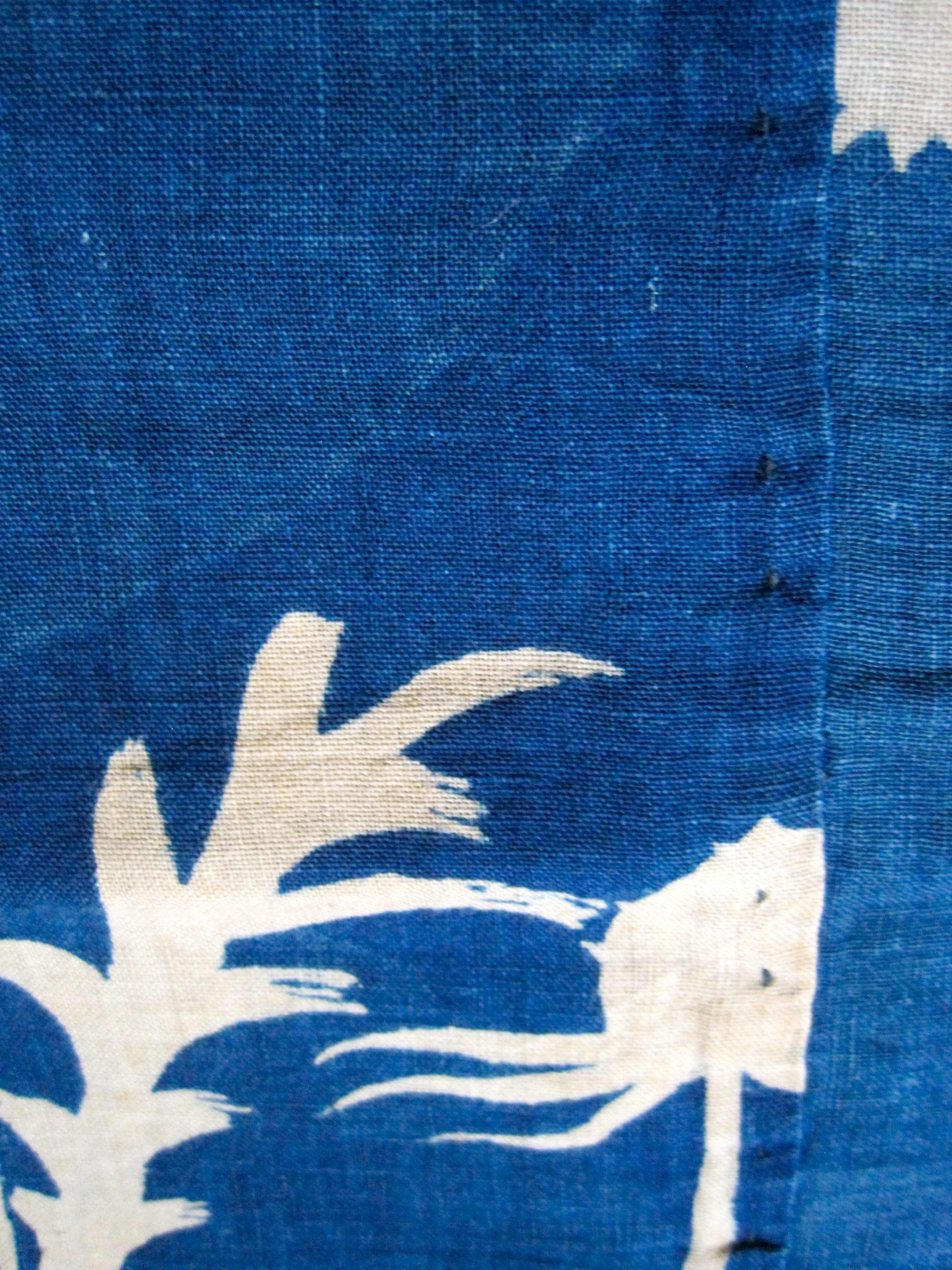
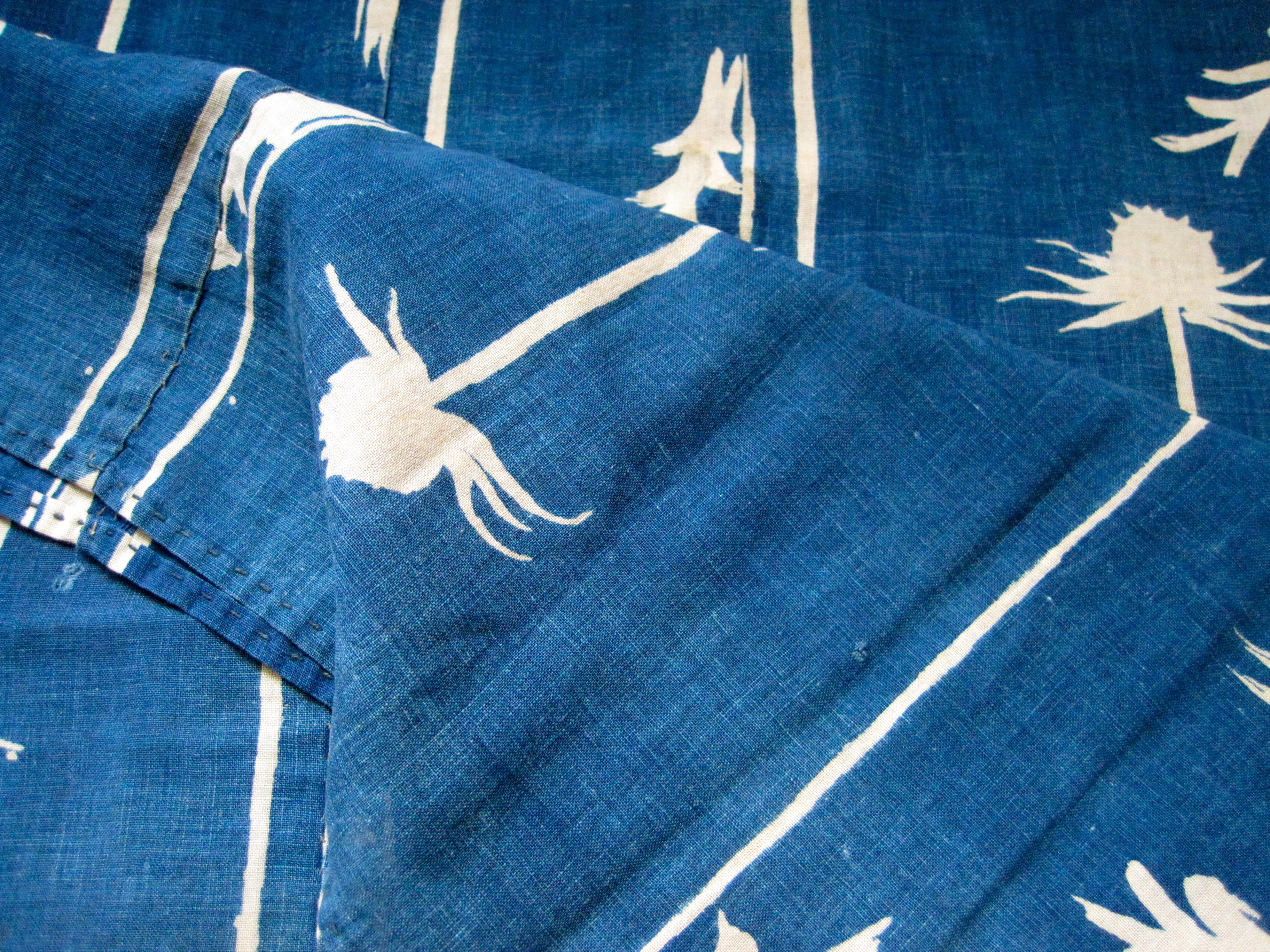
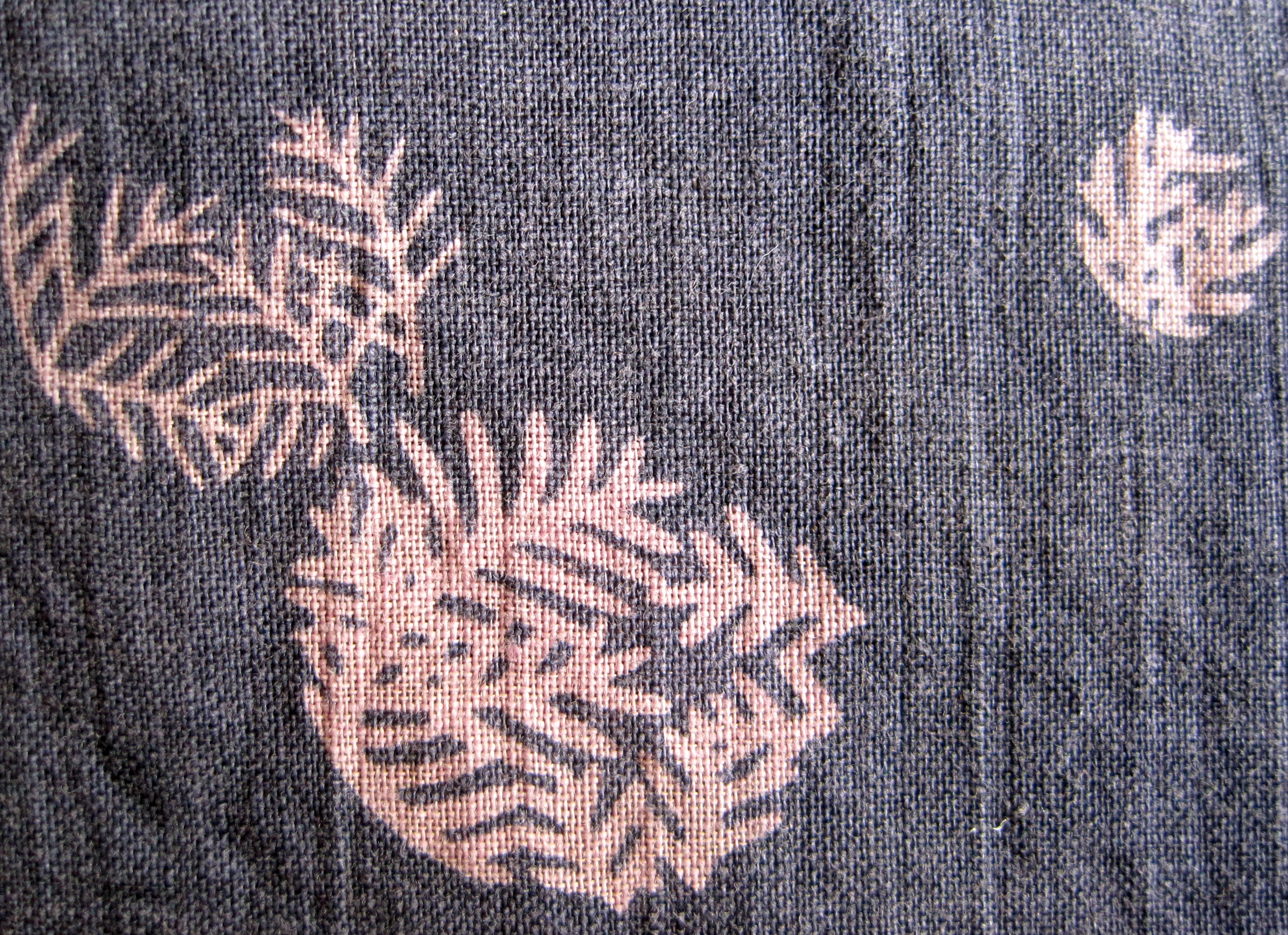
Sashiko is a form of traditional Japanese embroidery originally used to reinforce garments and as a means of repair. In the northern regions of Japan garments were made stronger and warmer by layering cloth and stitching the layers together with long running stitches. This embroidery served a utilitarian purpose but also became a way to add decorative patterns and interest to garments and carrying cloths. IMG_2303 IMG_2304 IMG_2305 IMG_2306
Three of these sashiko furoshiki were created from hand spun and handwoven cotton which has been dyed with natural indigo. the forth furoshiki with the star pattern is made from hand dyed commercially produced cotton. 

Vintage Handmade Chinese Cotton Fabric

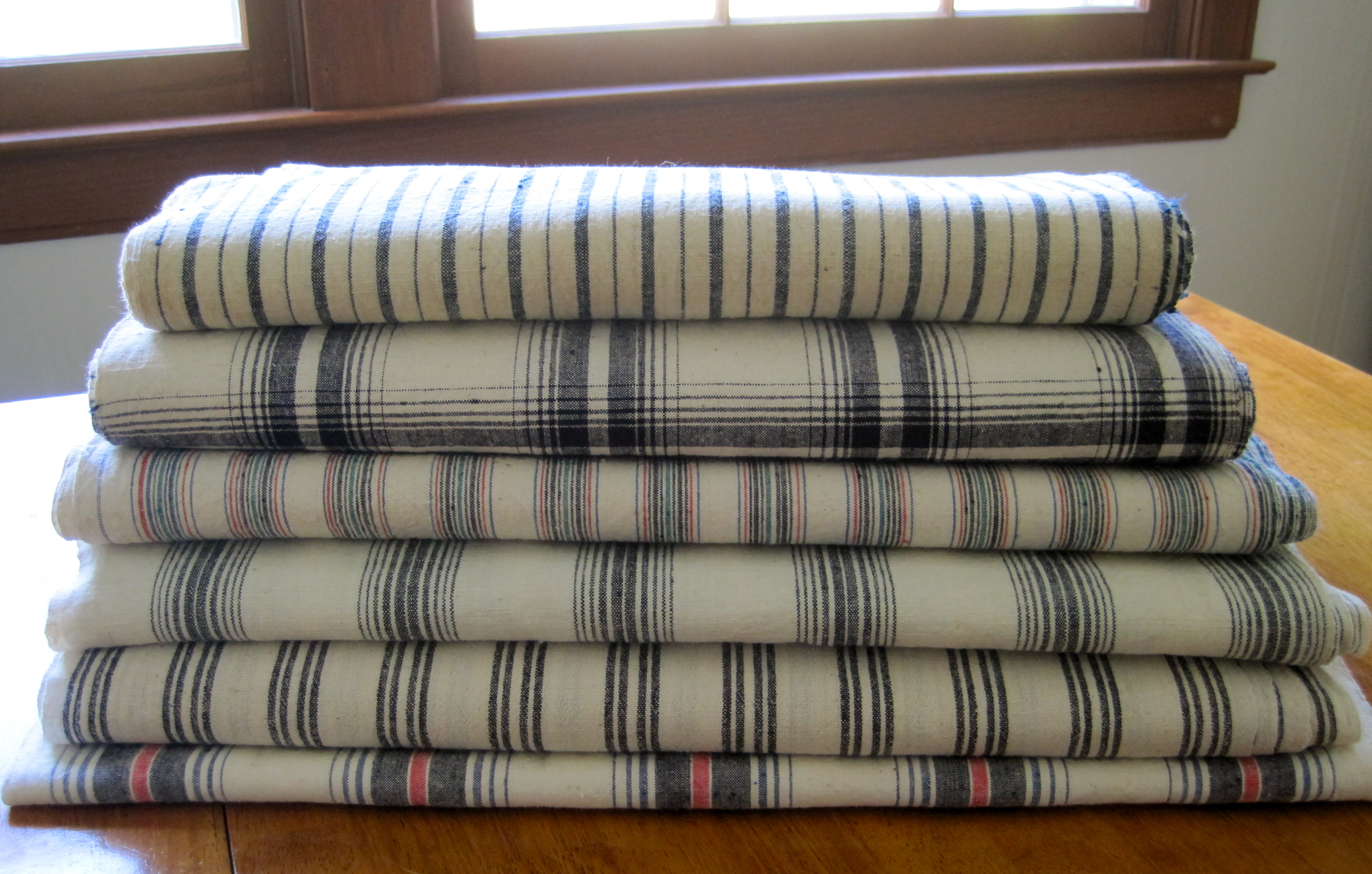
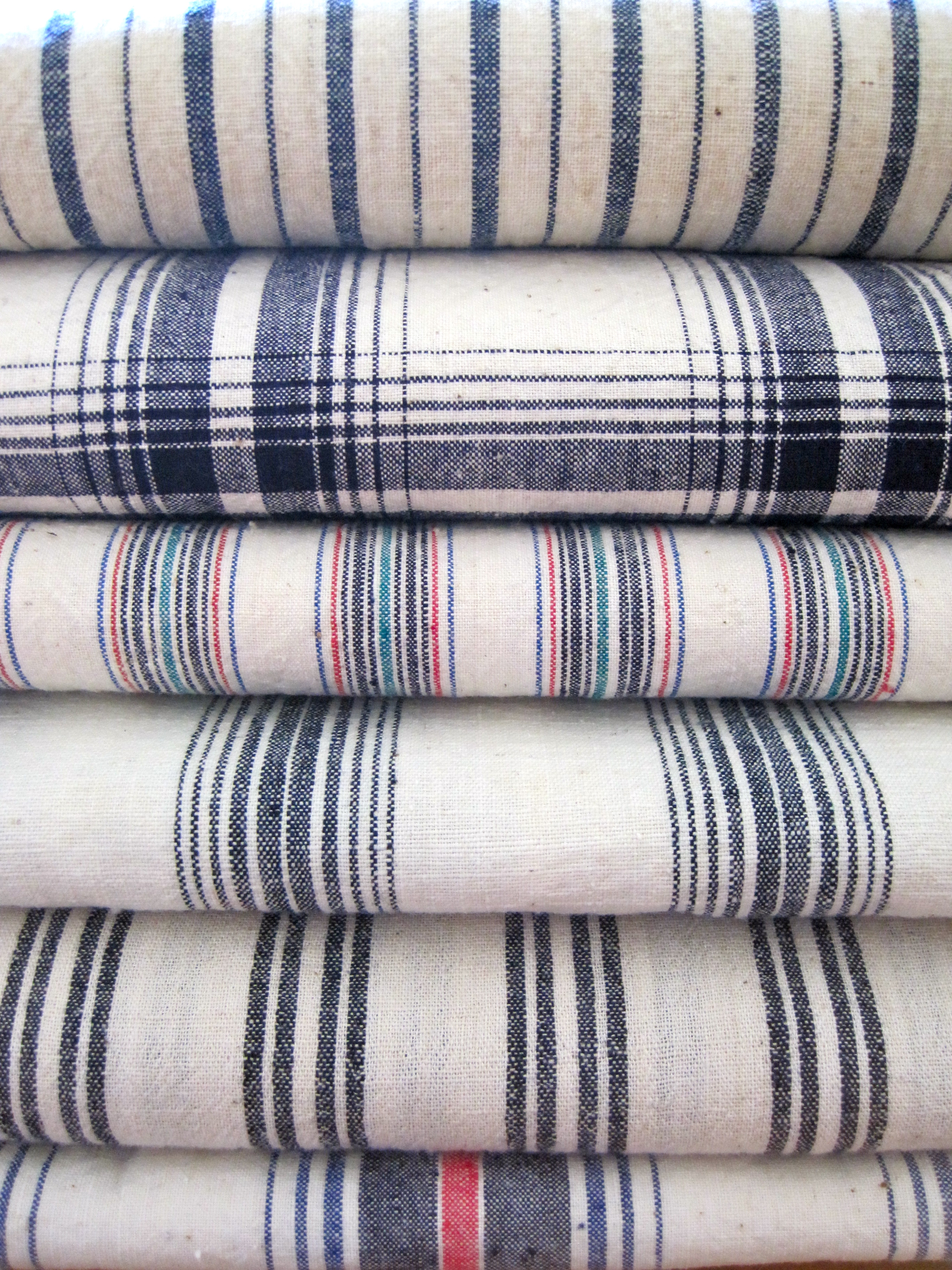
Here is my collection of hand spun and hand woven Chinese fabrics from the Chongming Islands near Shanghai at the mouth of the Yangtze river. In the past it was the custom on these Islands to present newlyweds with handmade fabric in honor of their weddings. much of this fabric was never used instead it was stored and treasured by the couple. This fabric has a beautiful texture due to the hand spun threads. IMG_2257 IMG_2258

The width of the fabric varies between thirteen and nineteen inches. This width is a good indicator that these fabrics were woven on a small hand loom. Much of the fabric has small bits of organic material from the cotton plants that show up on the fabric as small tan dots. I love these fabrics. Some of them can be purchased at my shop: https://www.etsy.com/shop/luckyredbat

Antique Miao batik

IMG_2245

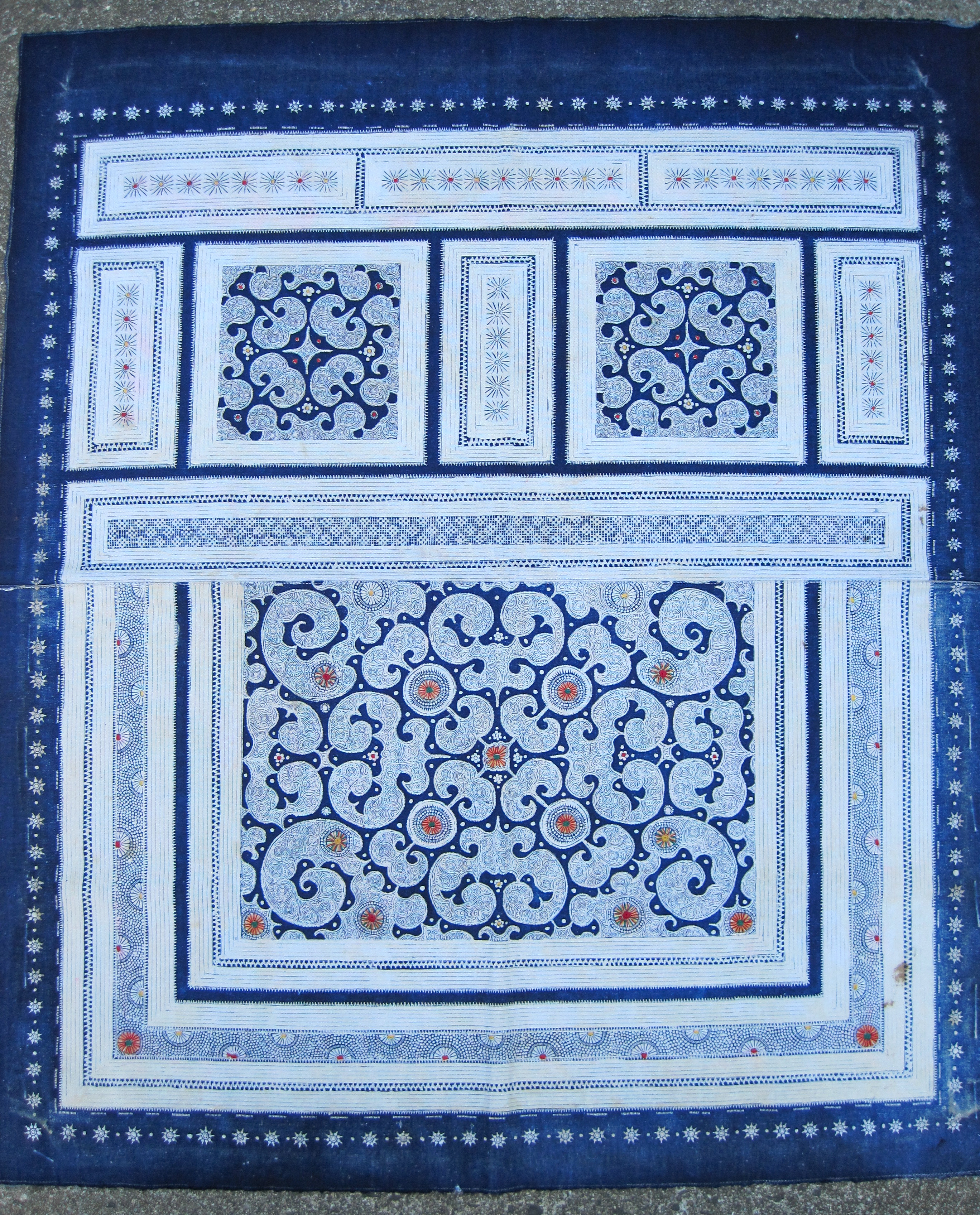
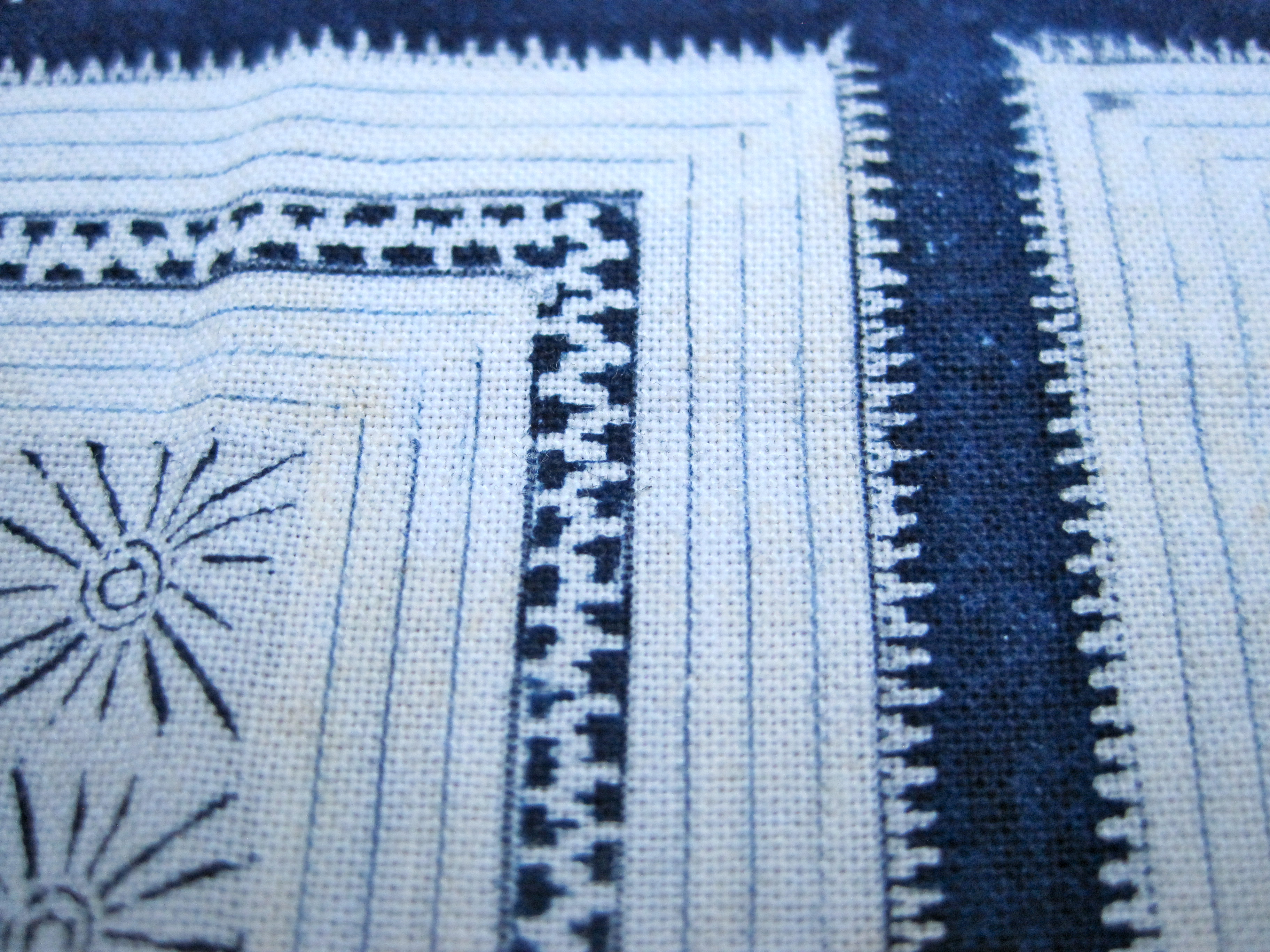
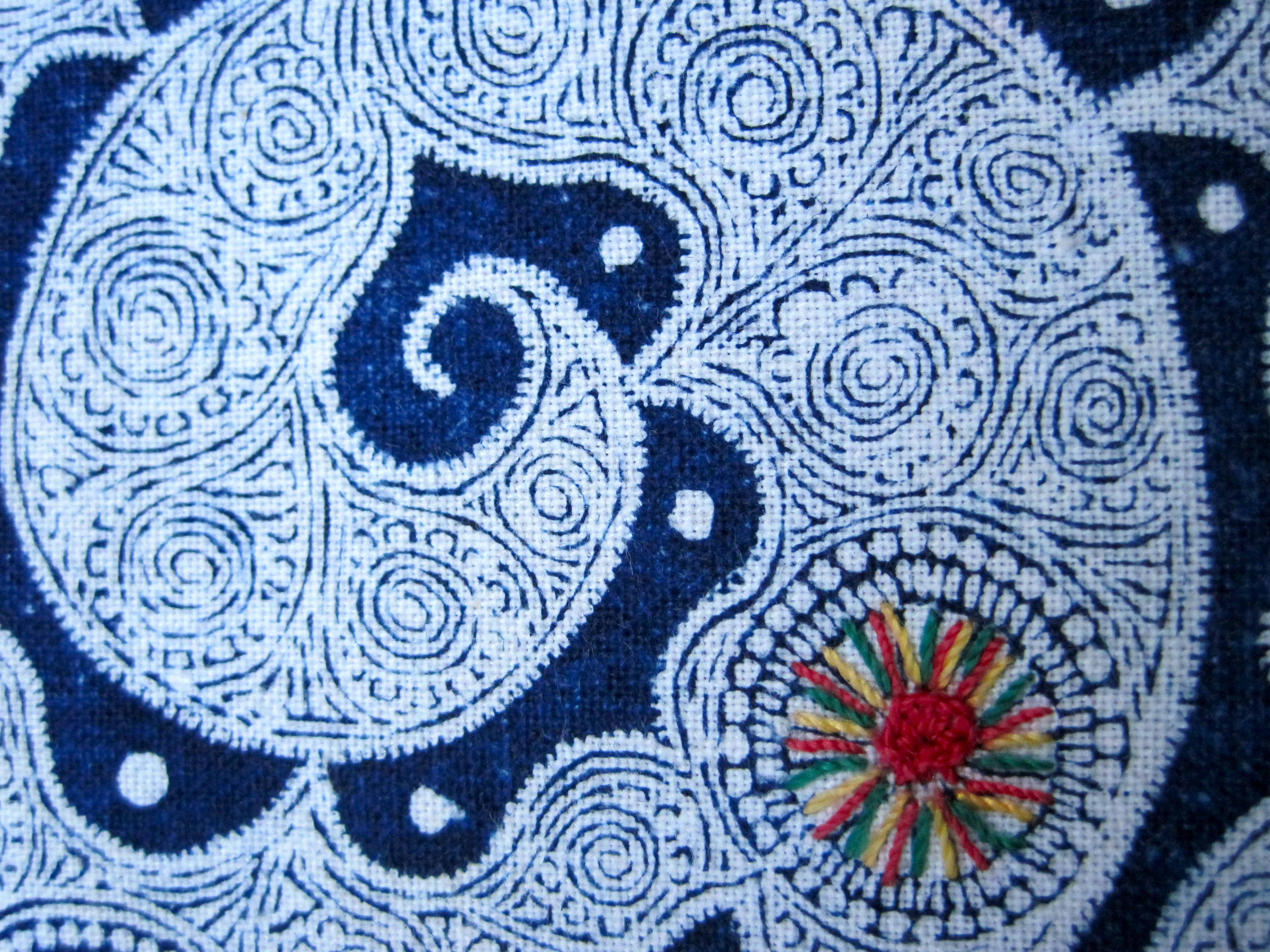
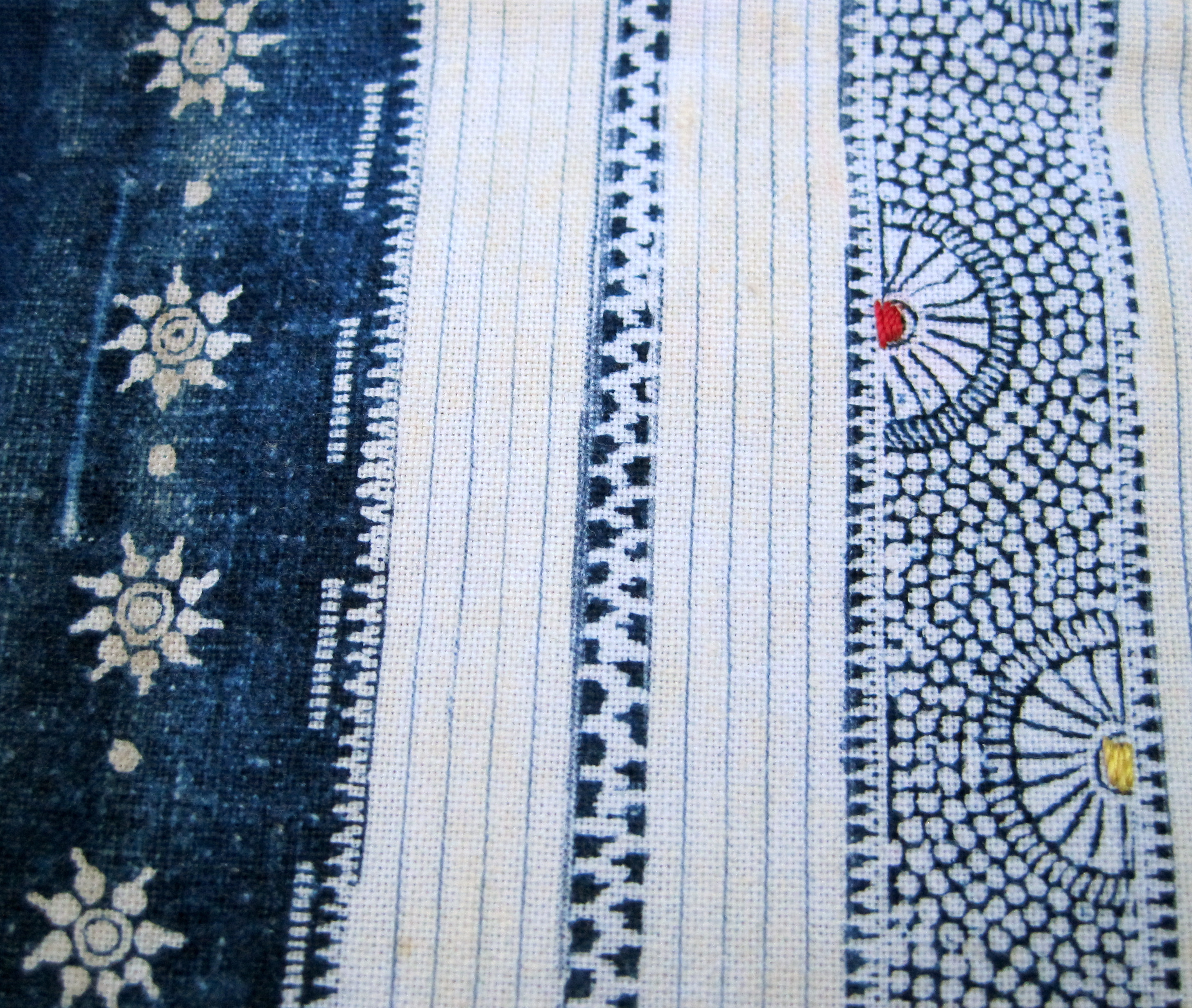
This is a panel from a Miao baby sling. The Miao live in southern China and represent a distinct ethnic minority in China. I purchased several of these fabrics while traveling in China a few years ago and I think this one is about 80 or 90 years old. The machine produced cotton has been dyed with natural indigo and the design was created using a resist process that employed a wax taken from the sweet gum tree. The process of this batik style has been extensively documented by Sadae and Tomoko Torimaru in their book Imprints On Cloth. They say this intricate form of batik comes from the North Western part of Guizhou province.IMG_2248IMG_2249

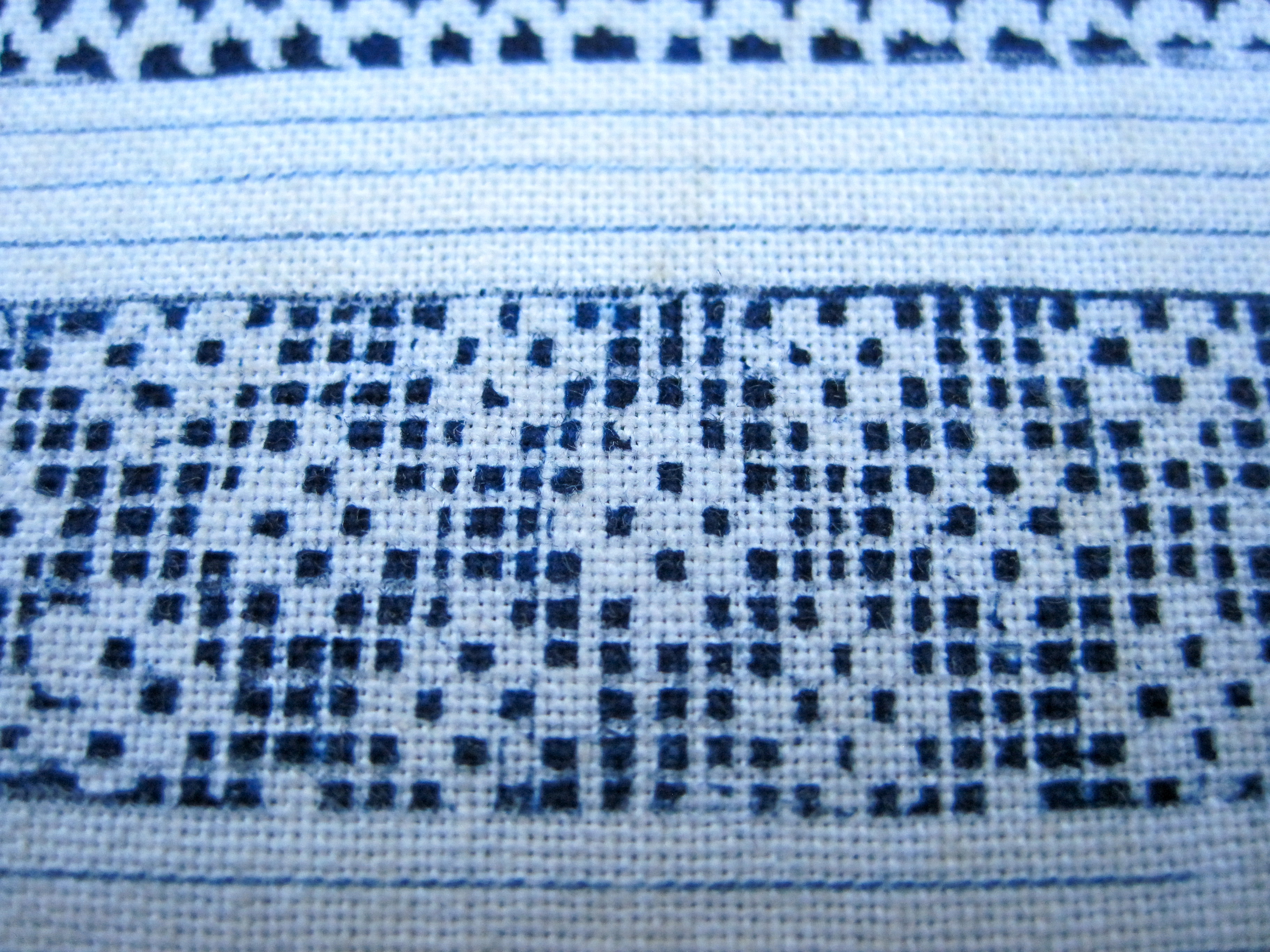
This last photo shows just how intricate the batik pattern is. In this example it almost looks like lace. This “lace” portion of the fabric is really only about one inch wide.IMG_2246

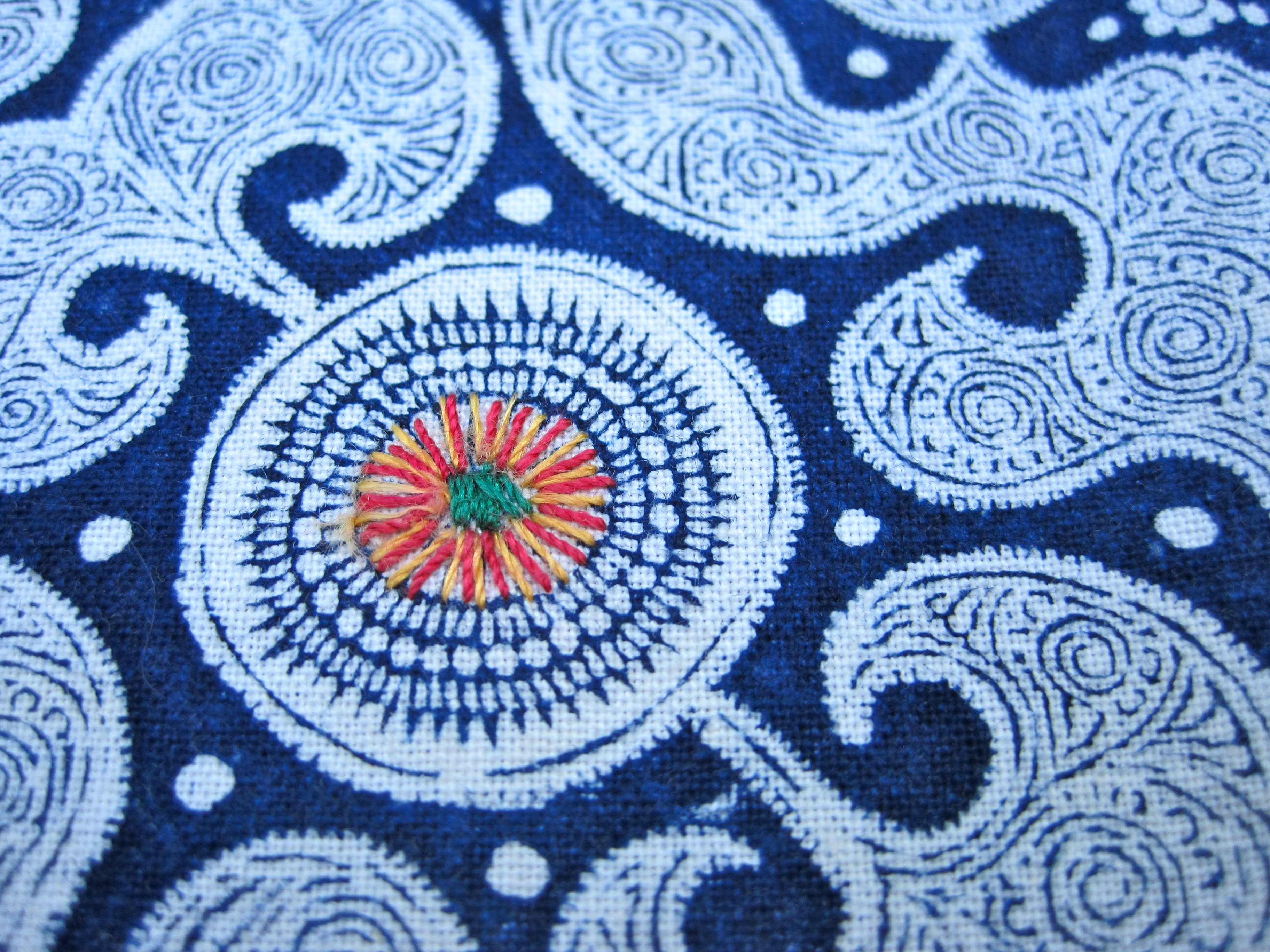
In some places the batik has been embellished with green, red and yellow cotton floss. Torimaru notes that this is a common addition to batik from NW Guizhou.IMG_2250IMG_2247IMG_0359

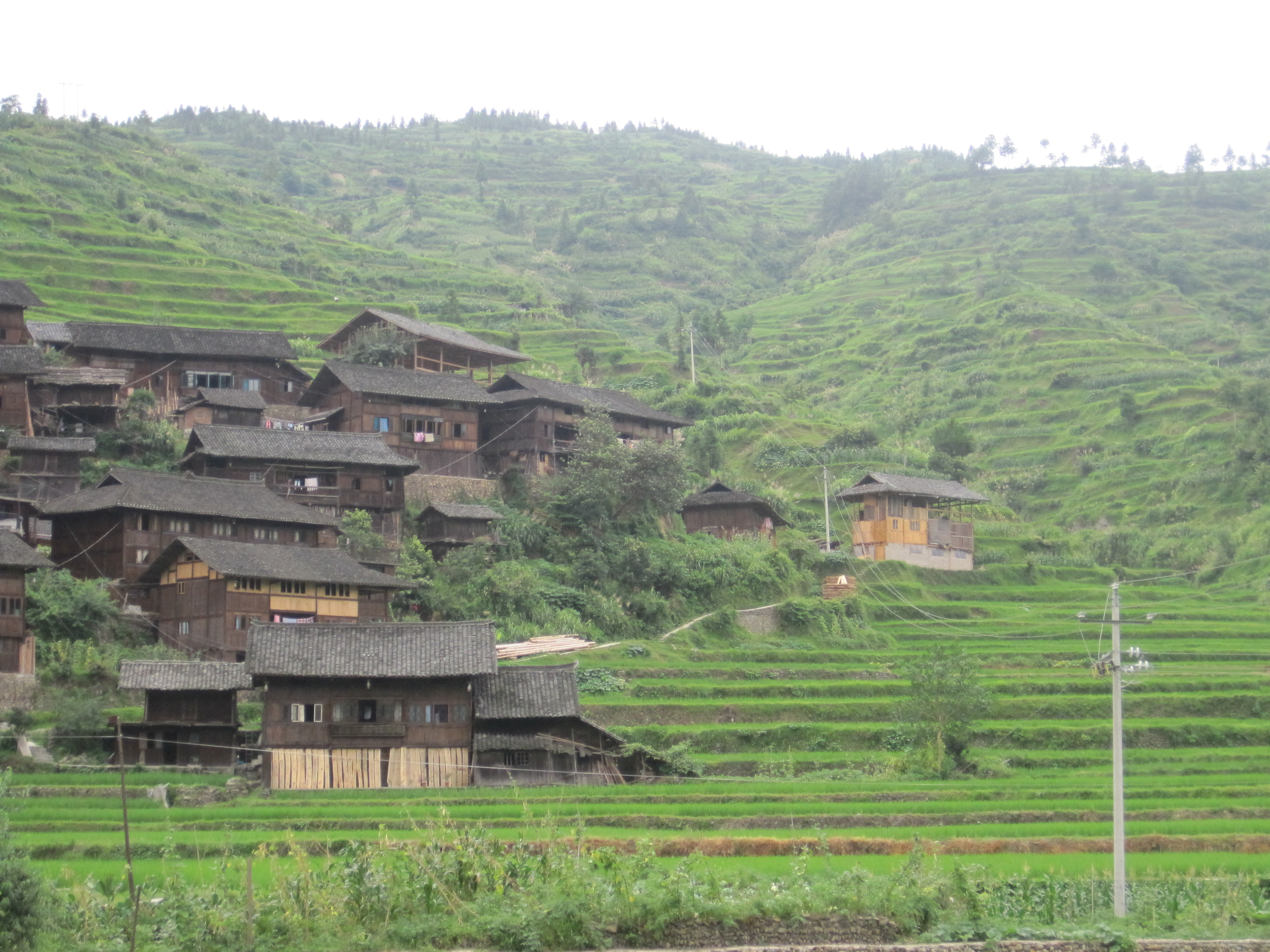
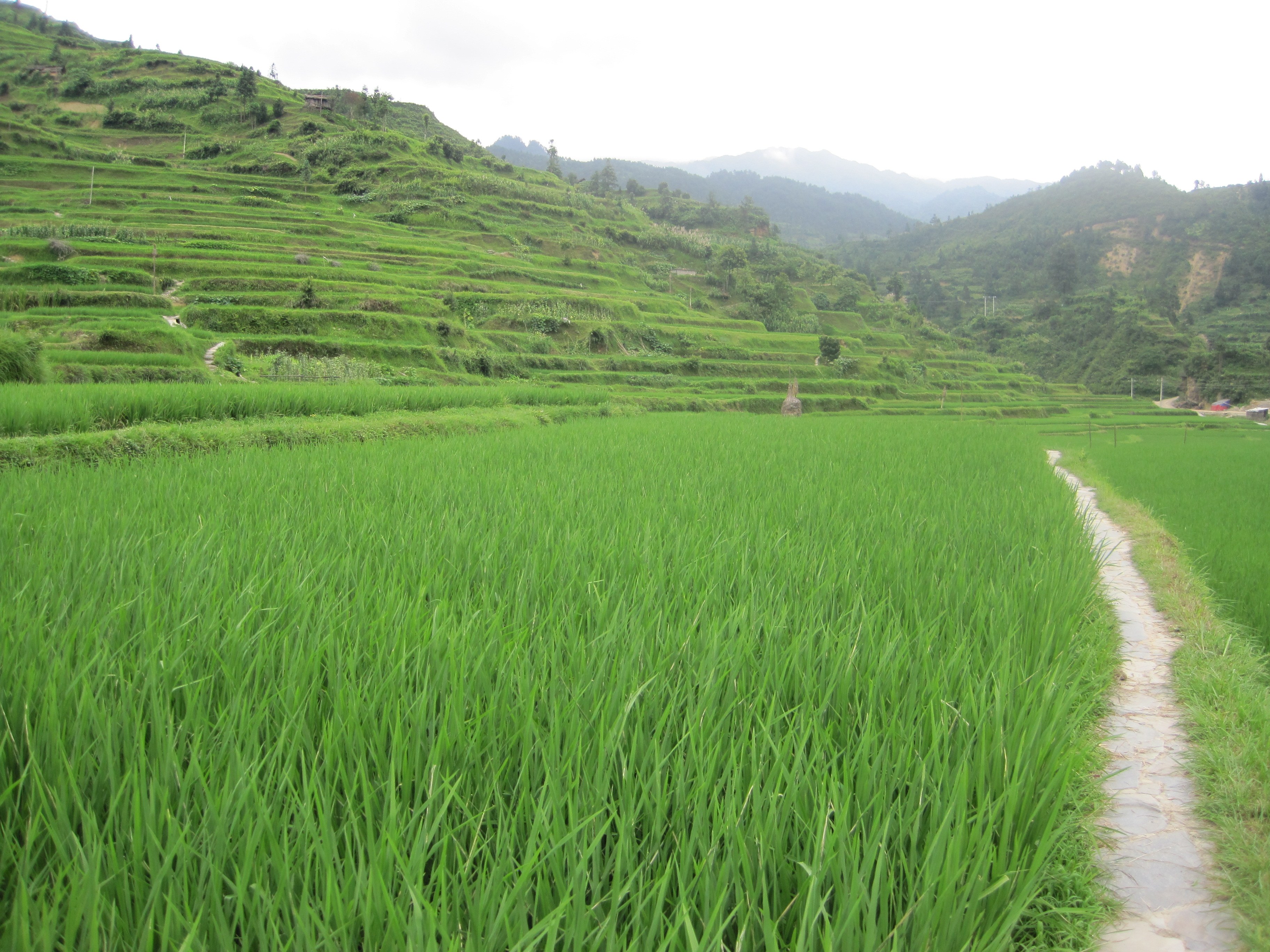
These Miao houses were near the village where I purchased these panels. It was July when I was there. It was extremely hot and the landscape was an almost other worldly green.IMG_0370

Katazome obi

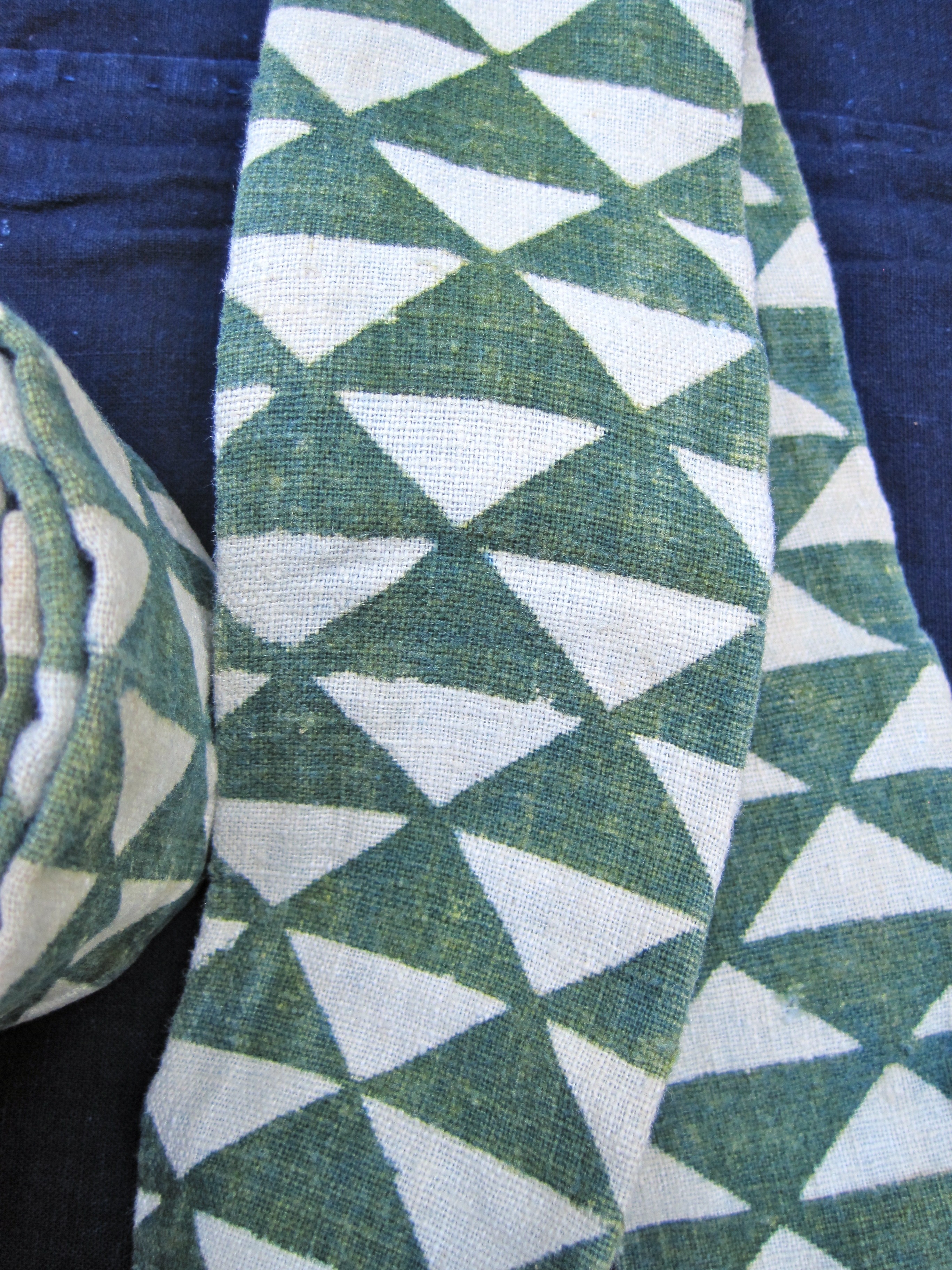
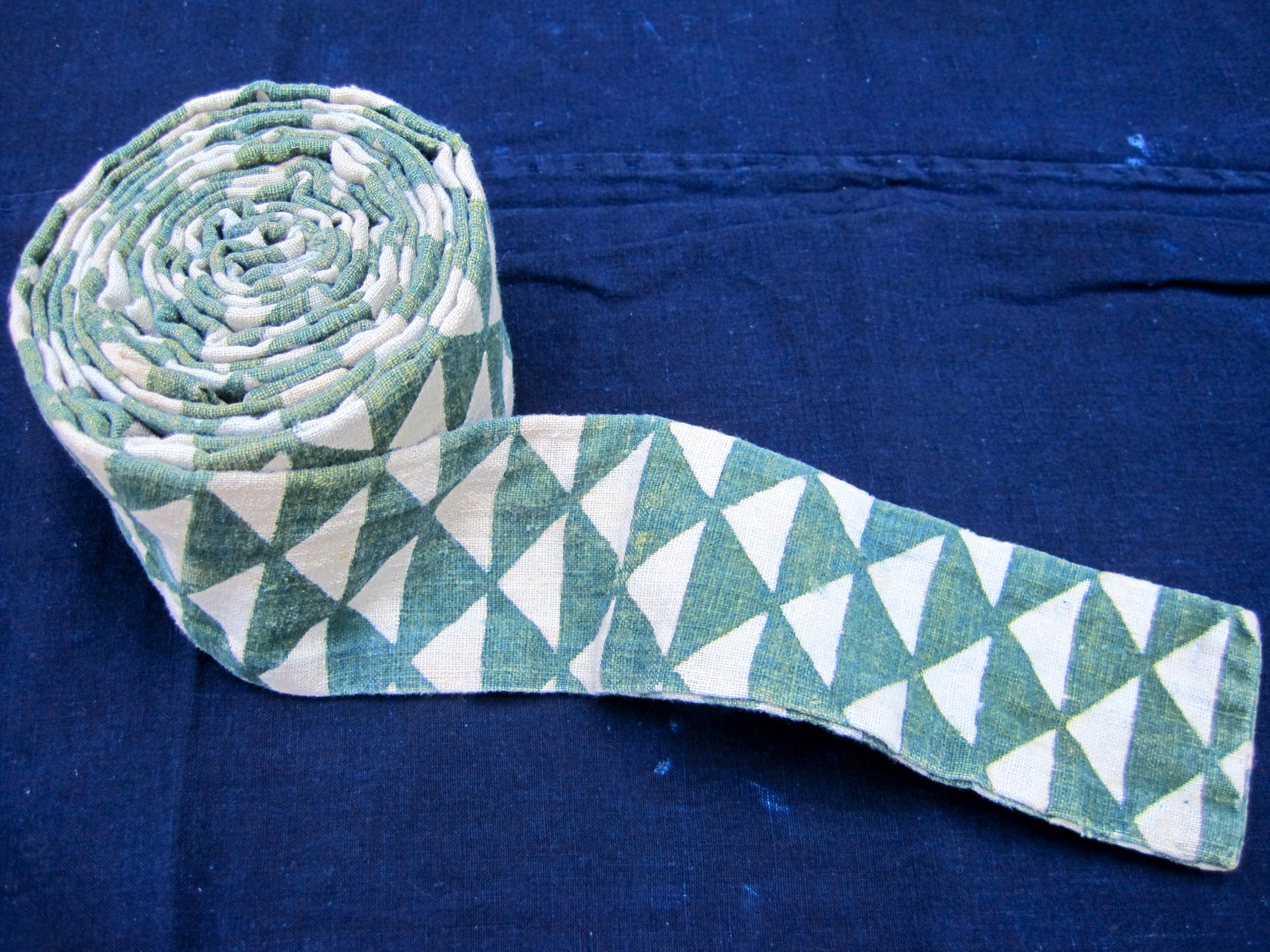
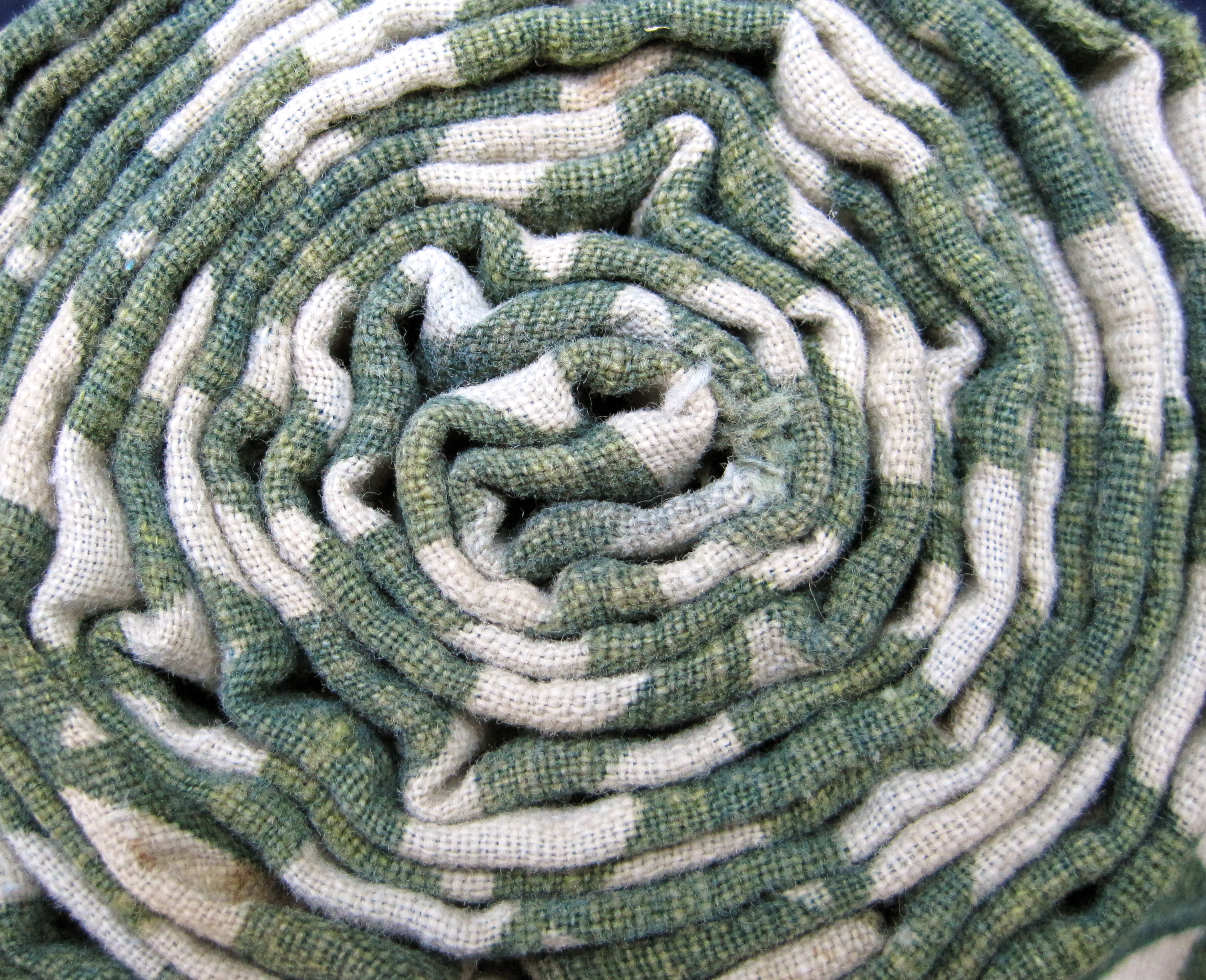
I recently found this late Edo or early Meiji period obi made from hand spun cotton. The obi has been dyed using indigo over dyed with a yellow to create a green color. The pattern was created using a katagami or “stencil” to deposit rice paste onto the fabric before dying. The obi is made from two lengths of fabric sewn together in the middle. I think it was made this way because the person who made it was taking advantage of leftover fabric.

IMG_2255IMG_2251IMG_2252IMG_2253IMG_2254I love this geometric repeat pattern. I think it could really work as a modern textile. I would like to try to reproduce this fabric in the future. The colors that come out in this last photo show off the colors possible when over dying indigo.

Zanshiori

Here is a new piece of cotton zanshi fabric I found. Zanshiori is the fabric woven at the end of a bolt that has a random pattern due to the use of leftover threads. I love the feel of this fabric. the knots give it a homemade rustic feel. The worn colors of this piece are also really nice. some of the strips seem like they may have once been red or pink probably from a commercial dye that was prone to fade over time. the indigo blue has held up well and still holds a deep dark blue in some spots. IMG_2147 IMG_2146 IMG_2148

this fabric can be purchased at:        https://www.etsy.com/listing/158501070/antique-handwoven-japanese-zanshi-indigo?ref=shop_home_active

Late Edo period katazome

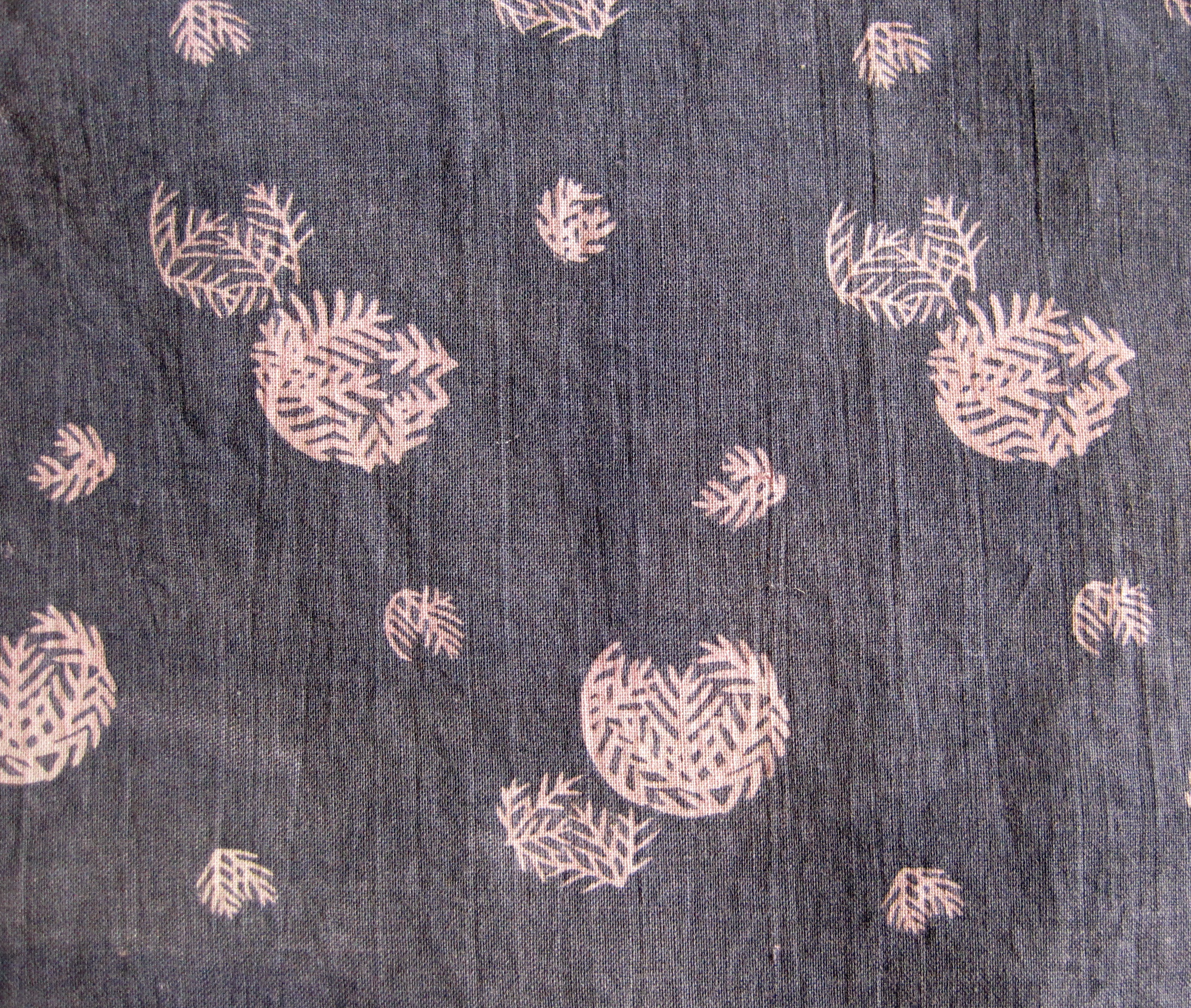
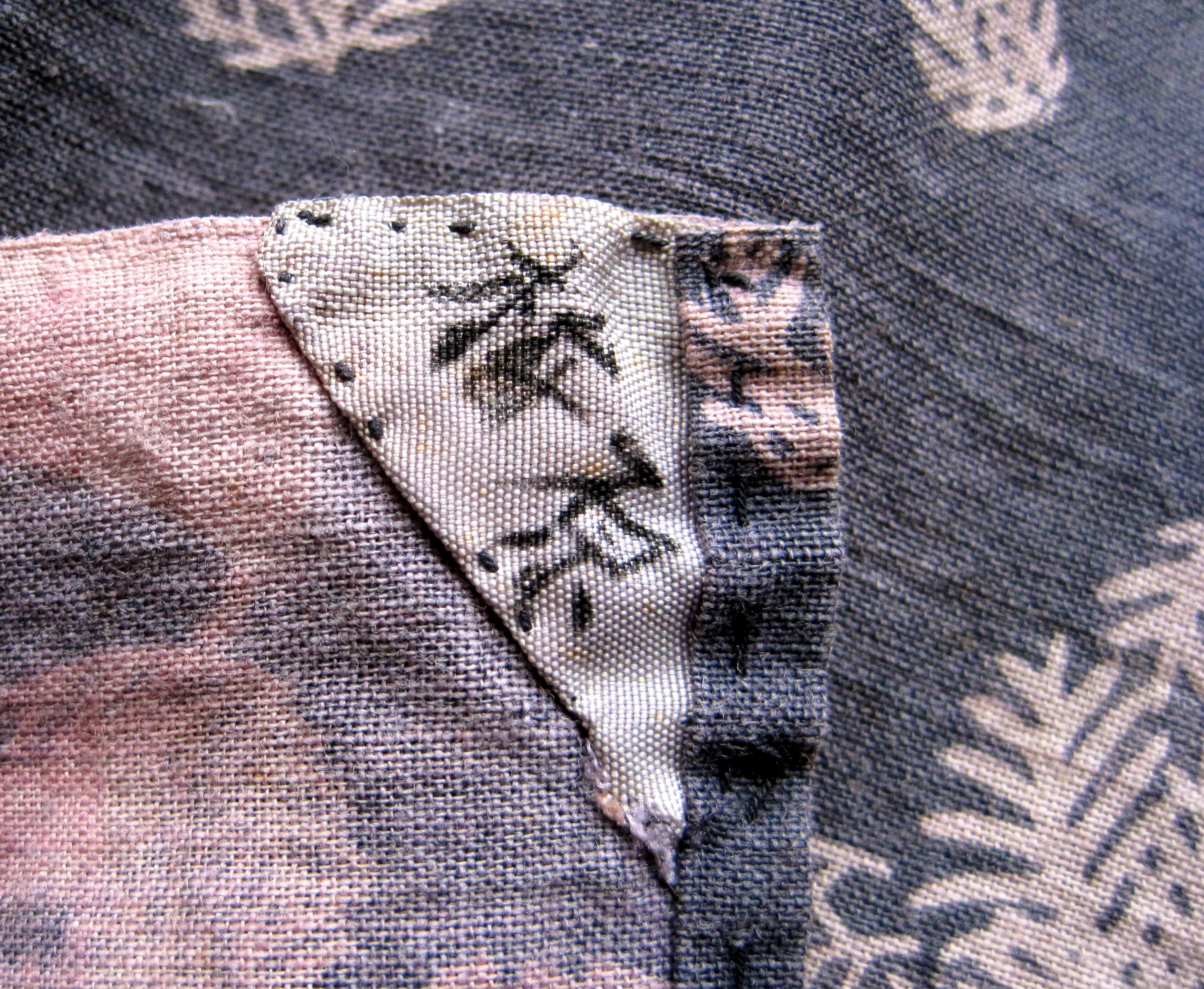
This is a completely hand made cotton textile. I think it dates to the late Edo or early Meiji period. The fabric is soft and worn and has probably seen many different uses in its long life. The pattern is odd and I haven’t seen many others like it. I love the way the indigo has worn to produce an almost ikat pattern under the applied katazome decorations.

IMG_2166IMG_2167IMG_2168IMG_2169IMG_2170

My Hand Spun Cotton Thread

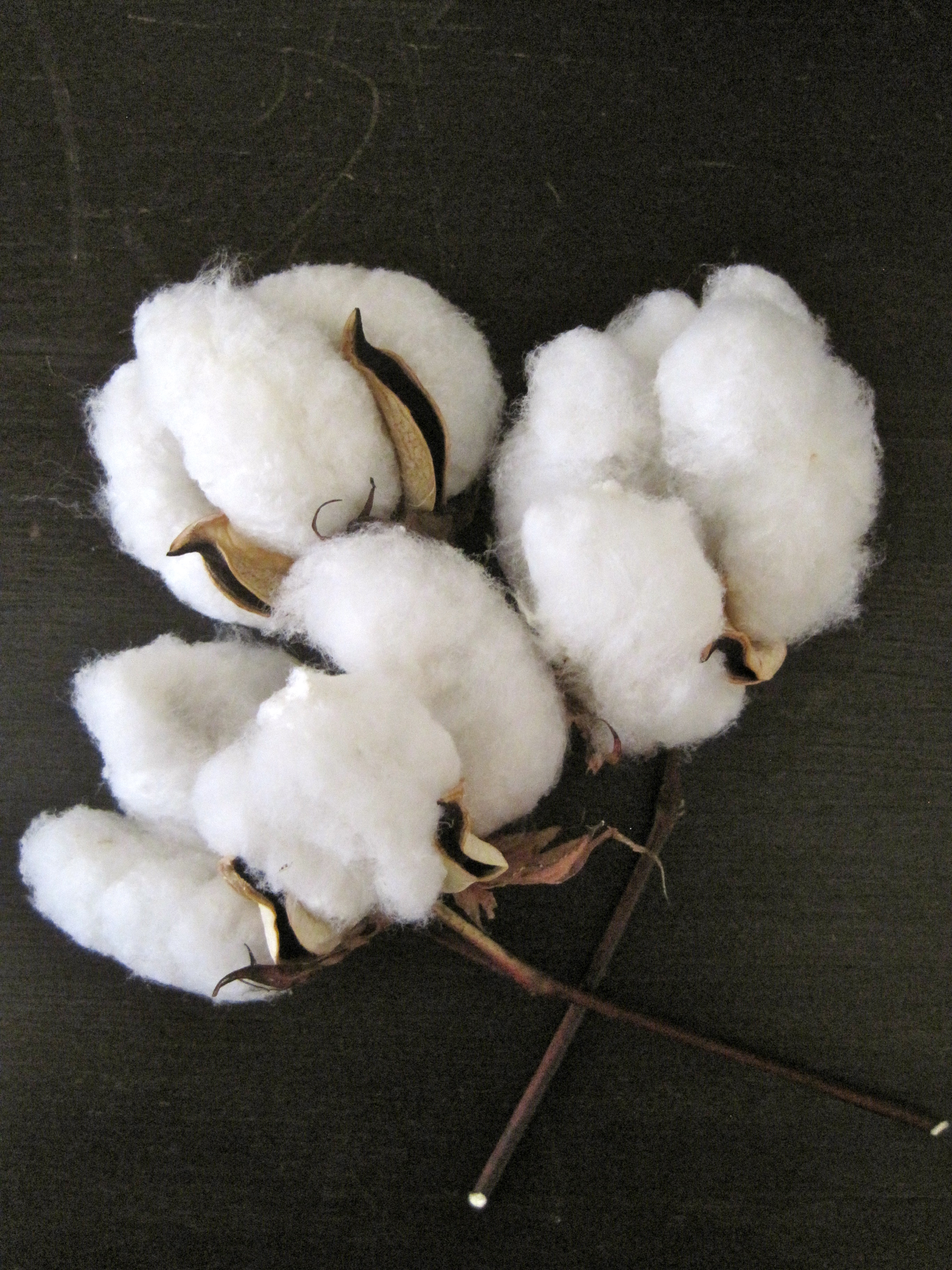
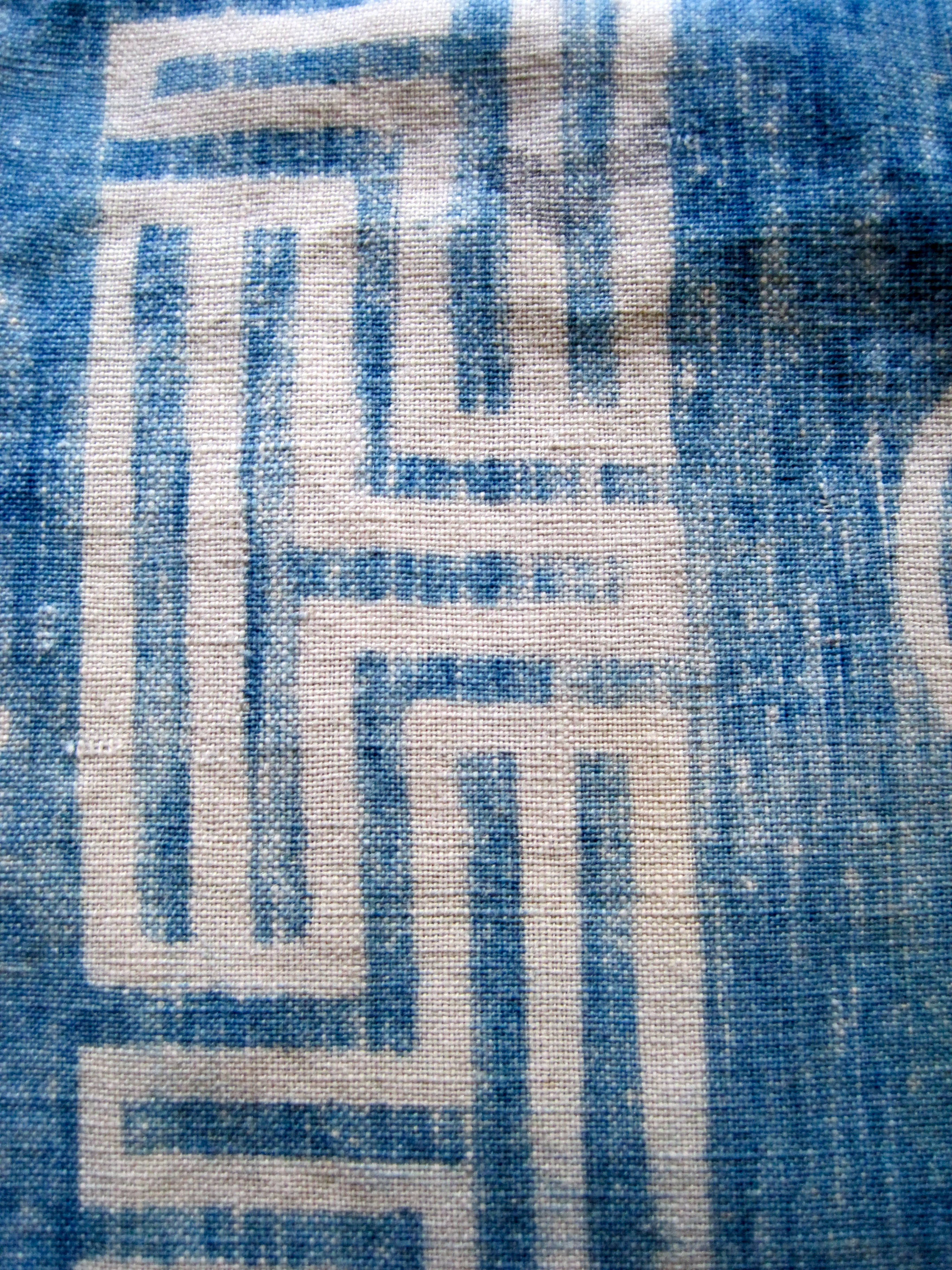
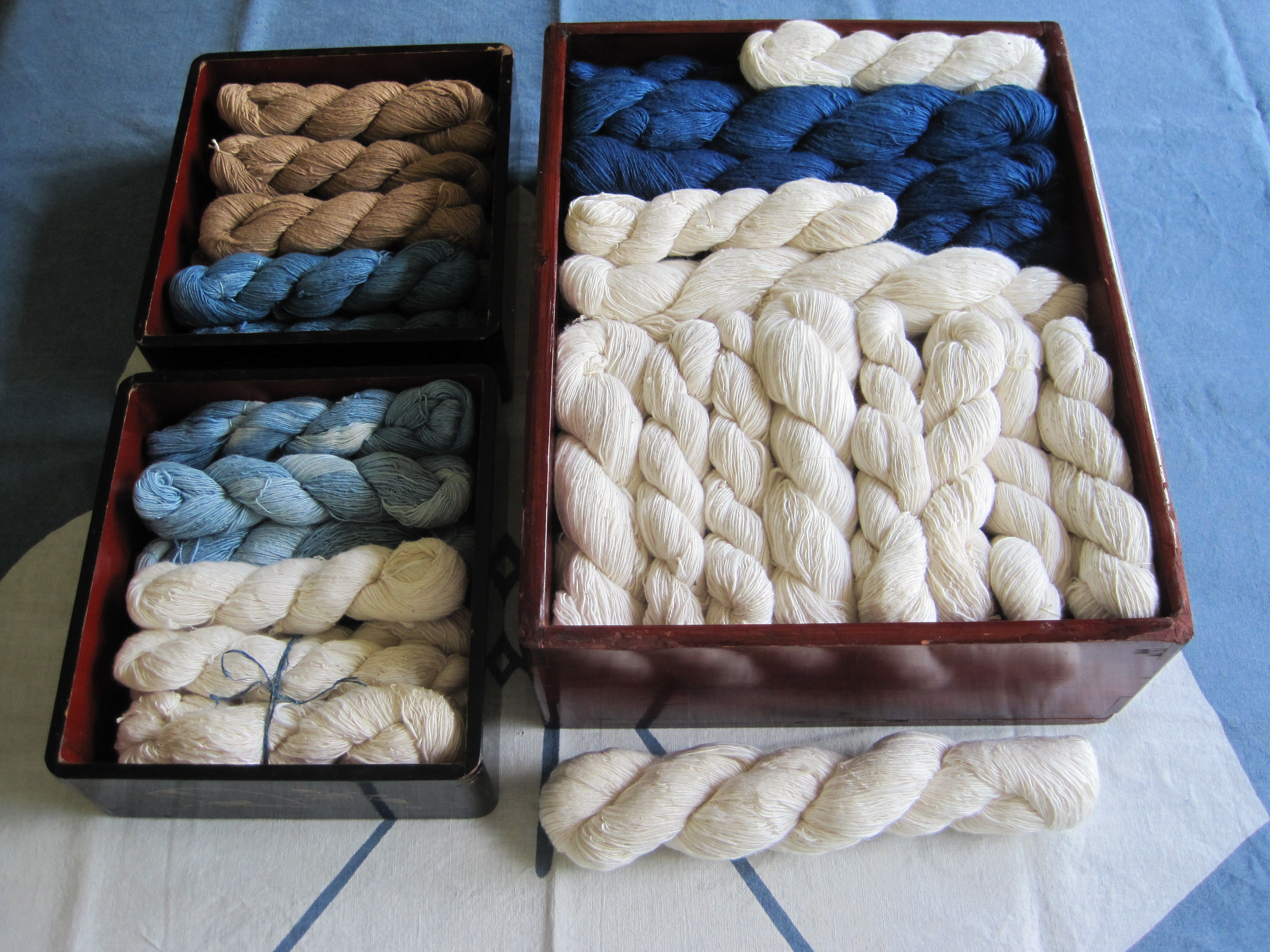
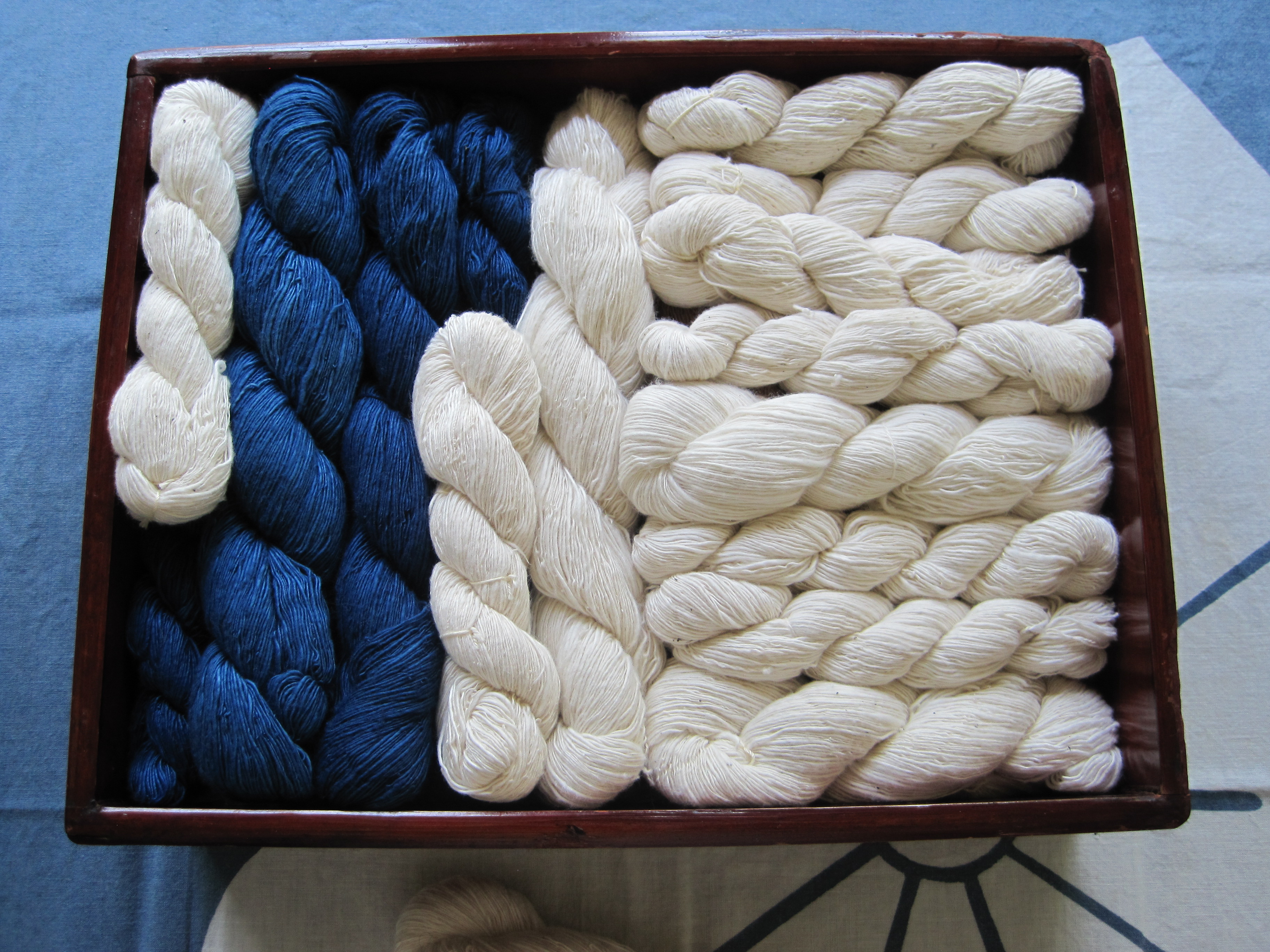
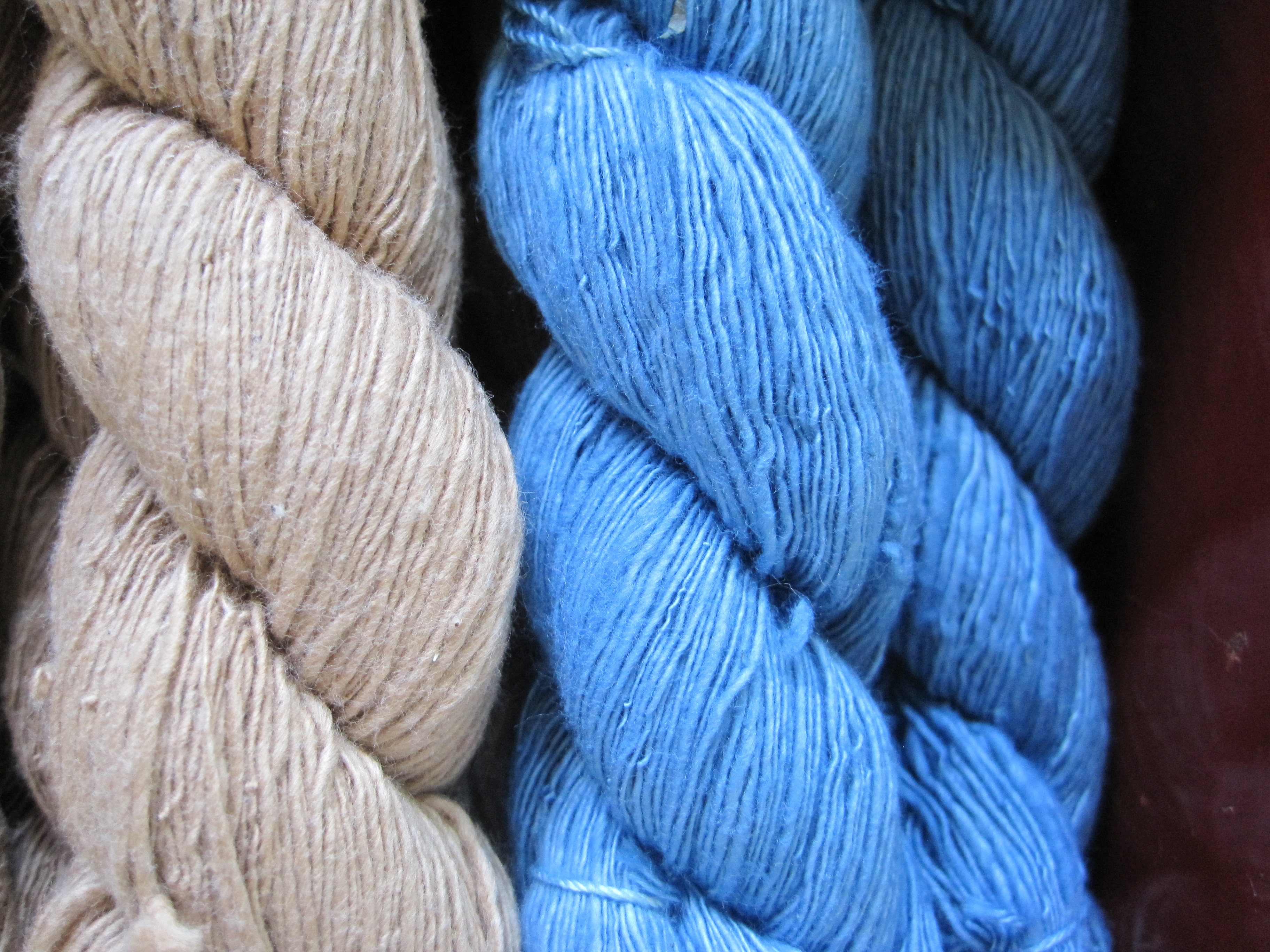
IMG_2218I’ve been spinning cotton for about 3 years now. I started by using a drop spindle and then moved to a spinning wheel and charkha. I have experimented spinning short staple, long staple upland and naturally colored cotton. Its really rewarding to dye upland cotton thread with indigo. Because of the luster in upland cotton the resulting color is bright and picks up different levels of color due to how much oxidation occurs. IMG_2212IMG_2215The process of spinning my own thread has allowed me understand the huge amount of patience and talent held by spinners dyers and weavers in the past. IMG_2216

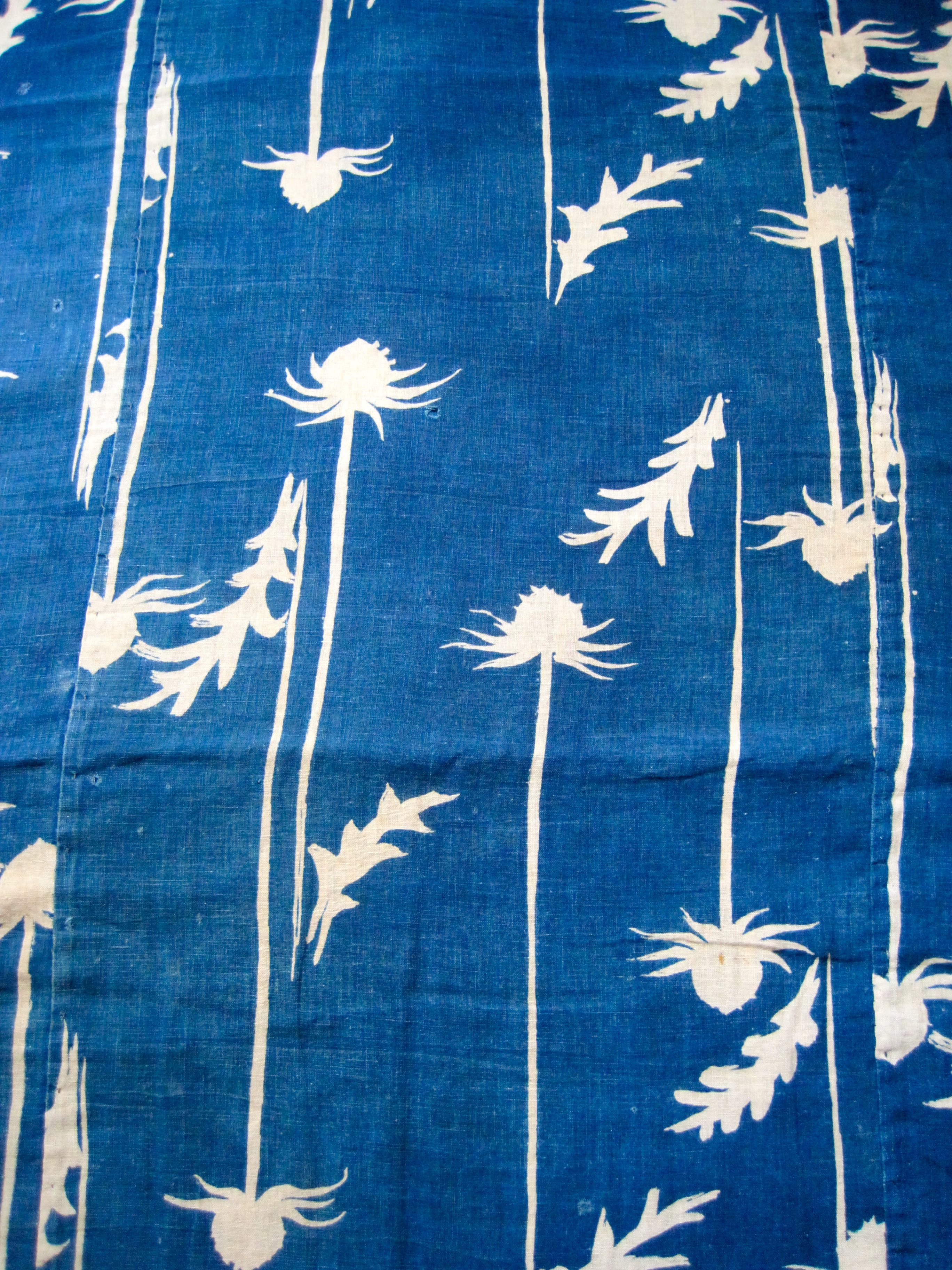
The most beautiful katazome ever

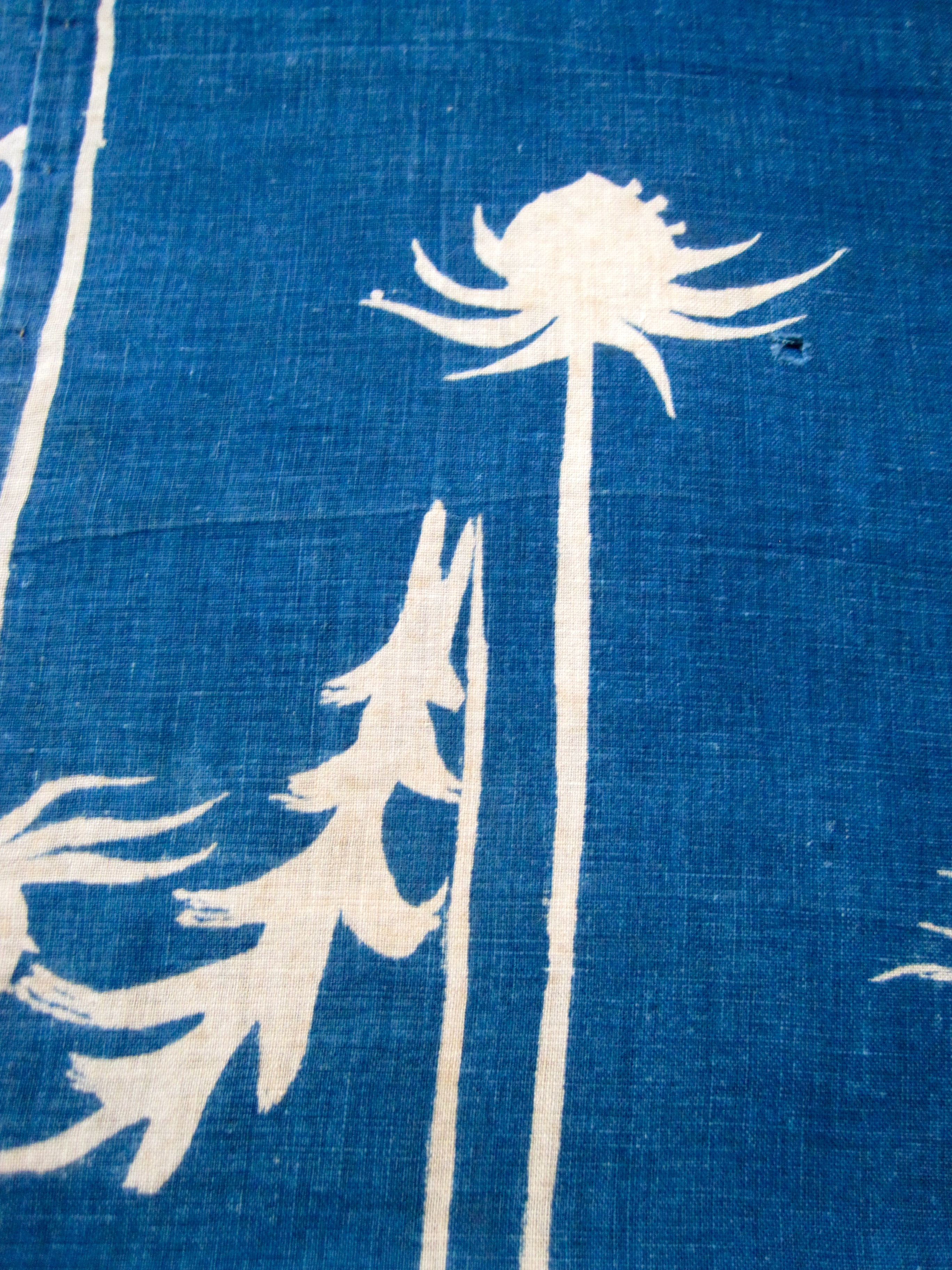
I found this katazome fabric a few years ago. It dates to the early 20th century and is made of machine made cotton. I think it must be the most beautiful katazome ever produced.IMG_2210IMG_2205IMG_2206

Katazome is produced by pushing rice paste through a stencil, traditionally made of handmade paper treated with unripe persimmon juice, onto fabric. The rice paste is allowed to dry slightly before being dyed. the rice paste is then washed off to reveal the design. I adore the design of elongated sea holly flowers on this fabric. I think this fabric was once used as a futon cover. what a beautiful pattern to fall asleep under.IMG_2208IMG_2209