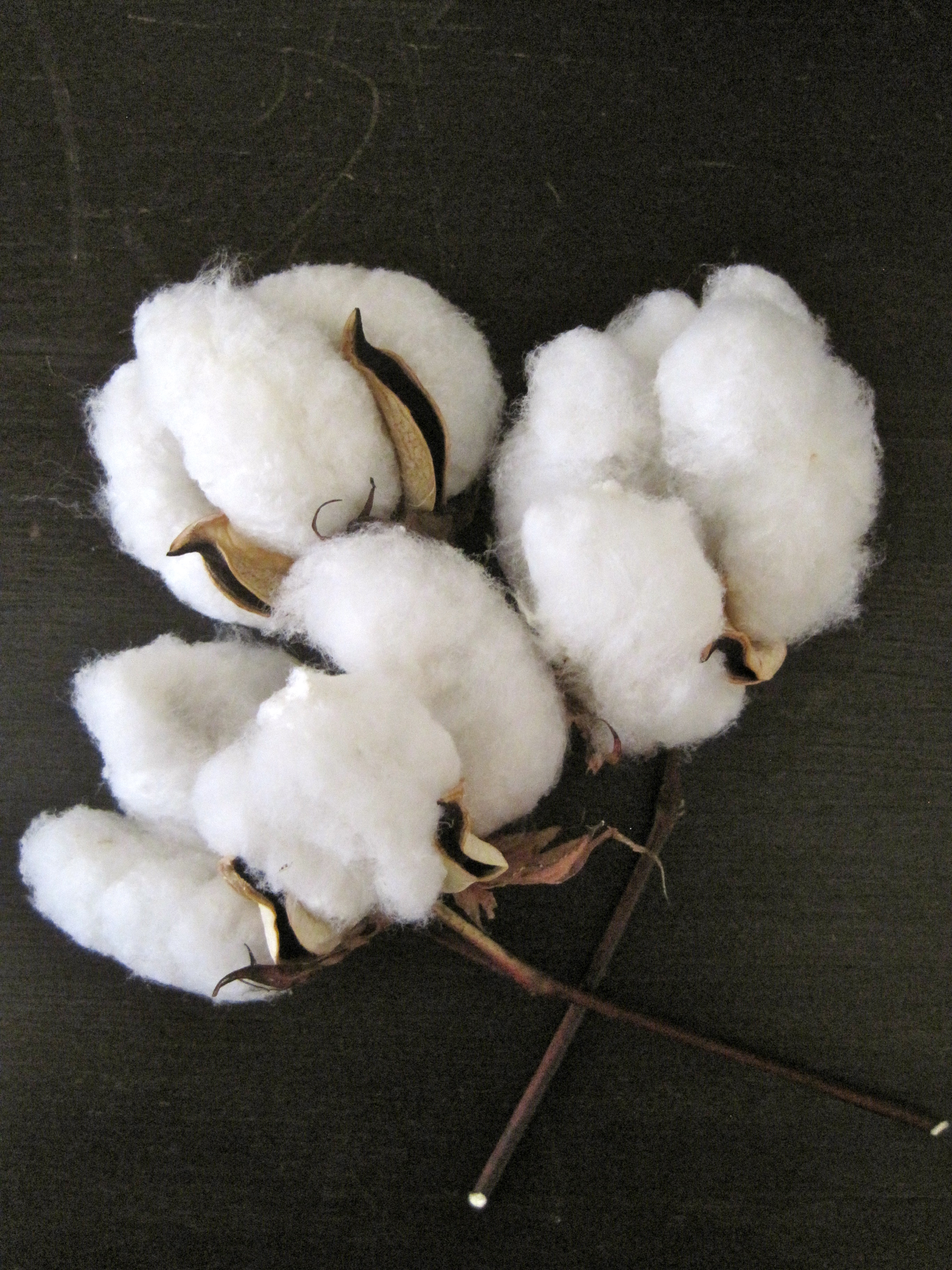
This is some of my first cotton of the year. I have been waiting all summer to see if my cotton plants would produce anything. 
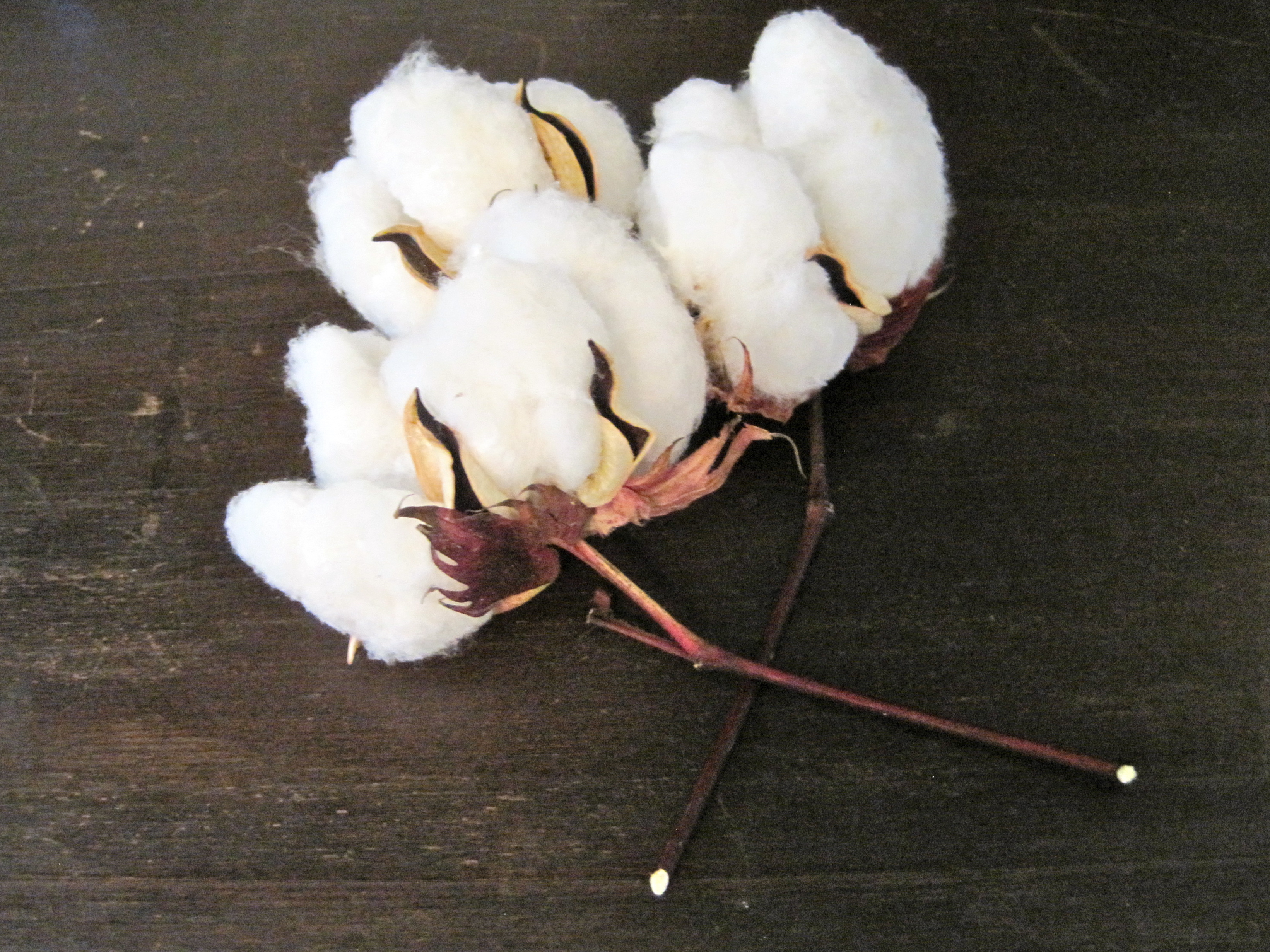
This is some of my first cotton of the year. I have been waiting all summer to see if my cotton plants would produce anything.
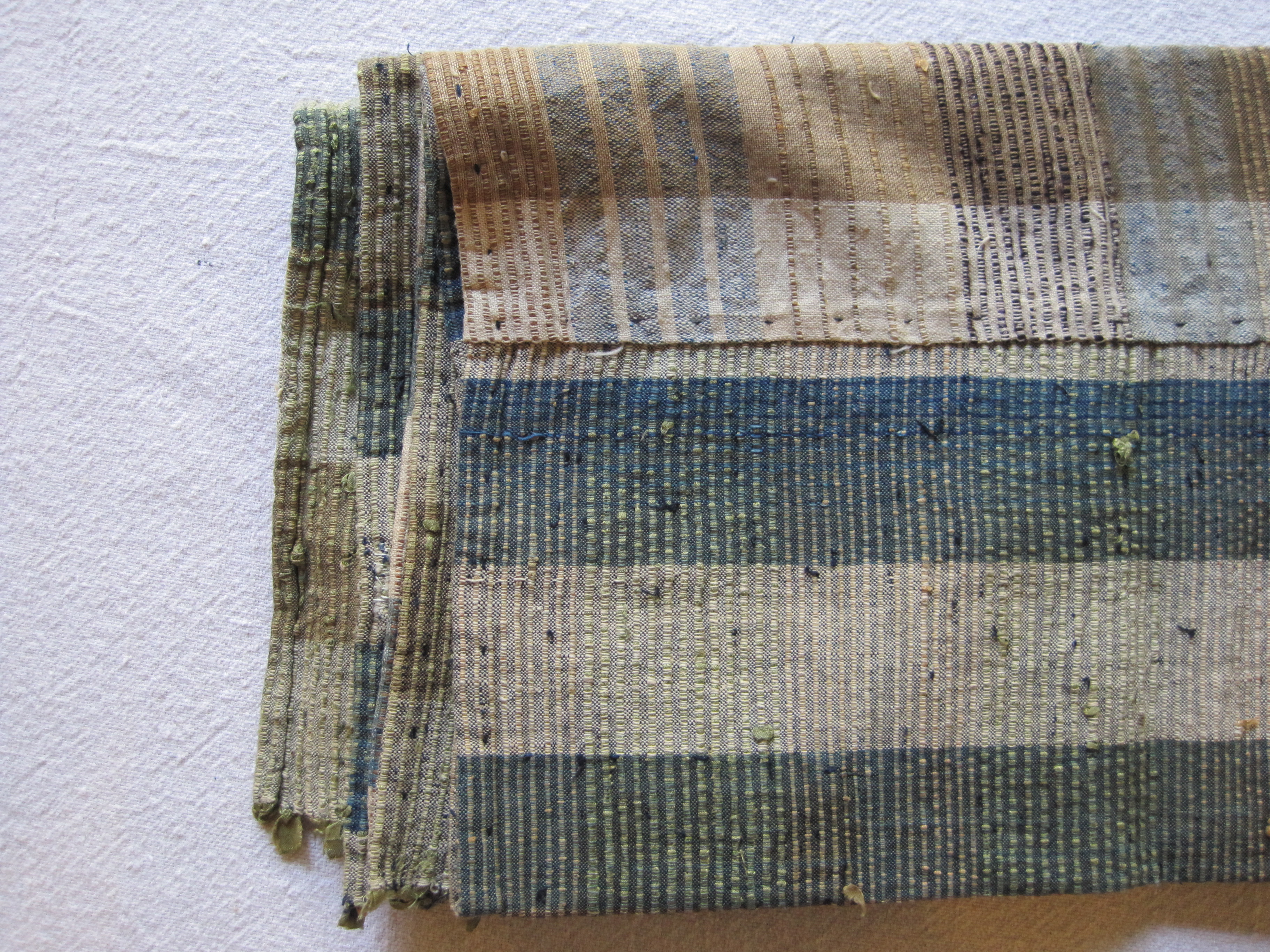
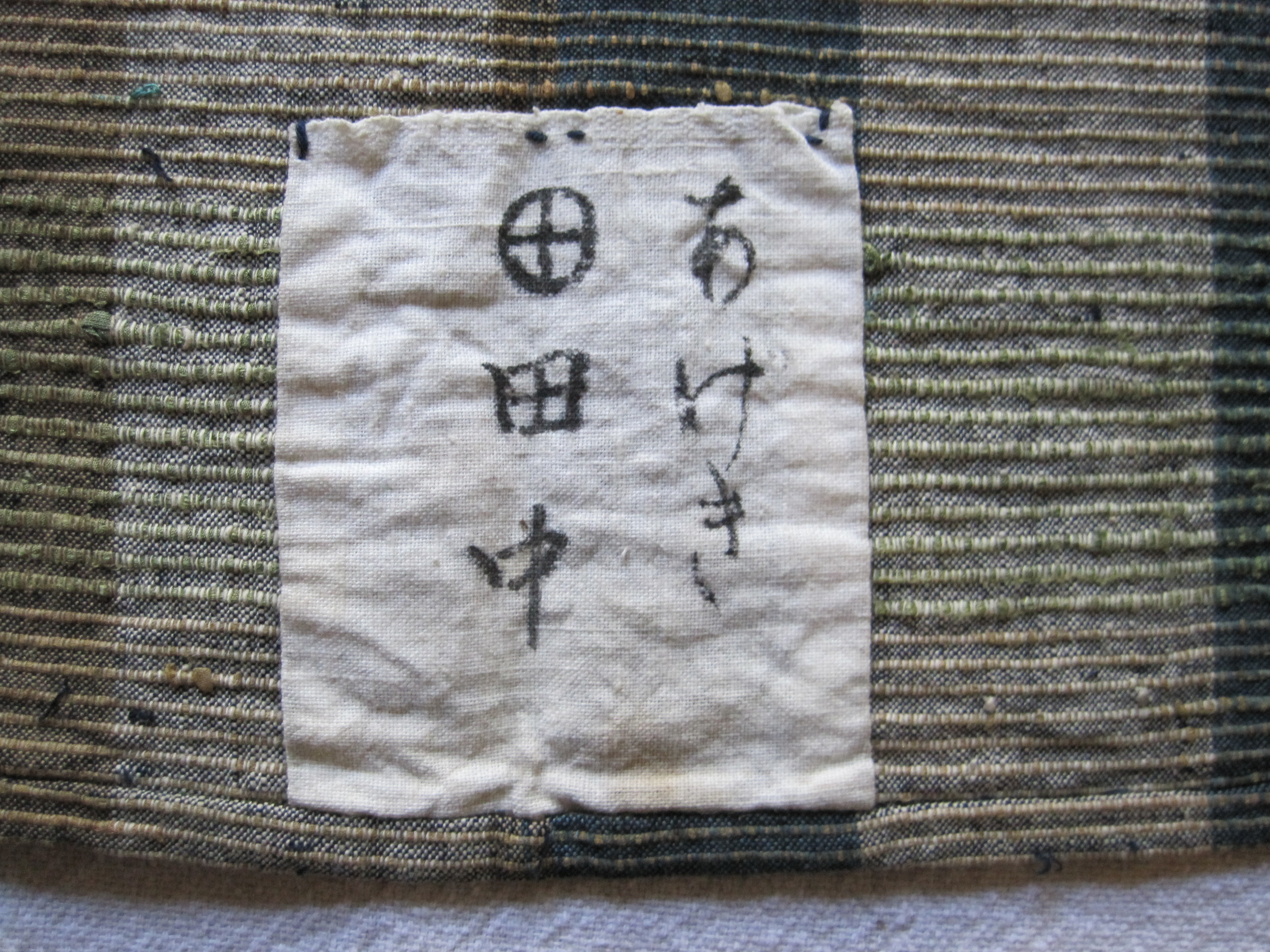
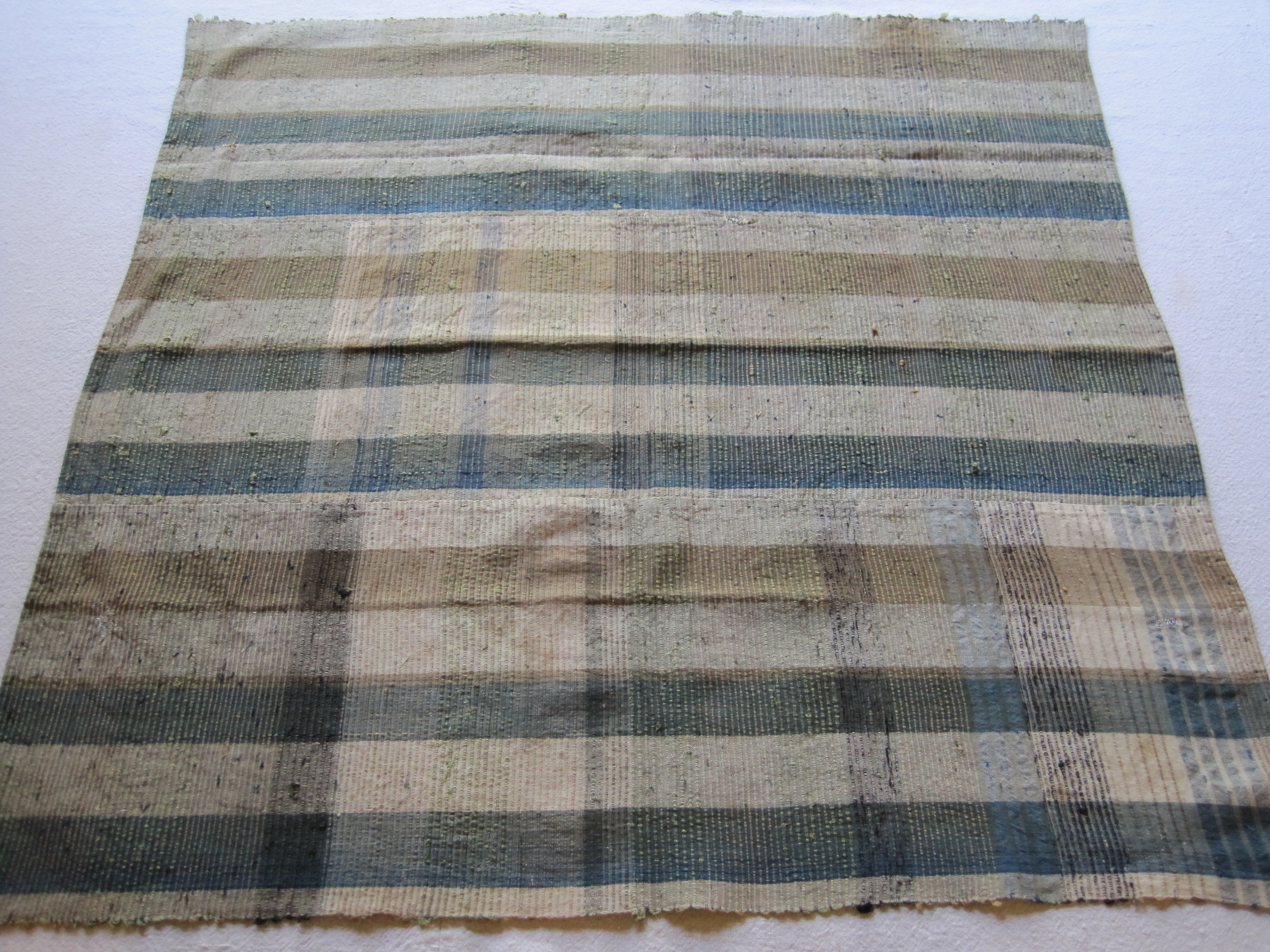
Here is a new piece of cotton zanshi fabric I found. Zanshiori is the fabric woven at the end of a bolt that has a random pattern due to the use of leftover threads. I love the feel of this fabric. the knots give it a homemade rustic feel. The worn colors of this piece are also really nice. some of the strips seem like they may have once been red or pink probably from a commercial dye that was prone to fade over time. the indigo blue has held up well and still holds a deep dark blue in some spots. 


this fabric can be purchased at: https://www.etsy.com/listing/158501070/antique-handwoven-japanese-zanshi-indigo?ref=shop_home_active
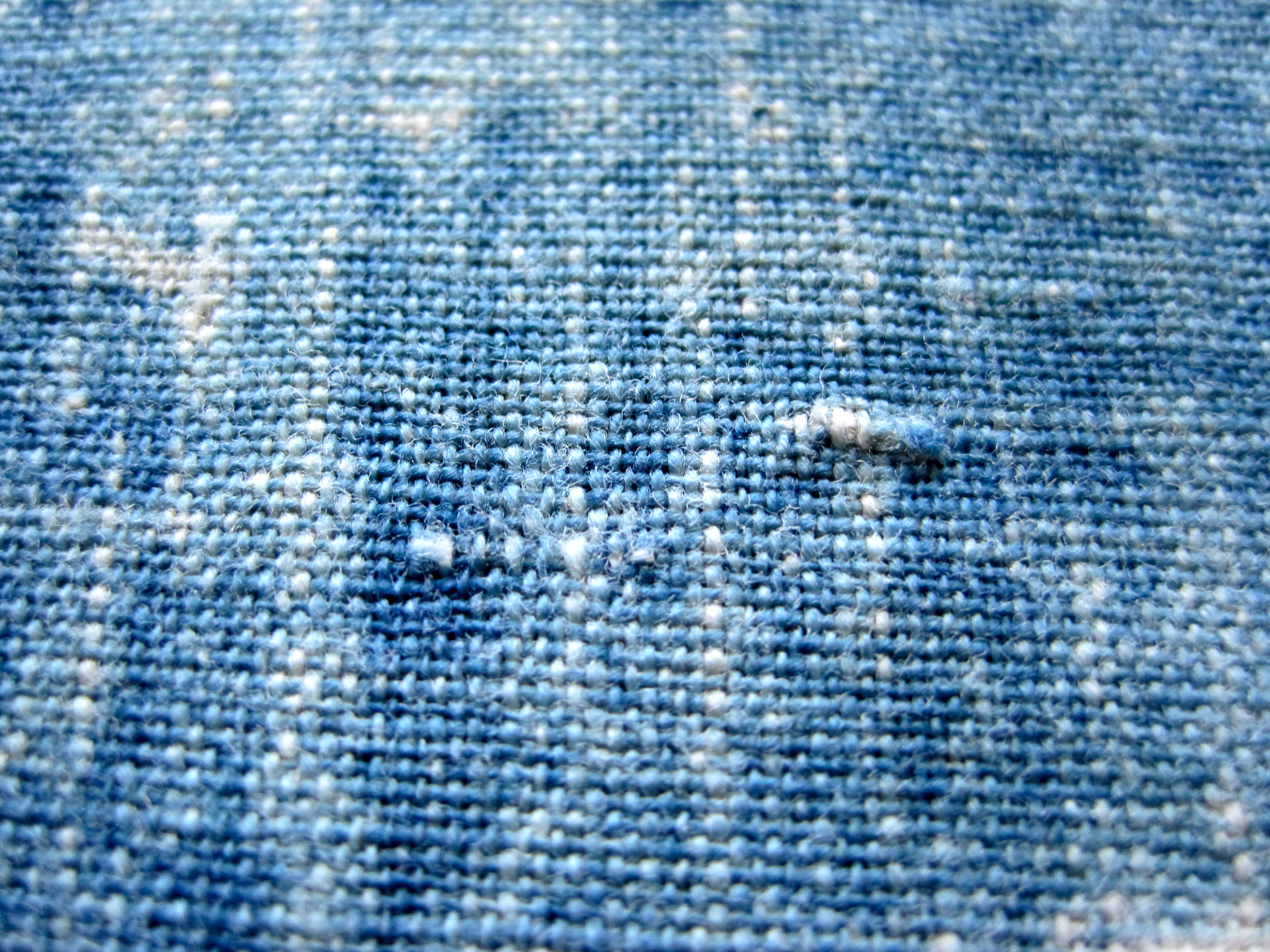
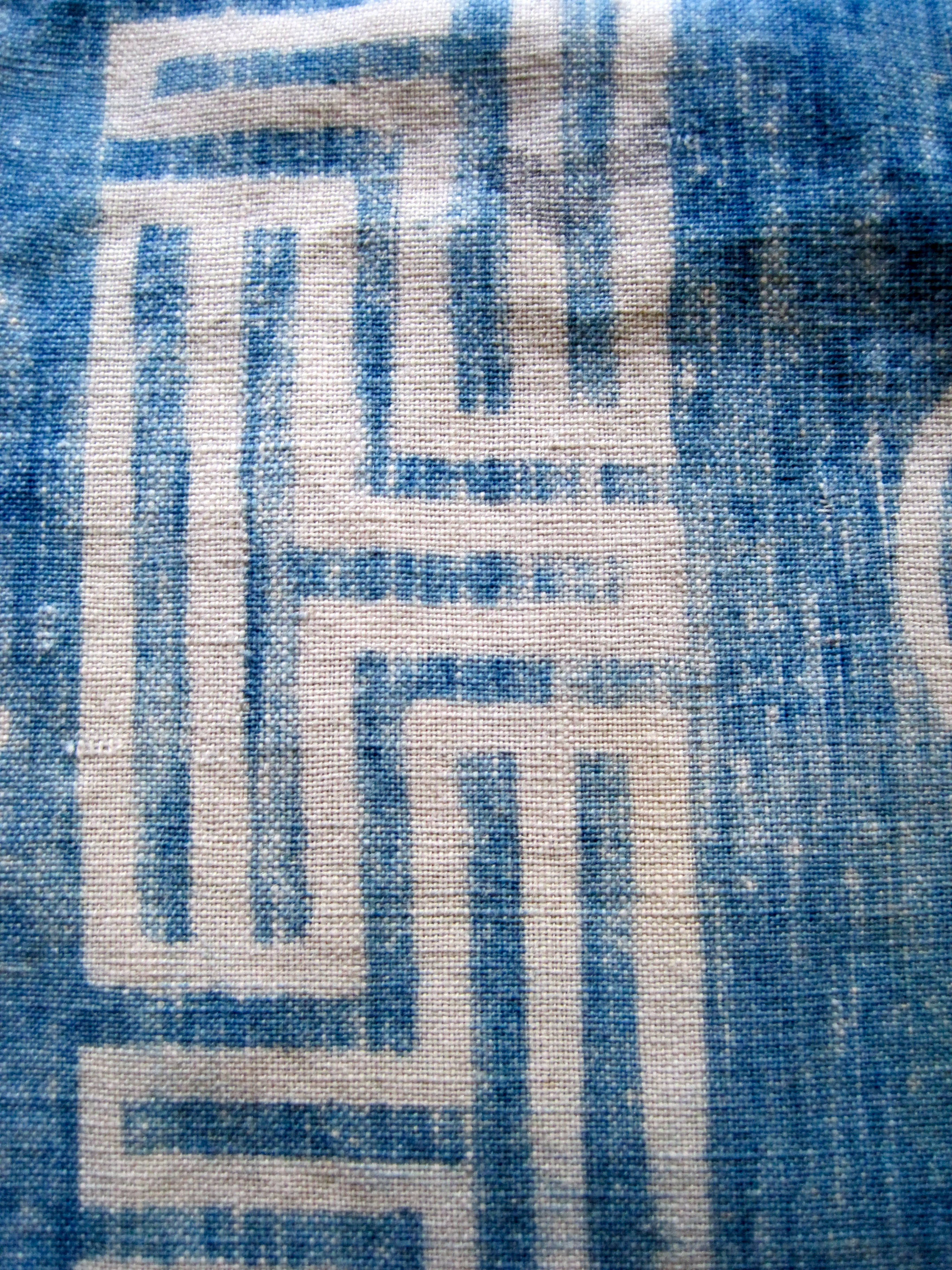
This is a completely hand made cotton textile. I think it dates to the late Edo or early Meiji period. The fabric is soft and worn and has probably seen many different uses in its long life. The pattern is odd and I haven’t seen many others like it. I love the way the indigo has worn to produce an almost ikat pattern under the applied katazome decorations.

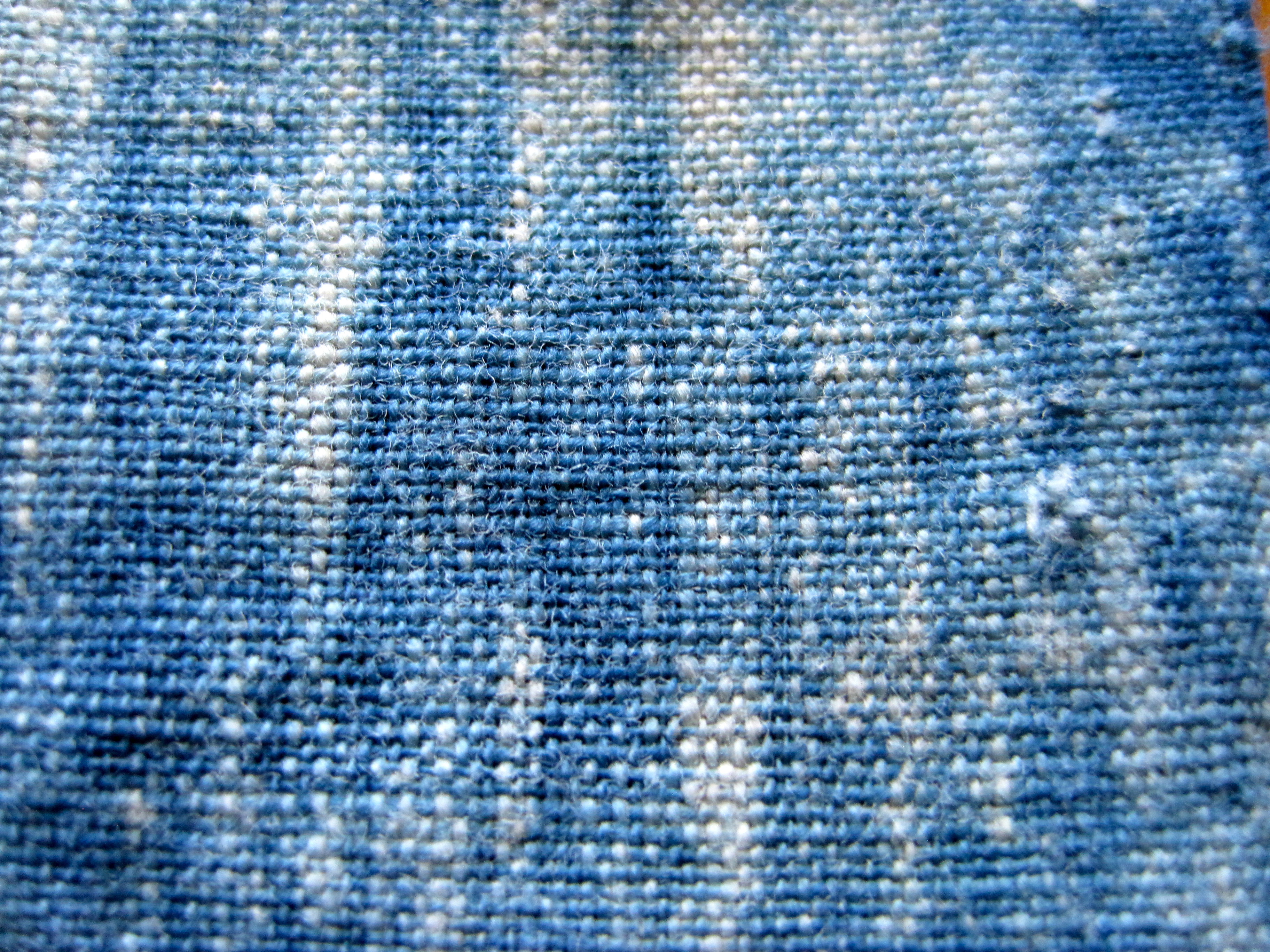
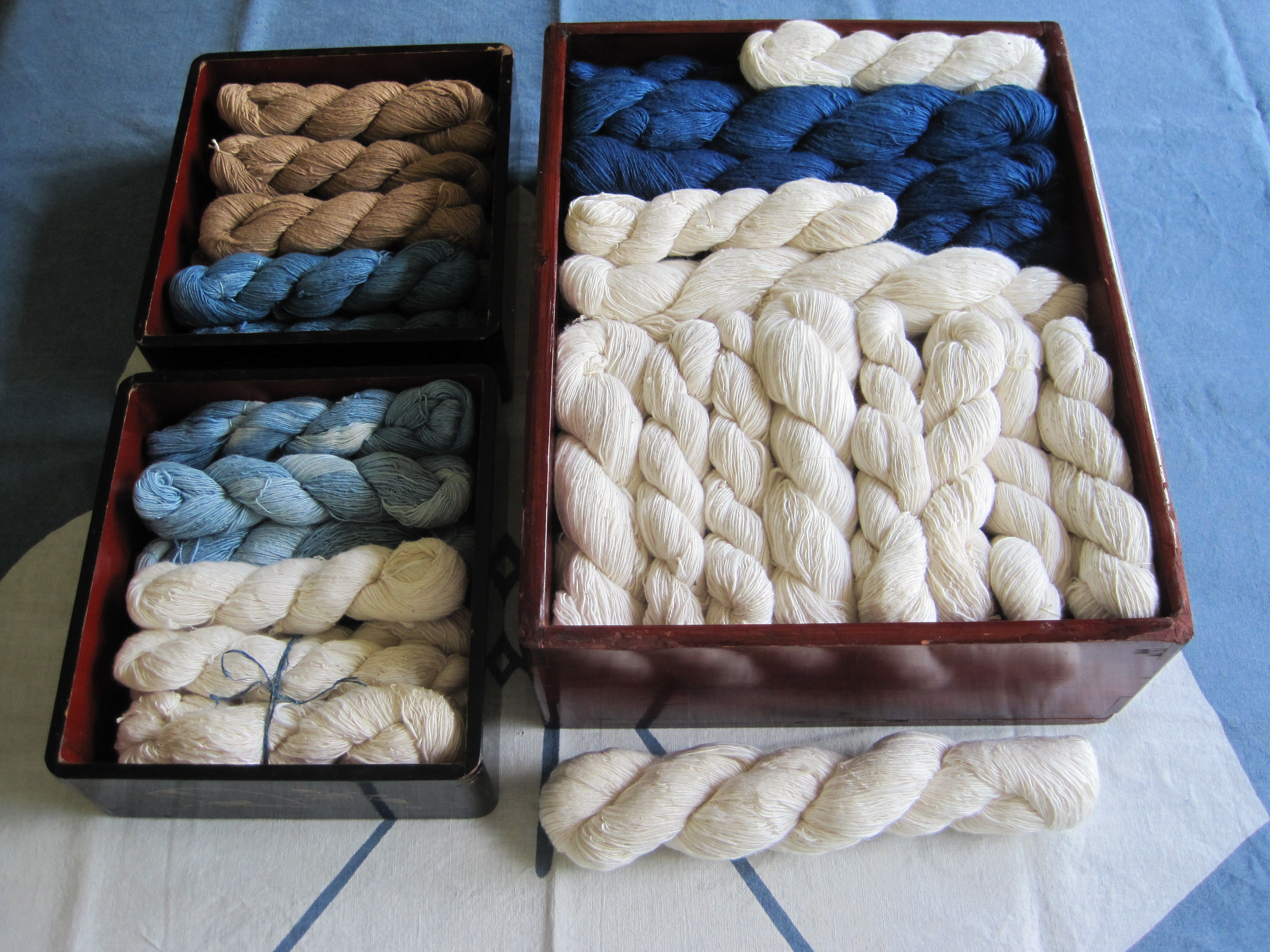 I’ve been spinning cotton for about 3 years now. I started by using a drop spindle and then moved to a spinning wheel and charkha. I have experimented spinning short staple, long staple upland and naturally colored cotton. Its really rewarding to dye upland cotton thread with indigo. Because of the luster in upland cotton the resulting color is bright and picks up different levels of color due to how much oxidation occurs.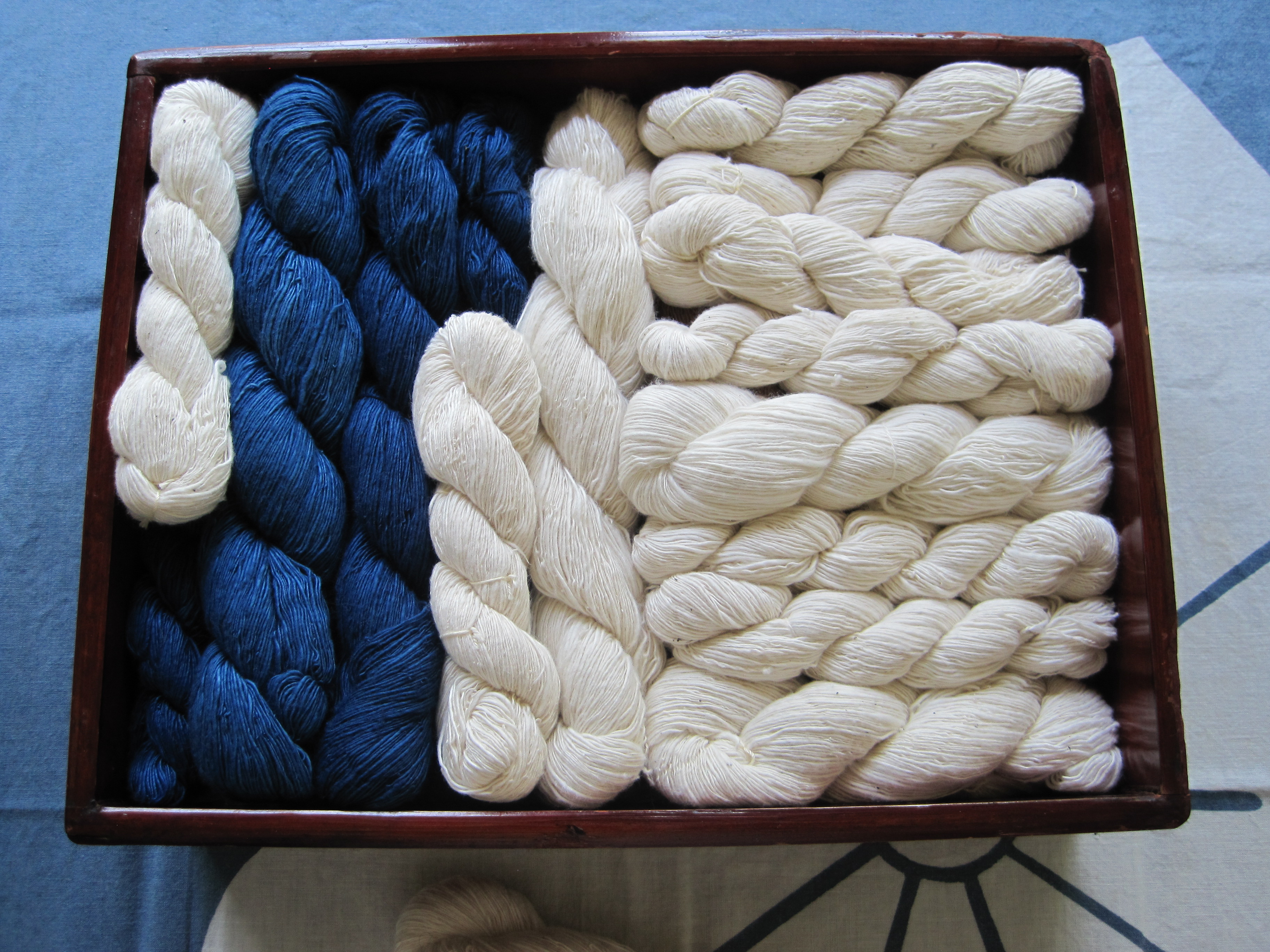
 The process of spinning my own thread has allowed me understand the huge amount of patience and talent held by spinners dyers and weavers in the past.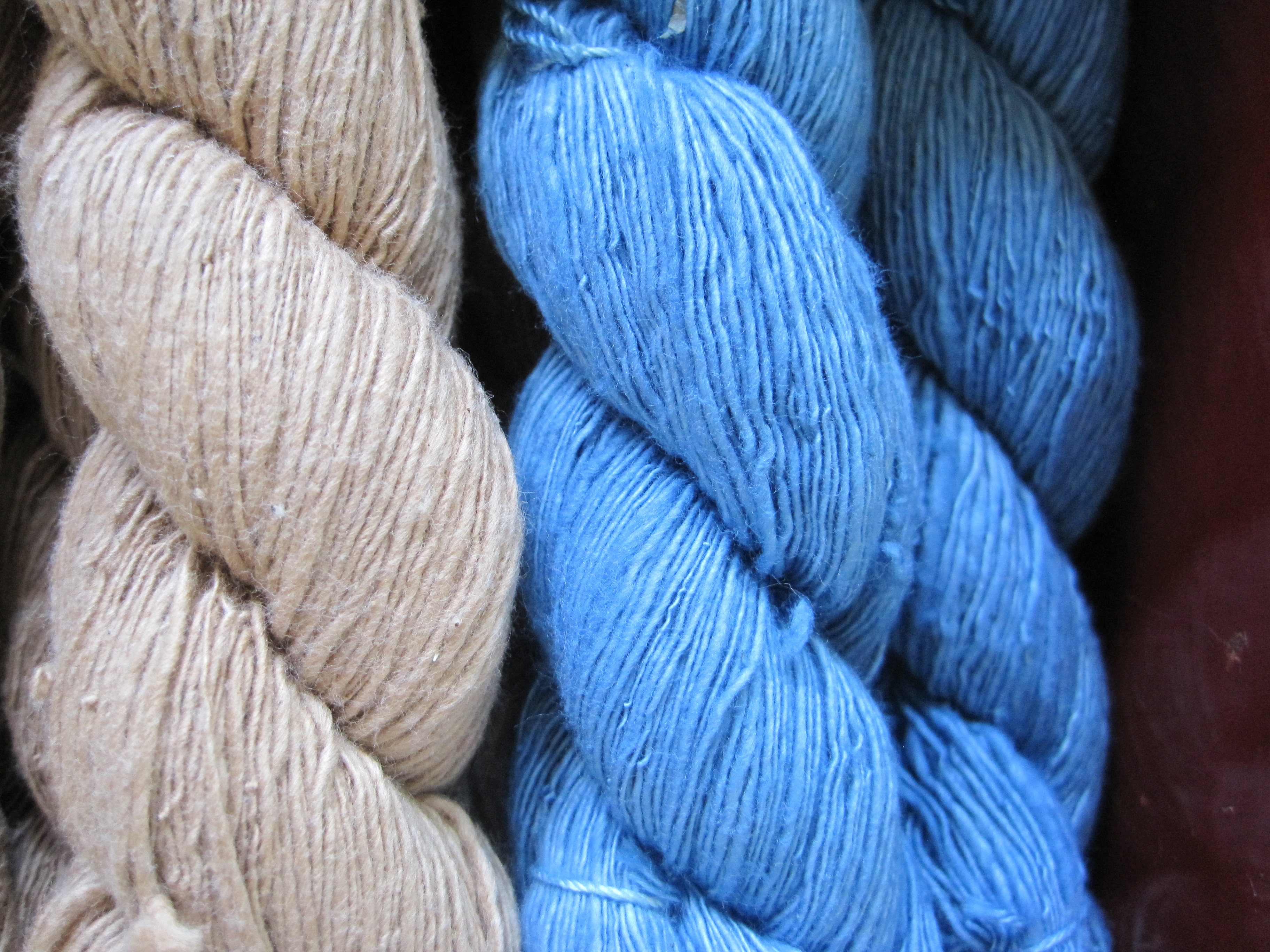
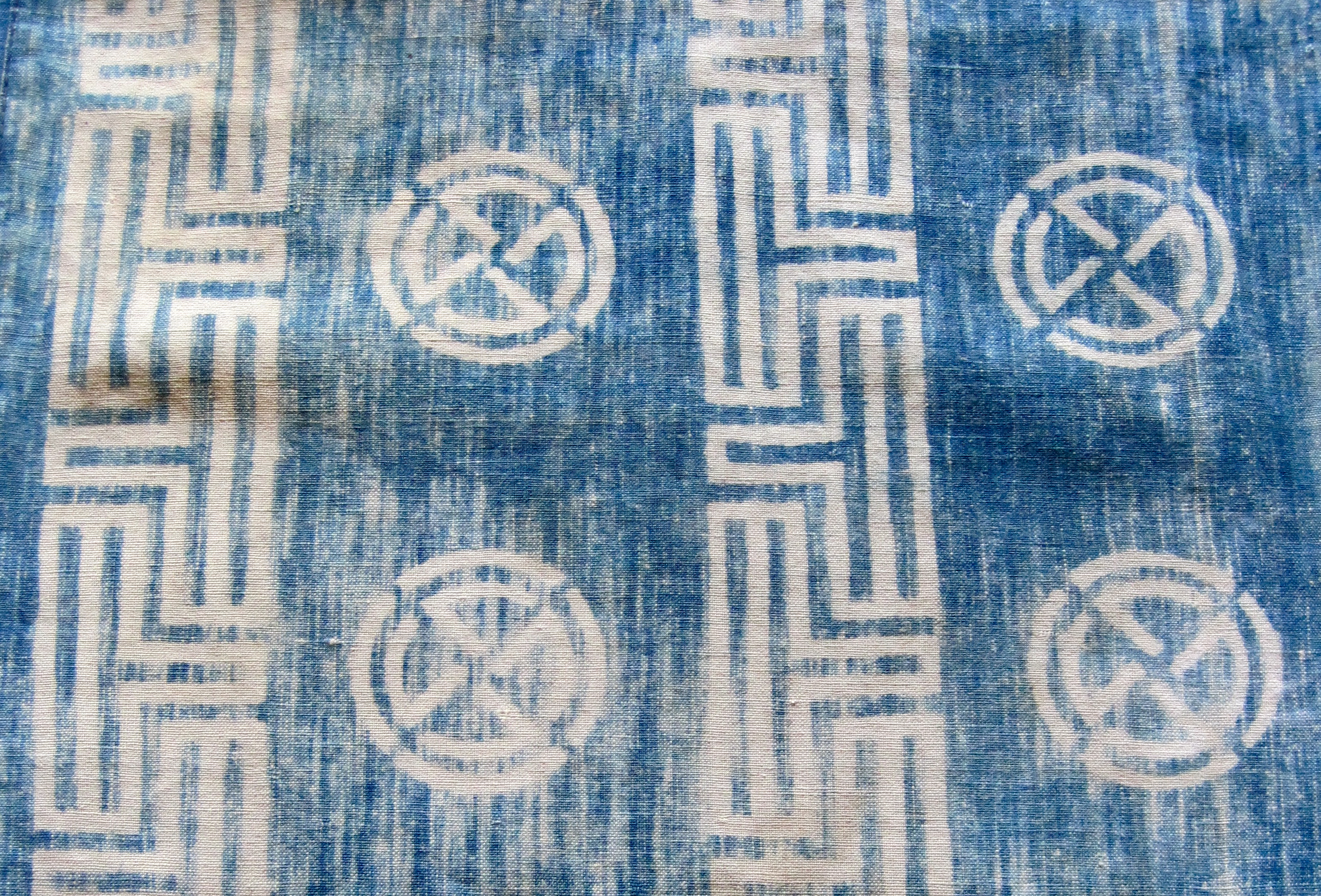
I found this katazome fabric a few years ago. It dates to the early 20th century and is made of machine made cotton. I think it must be the most beautiful katazome ever produced.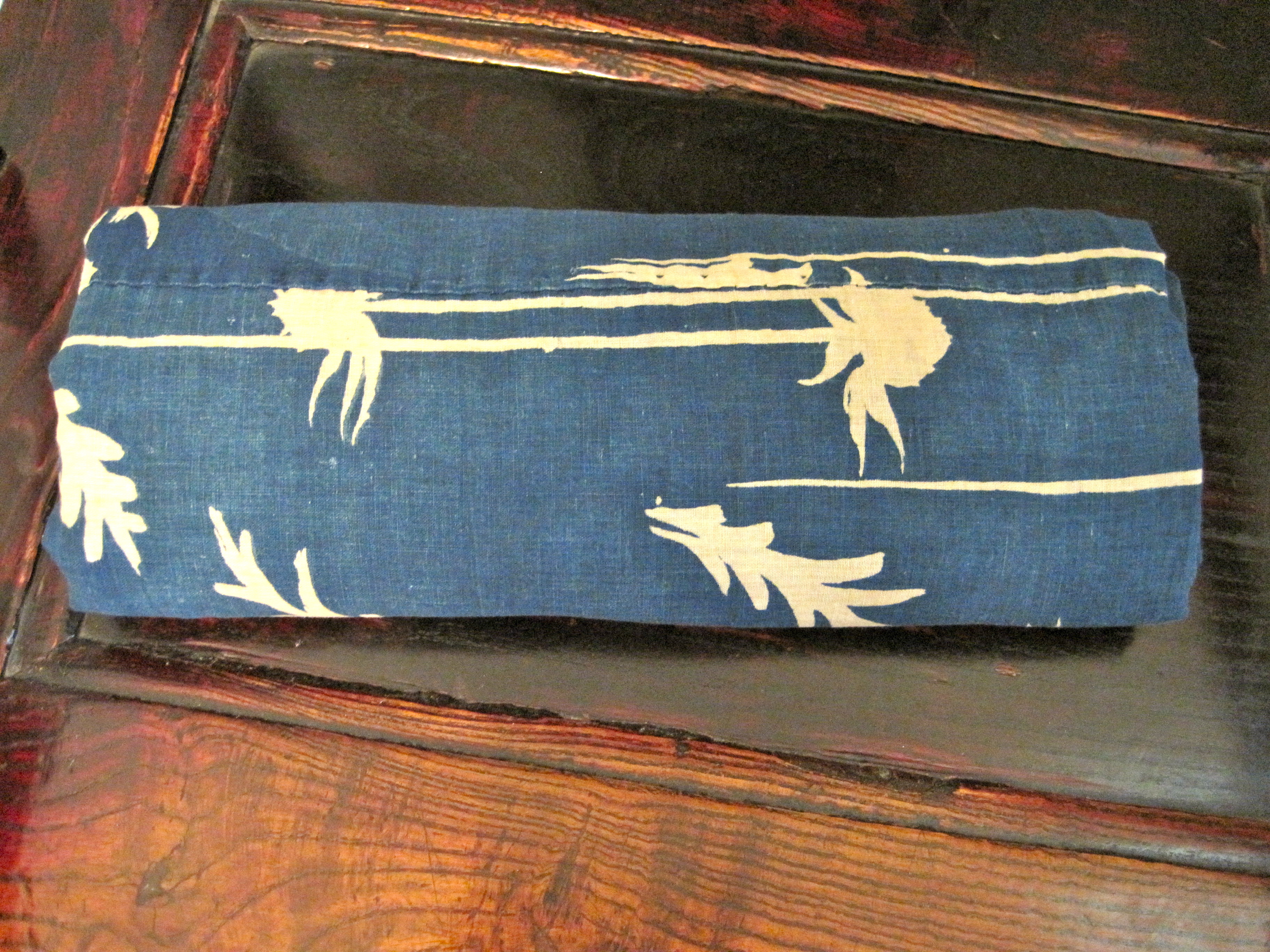
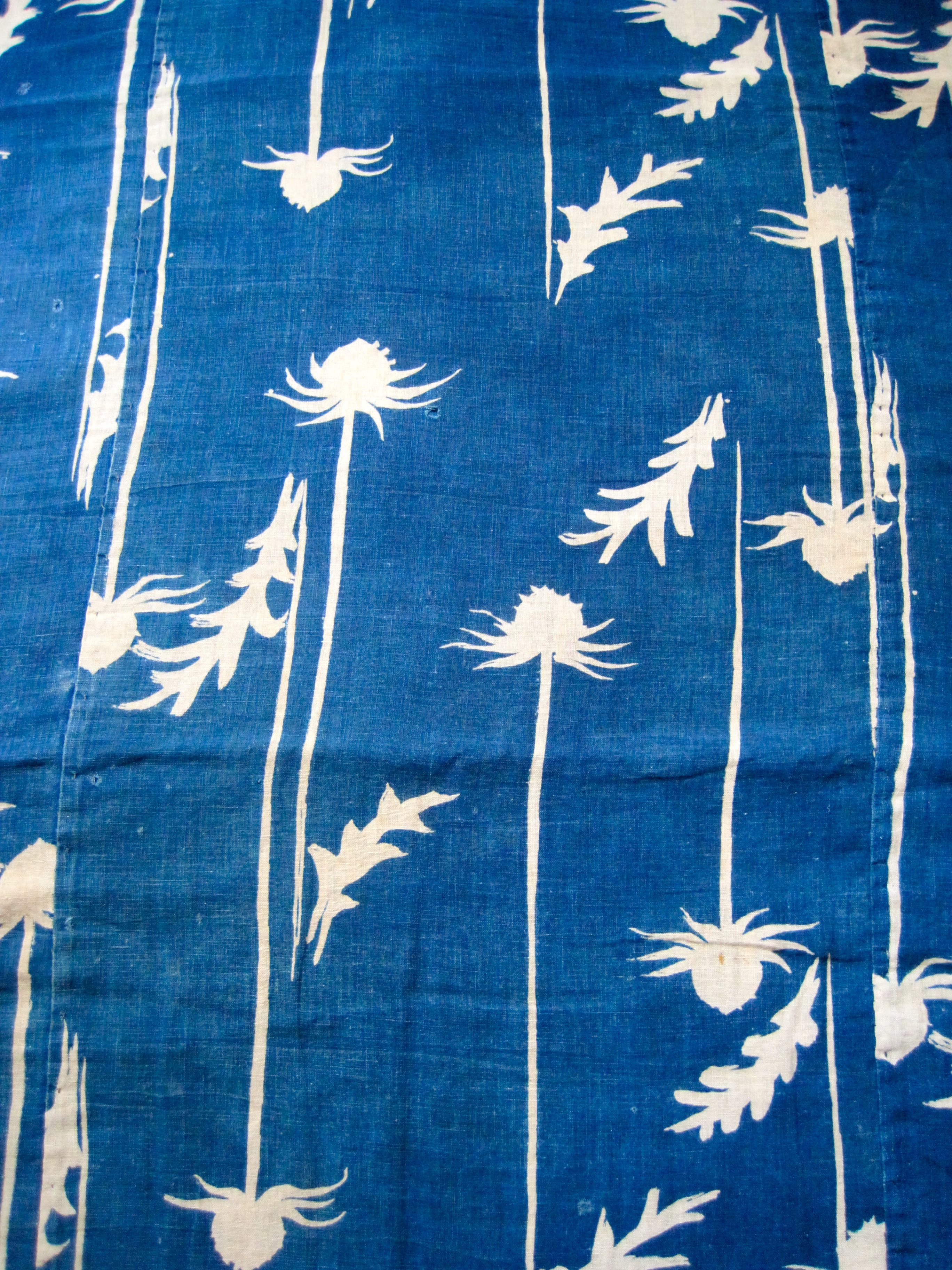
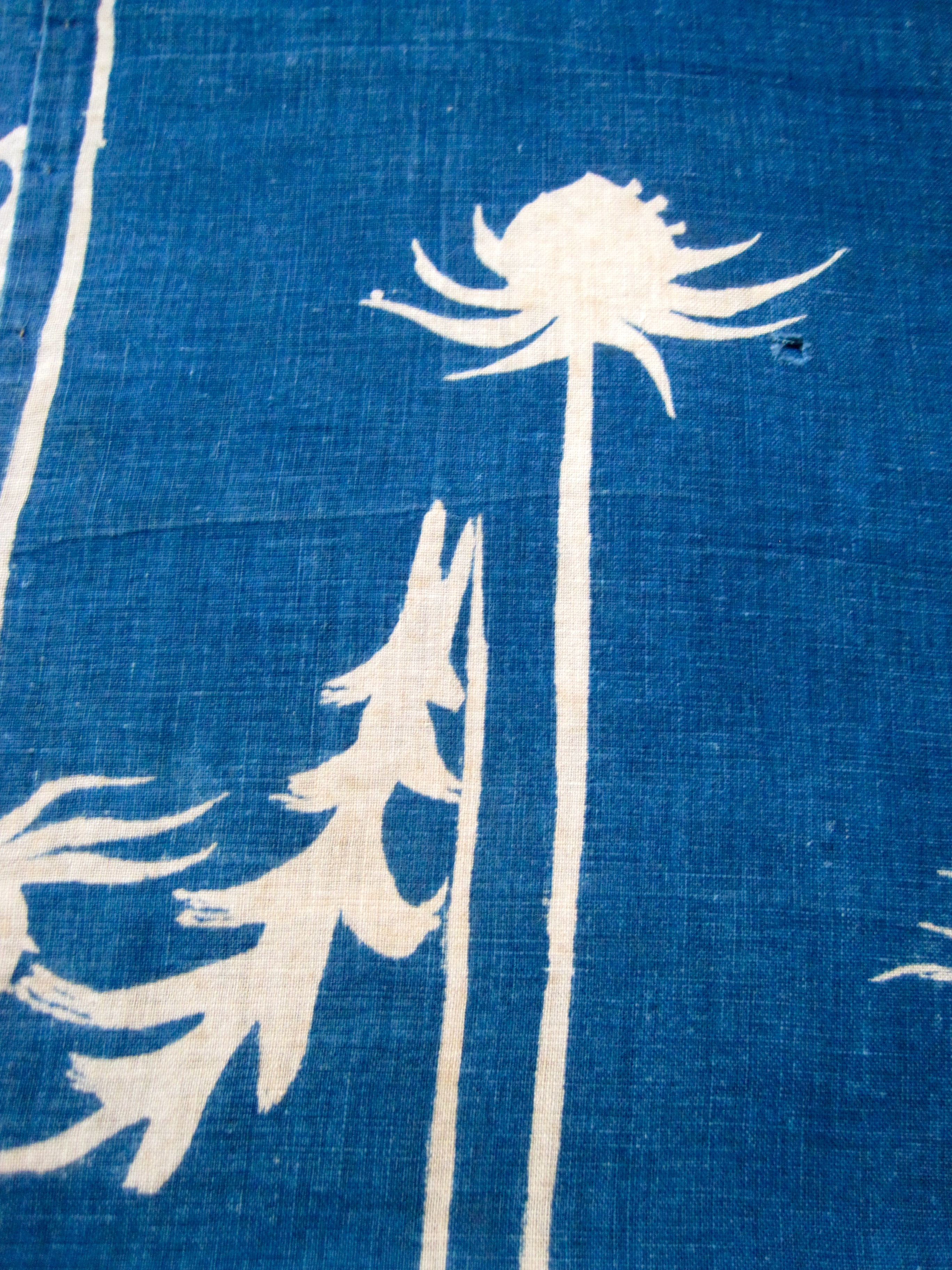
Katazome is produced by pushing rice paste through a stencil, traditionally made of handmade paper treated with unripe persimmon juice, onto fabric. The rice paste is allowed to dry slightly before being dyed. the rice paste is then washed off to reveal the design. I adore the design of elongated sea holly flowers on this fabric. I think this fabric was once used as a futon cover. what a beautiful pattern to fall asleep under.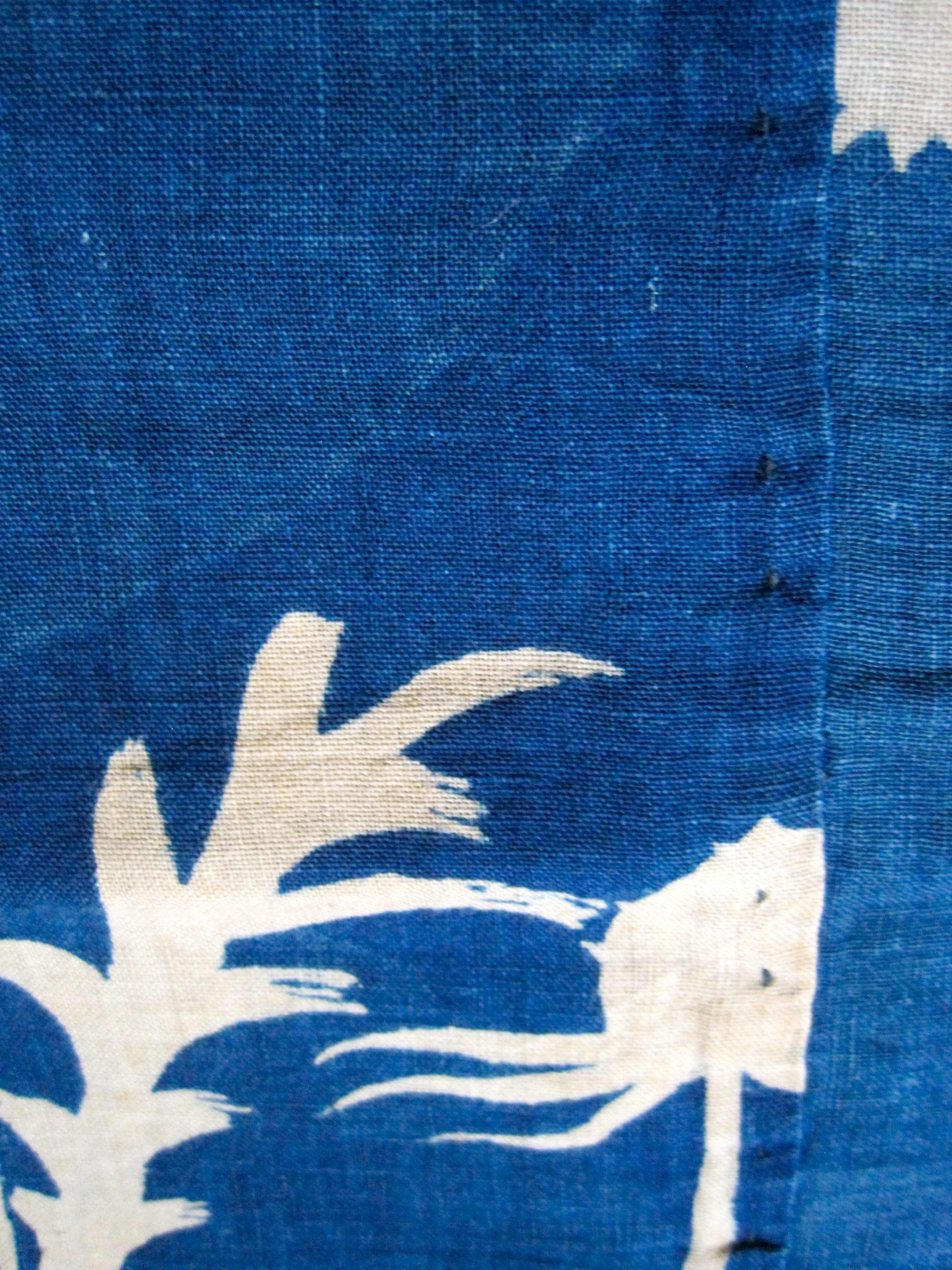
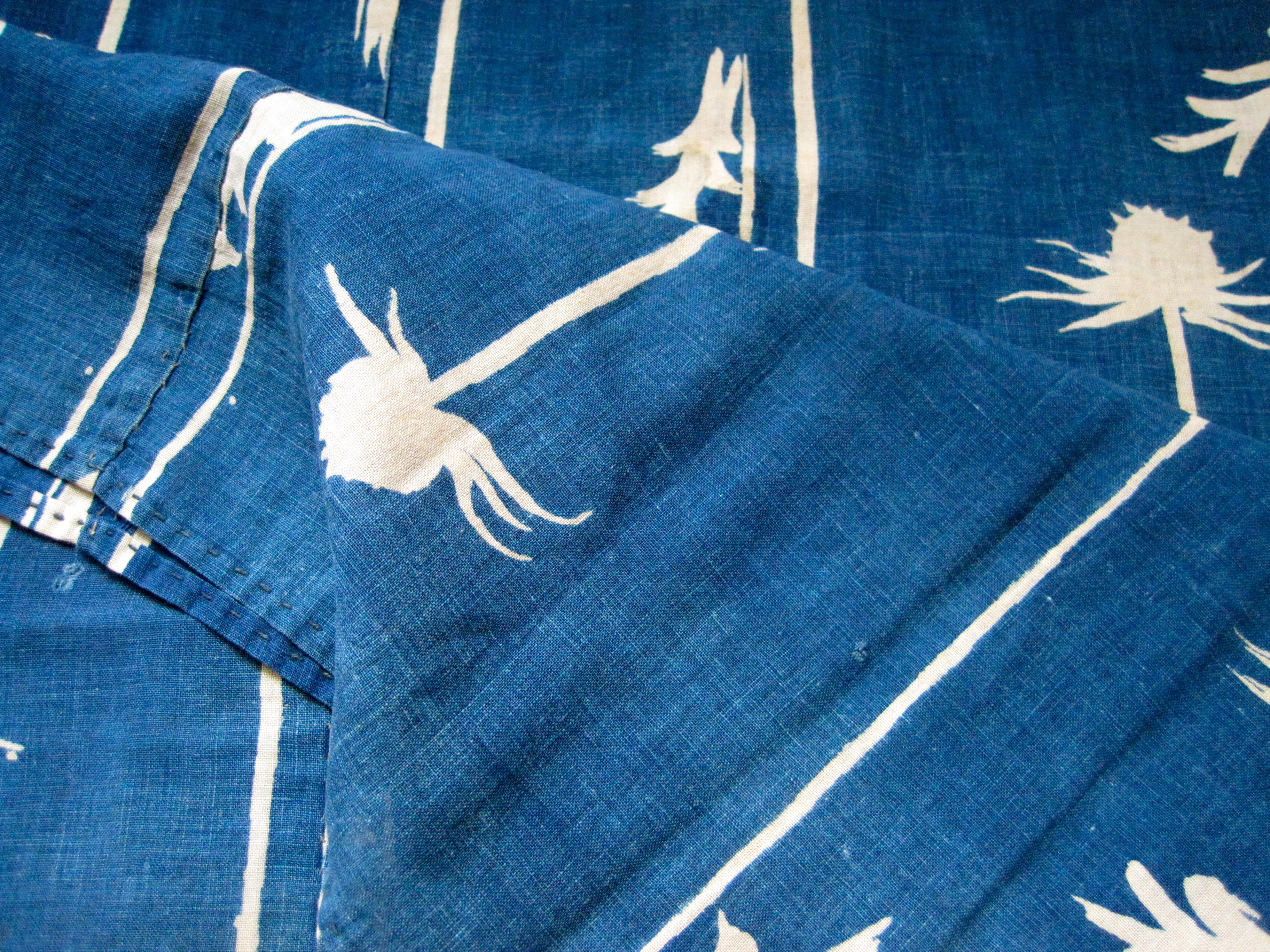

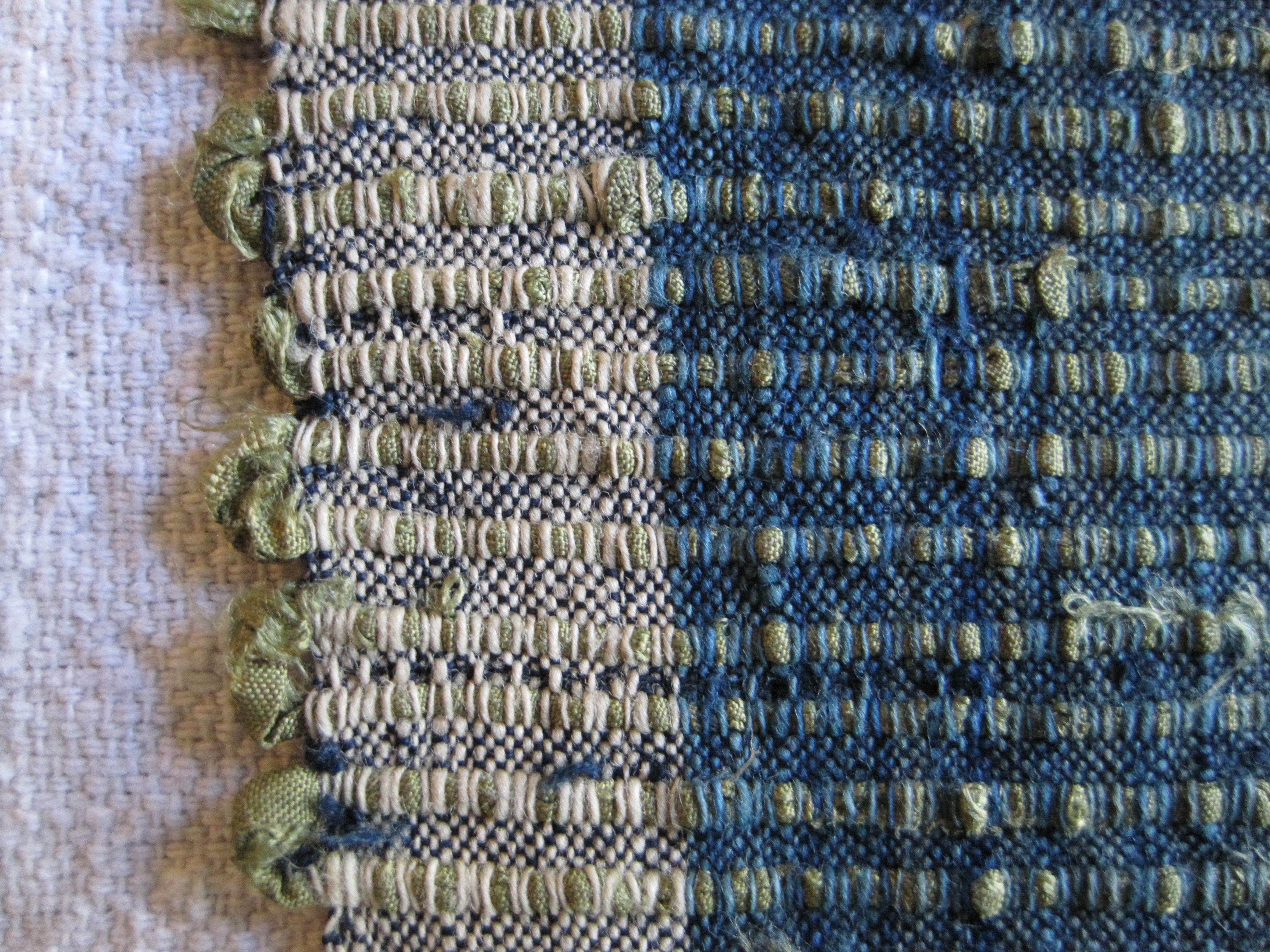
Here is some Zanshi or “left over thread” fabric I recently found. Zanshi was traditionally woven at the end of a bolt of kimono fabric. Once the kimono length had been woven the weaver would use up left over threads and bits and pieces left at the ends of bobbins to fill up the end length of warp. The resulting fabric was used for domestic purposes while the kimono bolt was more than likely sold. Zanshi was used most often for futon covers or work clothing. Notice the variation in pattern due to the different colors of left over threads.


In these last two photos you can see the numerous knots used to bind the left over threads.

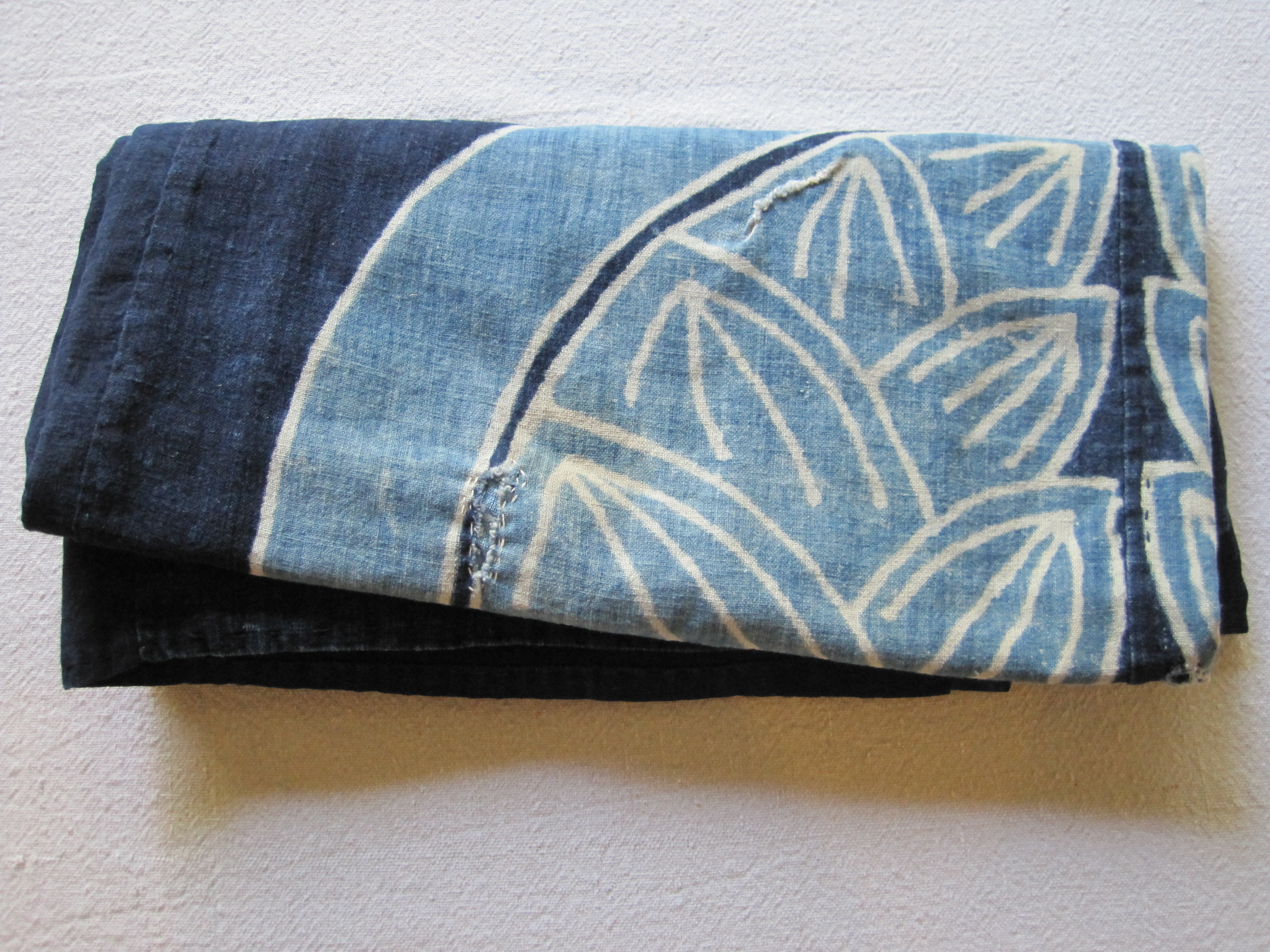
This furoshiki or “carrying cloth” was made from rustic hand spun cotton. The design of a ginger flower kamon against a deep indigo background was achieved through the process of tsutsugaki. Rice paste was pushed through a small metal tip affixed to a paper bag. After the design had been executed the fabric was dyed and then washed to reveal the outline of the ginger flower kamon. rice paste would have then been applied again to the areas that are now white before drying for a second time.
The deep indigo color of the background could have taken, as many as, 20 dips into the indigo dye vat to achieve, while the light blue of the kamon more than likely only took a few. This attests to the great skill of old Japans rural dyers.
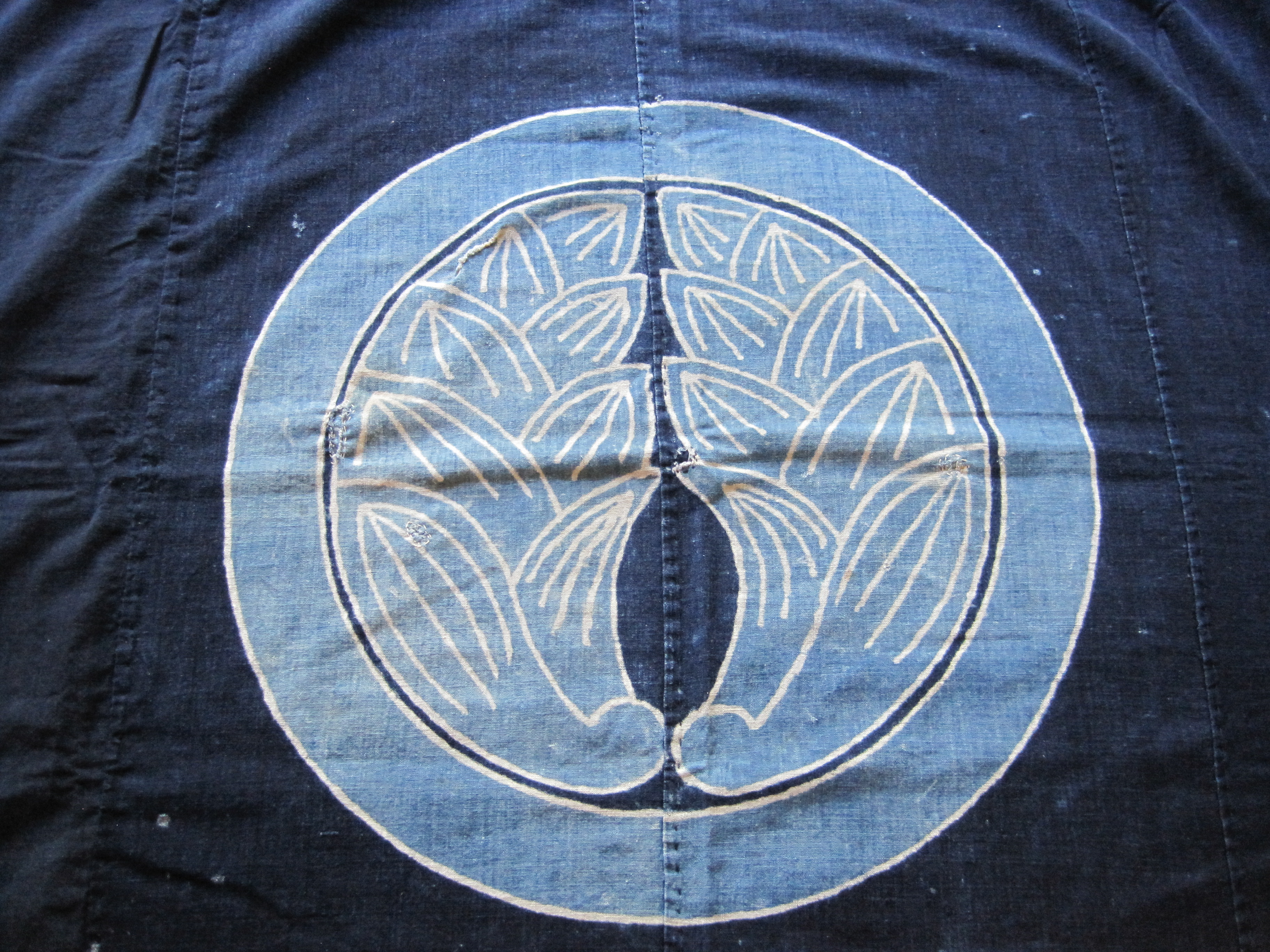

This furoshiki also has some beautiful repairs. there are several mended holes within the kamon itself, but one of the most beautiful is located at the center bottom of the furoshiki. This indigo patch has been applied with indigo dyed thread. I love the unintended texture of this patch.

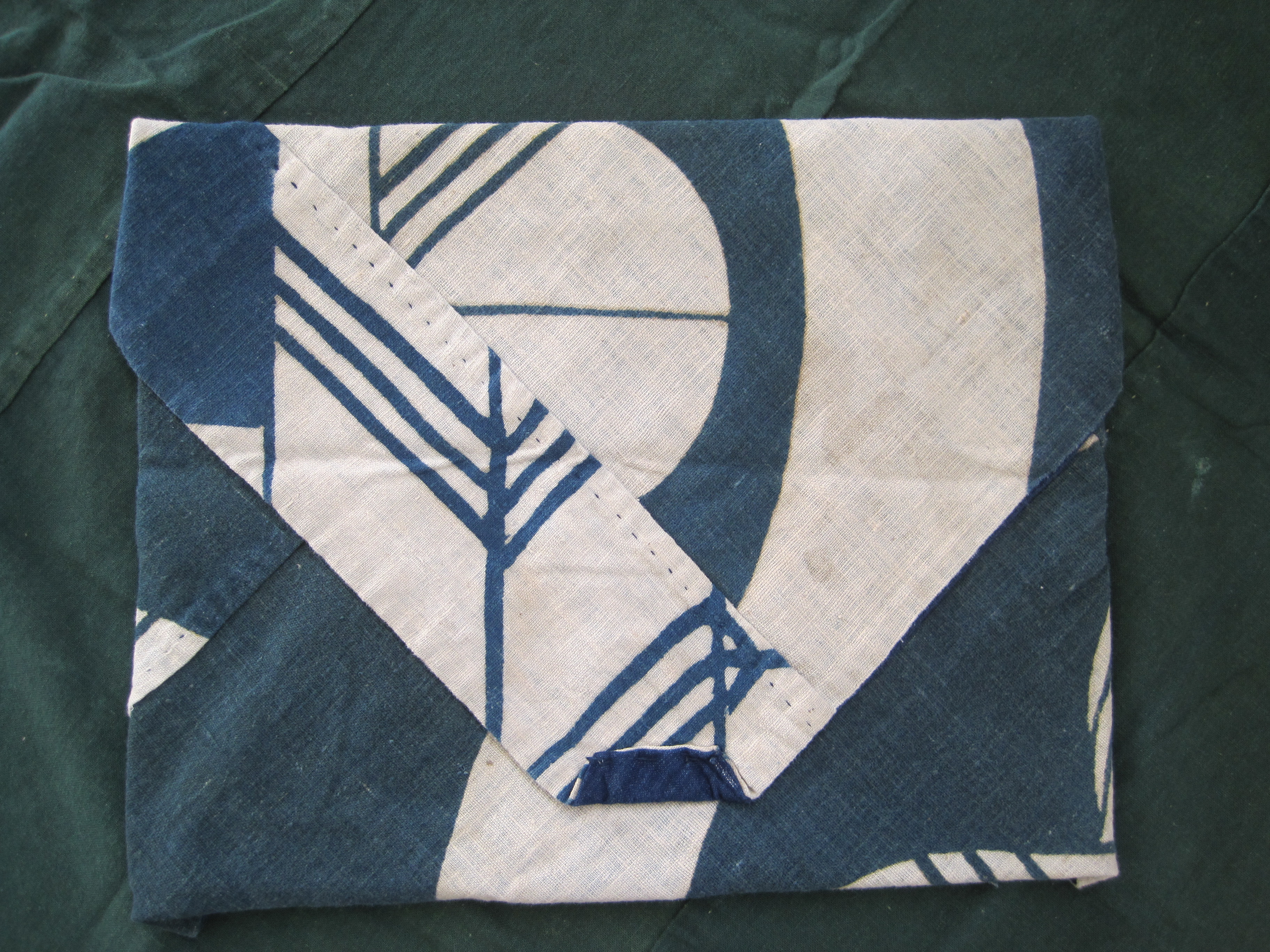
This small tsunobukuro or “horn bag” has been made from leftover fabrics. The outer over dyed indigo green fabric once displayed a family crest of crossed feathers. It was dyed using a process called tsutsugaki. The green color was achieved by being dyed with indigo first and then being over dyed with a yellow dye to create the beautiful blue green background color. The inner fabric is a beautiful deep indigo kusari or “ikat”. Both fabrics are hand spun and hand woven cotton. The outer fabric was more than likely a furoshiki or banner before it was reworked into this bag.
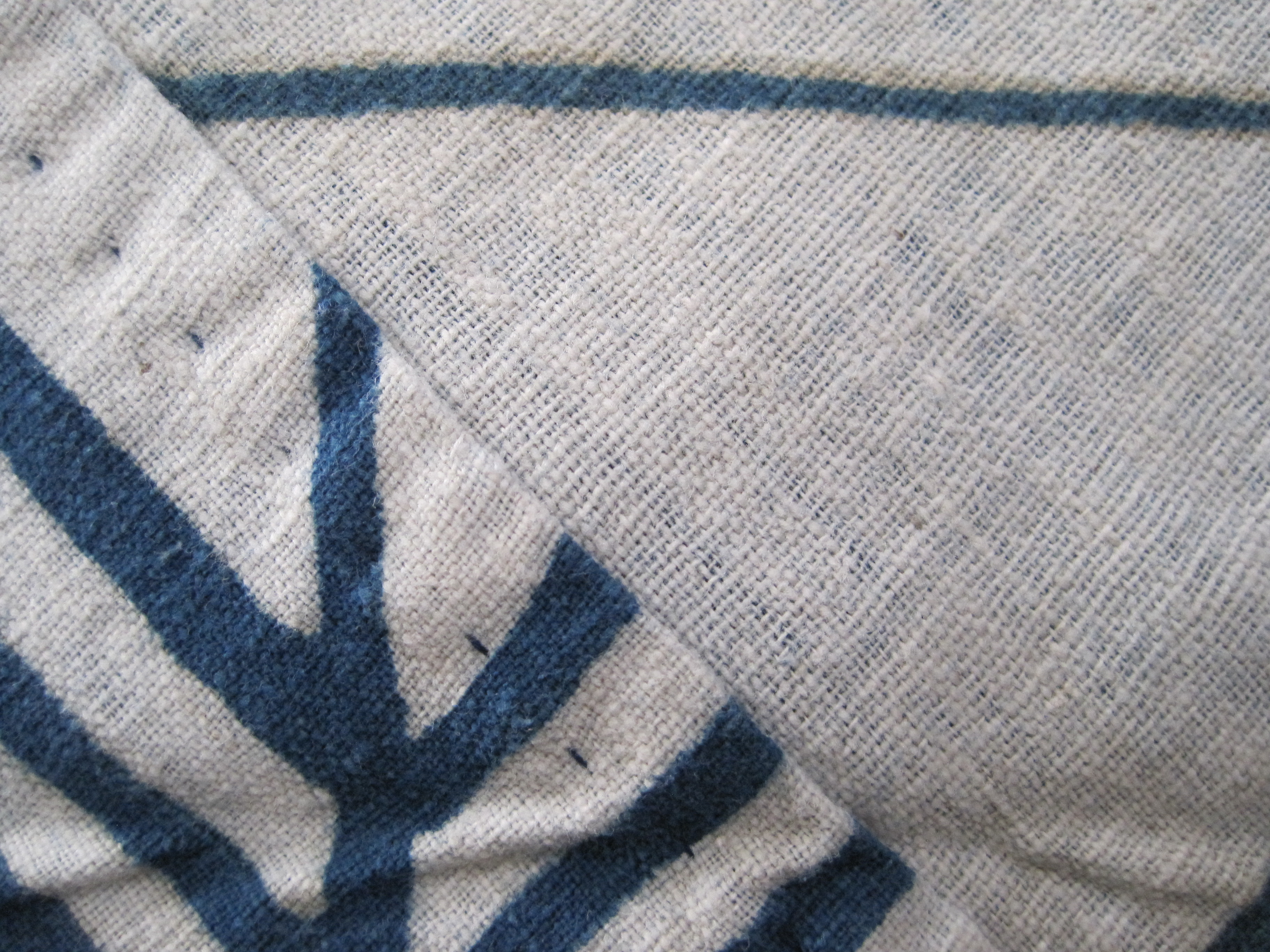
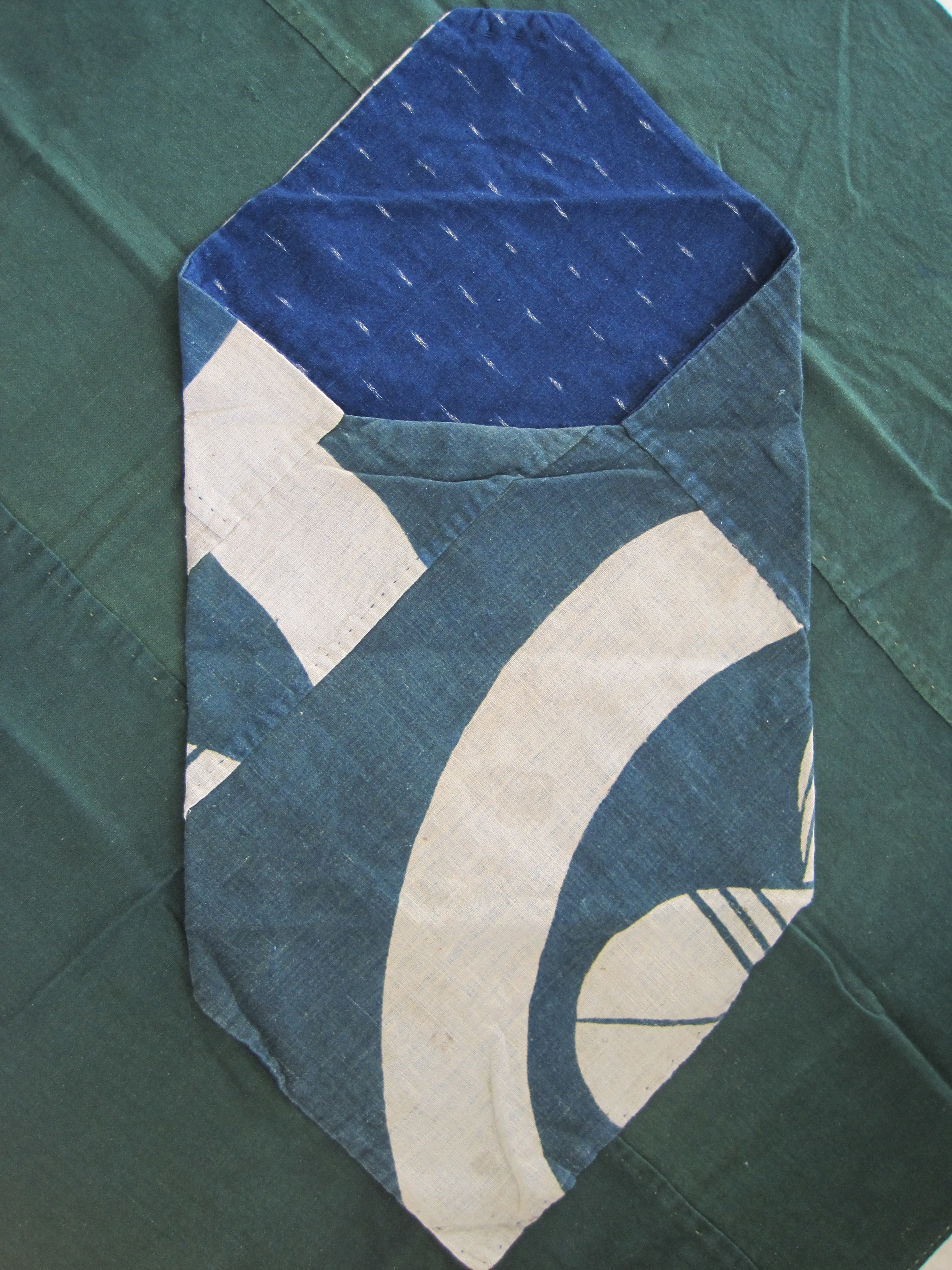
This bag was more than likely used for caring a lunch box. I love the pattern produced by the reuse of the outer fabric. This bag represents the Japanese value of mottainai or “nothing wasted.” This item can be purchased at: https://www.etsy.com/listing/115393181/antique-japanese-indigogreen-boro-cotton?ref=shop_home_feat
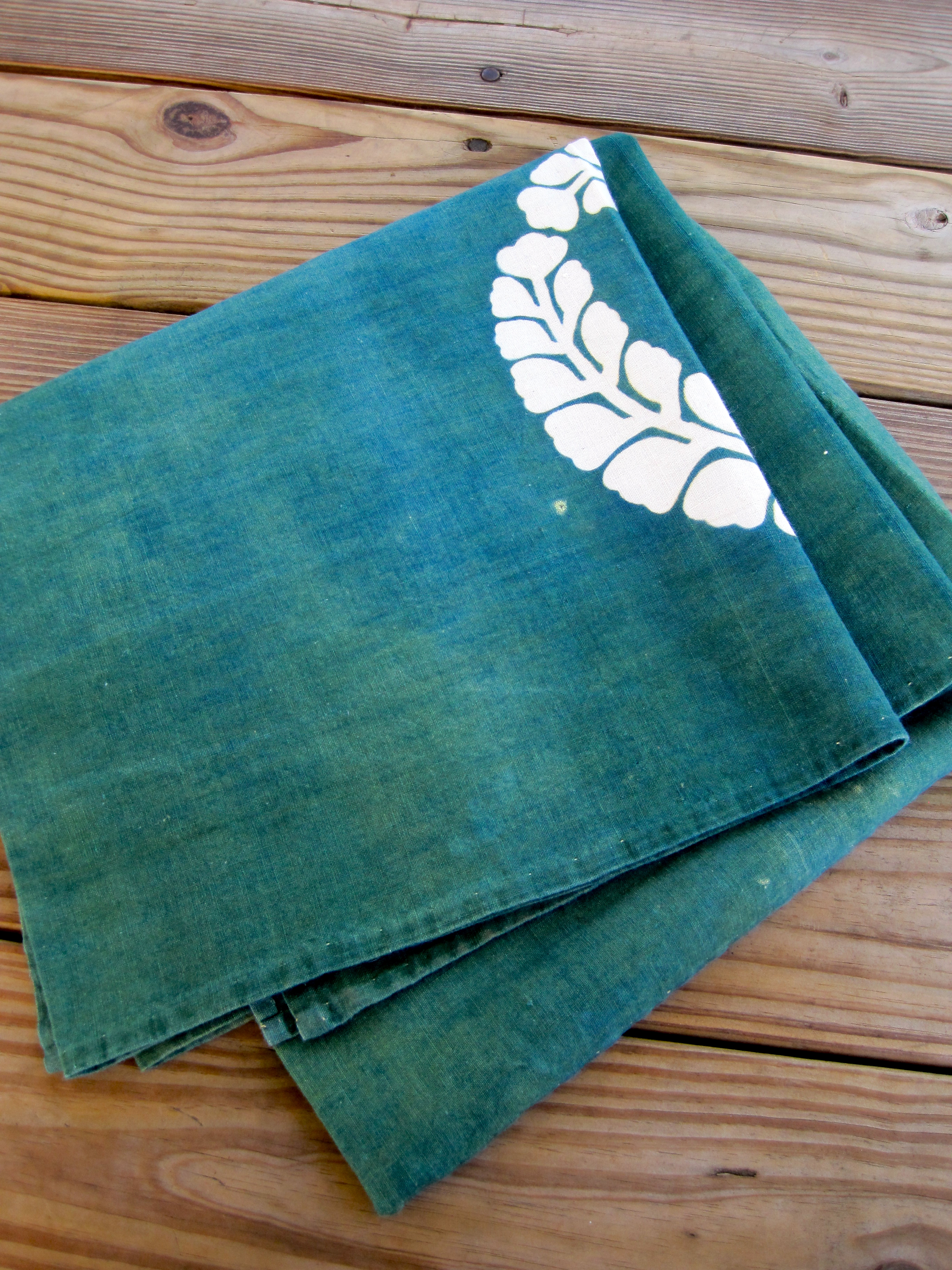 This green hand spun and hand woven furoshiki or carrying cloth was dyed with indigo and then over dyed with a yellow dye to produce a deep green color. Time and use have given this furoshiki a beautiful gradation of colors and a random ware pattern.
The hand spun cotton has a rustic feel. 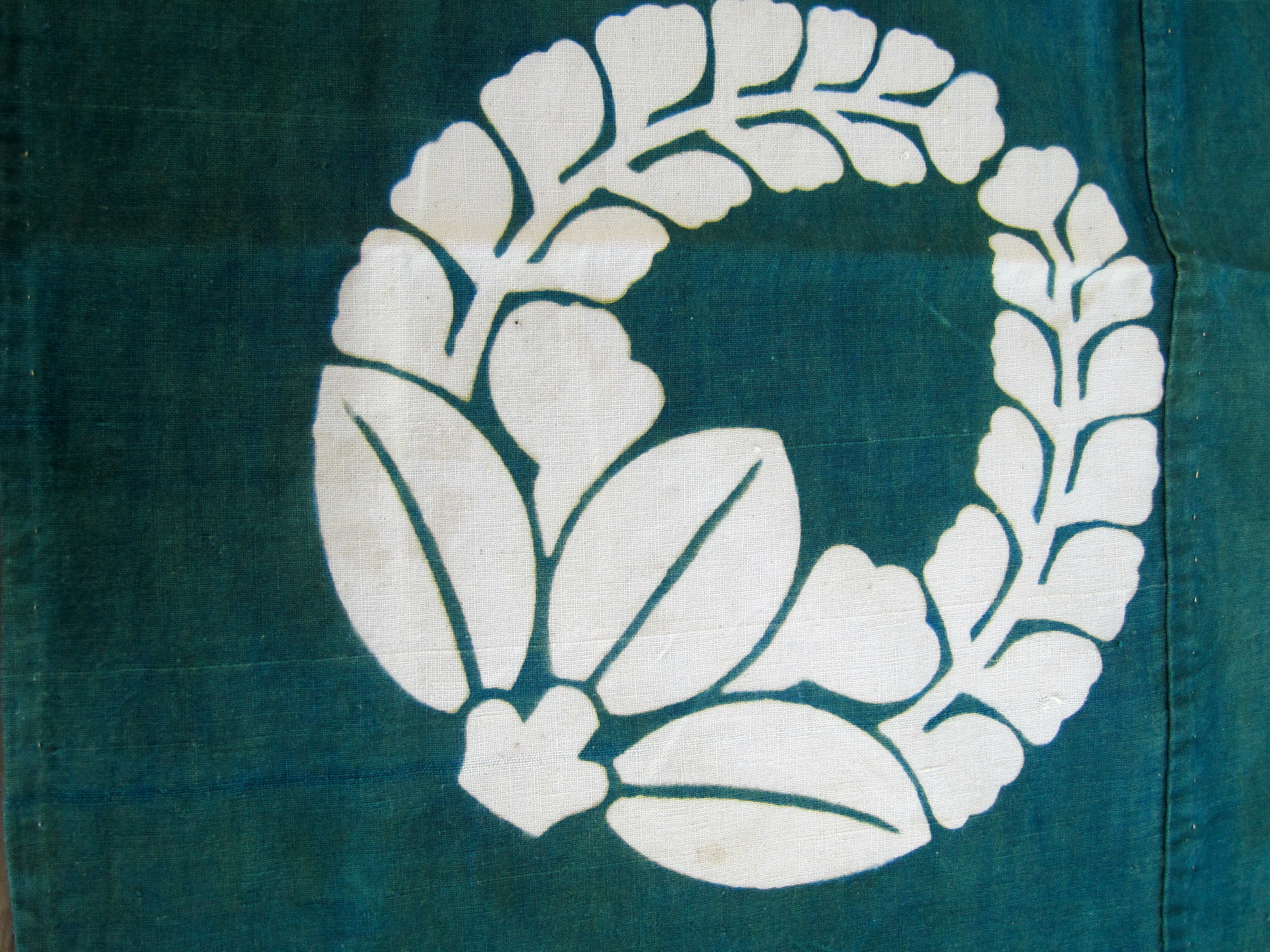
A wisteria kamon or crest has been applied to the furoshiki using a stencil. Rice paste was pushed through a stencil and allowed to dry before the fabric was dyed. After dying was completed the rice paste was washed off to reveal the design. 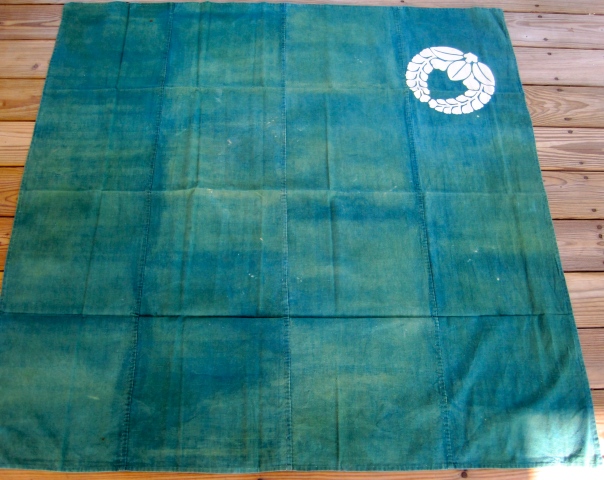 This piece probably dates to the first half of the 20th century.

 Nathan Somers Textiles